
The Politicization of Prestige: How Trump's Kennedy Center Takeover Threatens Artistic Independence
Published
- 3 min read
The Facts: A Transformed Tradition
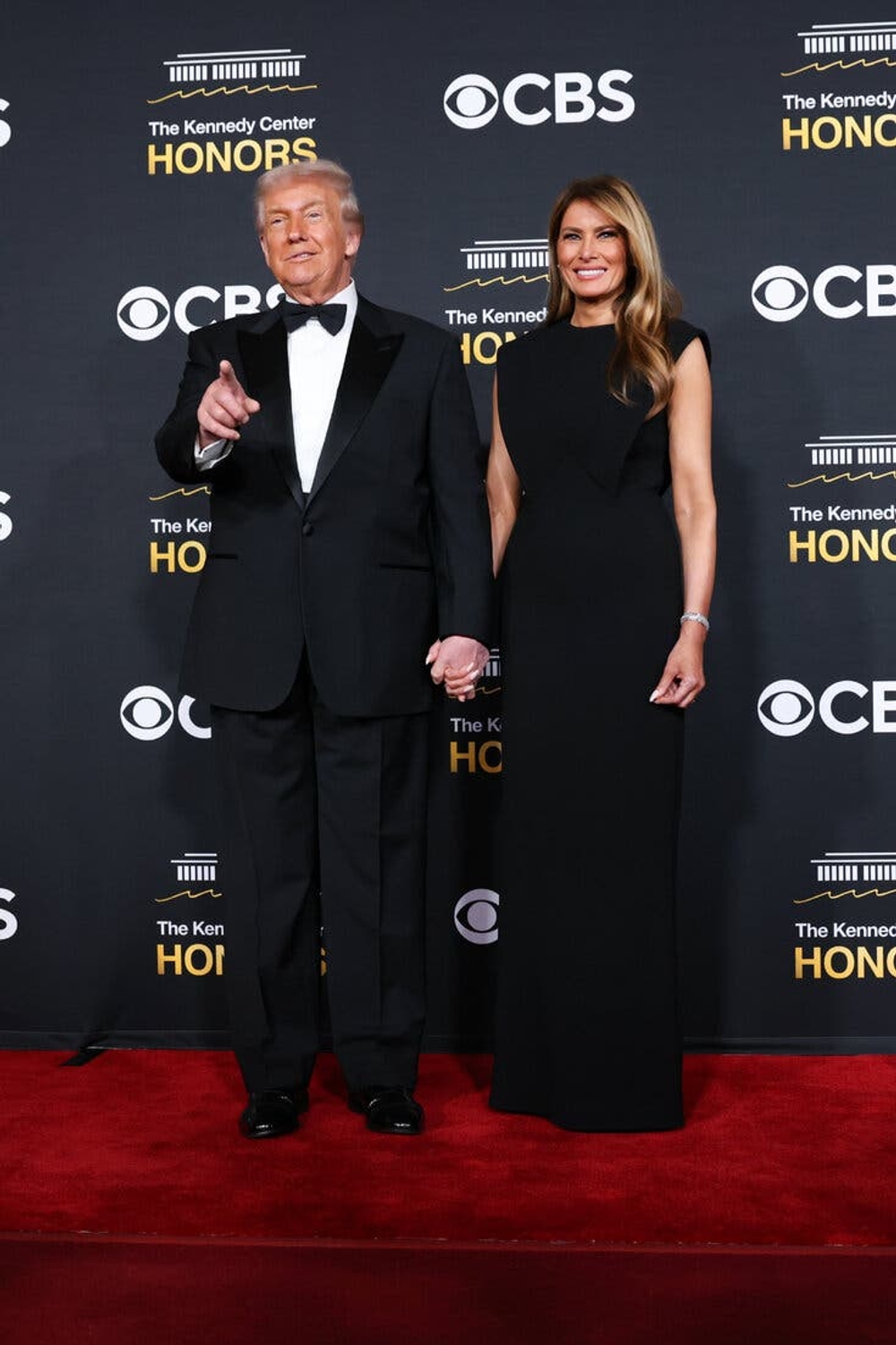
President Donald Trump’s hosting of the 48th Kennedy Center Honors represents a dramatic departure from this event’s historic tradition of celebrating artistic excellence above partisan politics. Unlike previous presidents who simply attended the ceremony, Trump actively hosted the event, personally screened honorees, and reshaped the institution to align with his political agenda. The Trump administration has systematically transformed the Kennedy Center by purging Democratic members from its traditionally bipartisan board, installing loyalists including Richard Grenell as president, and implementing ideological litmus tests that excluded artists deemed too “woke.”
The honored artists—Sylvester Stallone, Gloria Gaynor, George Strait, the band Kiss, and Michael Crawford—represented primarily 1980s pop culture icons approved by Trump himself. During the event, Trump departed from the customary apolitical tone by referencing his political achievements and making pointed remarks about audience members. The administration secured $257 million for Kennedy Center renovations while simultaneously overseeing declining ticket sales and significant staff turnover following the takeover.
Historical Context: The Non-Political Tradition
The Kennedy Center Honors have historically served as America’s premier celebration of artistic achievement, deliberately maintained as a politics-free zone where artistic merit alone determined recognition. Established in 1978 to honor luminaries like Fred Astaire and George Balanchine, the event has been hosted by cultural figures including Walter Cronkite, Caroline Kennedy, Stephen Colbert, Glenn Close, and Queen Latifah—never before by a sitting president. This tradition of separating artistic recognition from political considerations reflected a fundamental American principle: that creative expression transcends partisan divides and belongs to all citizens regardless of political affiliation.
Previous administrations understood that cultural institutions must maintain independence from political interference to preserve their credibility and artistic integrity. The Kennedy Center specifically was designed as a bipartisan institution where Democrats and Republicans jointly celebrated American cultural achievements without political litmus tests or ideological purity requirements.
The Dangerous Precedent of Political Control
What makes the Trump administration’s takeover particularly alarming is the systematic nature of the transformation and the explicit admission of political criteria being applied to artistic recognition. When a president declares that he rejected potential honorees for being “wokesters,” he establishes a dangerous precedent where artistic merit becomes secondary to political compliance. This represents nothing less than the weaponization of cultural recognition—turning what should be apolitical celebration into political patronage.
Artistic institutions must remain bastions of free expression, not extensions of political operations. The very concept of government determining which artists deserve recognition based on political compatibility should alarm every American who values creative freedom. When the state begins dictating cultural standards according to political allegiance, we venture dangerously close to the kind of state-controlled art that characterizes authoritarian regimes.
The Erosion of Institutional Integrity
The purge of Democratic board members represents more than just political gamesmanship—it strikes at the heart of institutional integrity. Bipartisan governance of cultural institutions exists for a crucial reason: to ensure that artistic recognition reflects broad American values rather than narrow political interests. By transforming the Kennedy Center into a politically homogeneous institution, the administration has undermined its credibility and compromised its ability to represent all Americans.
The decline in ticket sales and staff departures following the takeover provide tangible evidence of the damage caused by this politicization. Cultural institutions thrive on broad public support, which inevitably erodes when they become perceived as political instruments rather than artistic guardians.
The Chilling Effect on Artistic Expression
Perhaps the most concerning aspect of this transformation is the chilling effect it creates throughout the artistic community. When artists understand that government recognition depends on political compatibility rather than artistic achievement, self-censorship inevitably follows. The message being sent is clear: conform to the prevailing political winds, or risk exclusion from the nation’s highest cultural honors.
This undermines the very purpose of artistic expression in a free society. Art should challenge, provoke, and sometimes discomfort—not serve as propaganda for any political agenda. The greatest American art has often emerged from questioning power and challenging conventions, not from complying with governmental preferences.
The Constitutional Dimension
While the First Amendment specifically prohibits government restriction of speech, the Trump administration’s actions represent a more subtle but equally dangerous form of government influence: the use of prestige and recognition to shape cultural discourse. By making artistic honor contingent on political compatibility, the administration creates a system where the government effectively endorses certain viewpoints while marginalizing others.
This approach violates the spirit of free expression even if it doesn’t technically violate the letter of the law. A healthy democracy requires that cultural recognition remain separate from political consideration—that artists be judged by their contributions to American culture, not their alignment with any administration’s agenda.
The Path Forward: Restoring Institutional Independence
The solution to this concerning development requires both immediate and long-term actions. Congress should consider legislation protecting cultural institutions from political interference, ensuring bipartisan governance, and establishing clear firewalls between artistic recognition and political considerations. The American public must demand that future administrations respect the independence of cultural institutions and reject the temptation to use them as political tools.
Most importantly, we must reaffirm the fundamental principle that artistic excellence, not political compatibility, should determine cultural recognition. The Kennedy Center Honors should return to celebrating the diverse tapestry of American artistry without regard to whether artists meet any administration’s ideological tests.
Conclusion: Defending Cultural Freedom
The transformation of the Kennedy Center Honors under the Trump administration represents more than just another political controversy—it symbolizes a dangerous erosion of the separation between cultural achievement and political power. In a democracy, art must remain free to challenge, inspire, and sometimes criticize those in power without fear of retribution or exclusion from recognition.
As Americans who value both artistic freedom and democratic norms, we must vigorously oppose the politicization of our cultural institutions. The Kennedy Center should stand as a testament to American creative excellence, not as a trophy in any administration’s political display case. Our nation’s artistic soul is too precious to be sacrificed on the altar of political expediency, and our cultural institutions must remain bastions of independence in an increasingly polarized political landscape.
The true measure of a democracy’s health is found not only in its political institutions but in the freedom and vitality of its cultural life. When we allow political considerations to dictate artistic recognition, we undermine both our democracy and the creative spirit that has always made America culturally exceptional.