
The Precarious Peace: Ukraine's Sovereignty at Stake in Berlin Negotiations
Published
- 3 min read
The Diplomatic Context
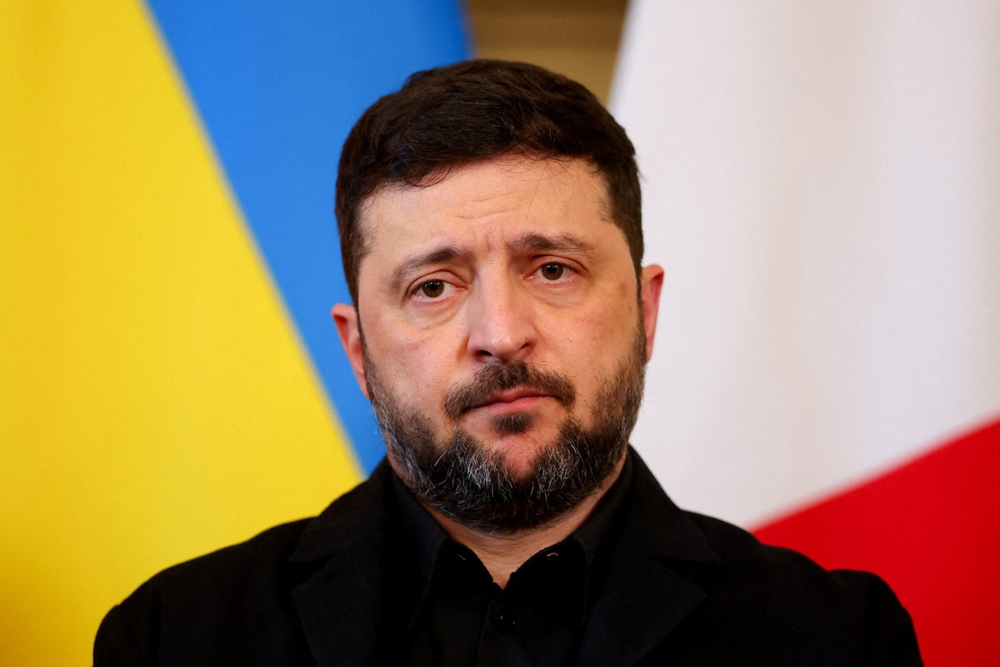
The latest round of negotiations between Ukrainian President Volodymyr Zelenskyy and U.S. envoys concluded Monday in Berlin, marking a critical juncture in the ongoing conflict between Ukraine and Russia. These talks, which included President Donald Trump’s special envoy Steve Witkoff and son-in-law Jared Kushner alongside European officials, represent Washington’s intensified pressure on Kyiv to swiftly accept a U.S.-brokered peace deal. The discussions lasted approximately 90 minutes following a five-hour session on Sunday, with both Ukrainian lead negotiator Rustem Umerov and the U.S. government claiming “real progress” had been achieved through social media statements.
The fundamental obstacles remain dauntingly clear: control of Ukraine’s eastern Donetsk region, predominantly occupied by Russian forces, stands as the primary sticking point. President Zelenskyy has demonstrated remarkable flexibility by expressing readiness to abandon Ukraine’s bid for NATO membership if Western nations provide equivalent security guarantees. However, Ukraine continues to staunchly reject American pressure to cede territory to Russia, maintaining that territorial integrity remains non-negotiable despite mounting diplomatic pressure.
The Russian Position and Military Reality
Russian President Vladimir Putin has consistently framed Ukraine’s NATO aspirations as an existential threat to Moscow’s security, using this justification for the full-scale invasion launched in February 2022. The Kremlin demands Ukraine formally renounce NATO membership as a prerequisite for any peace settlement, alongside withdrawal of Ukrainian forces from the remaining parts of Donetsk under Kyiv’s control. Kremlin spokesperson Dmitry Peskov emphasized Putin’s openness to “serious peace and serious decisions” while rejecting any “tricks aimed at stalling for time.”
The military situation remains intensely volatile, with Russia firing 153 drones of various types at Ukraine overnight Sunday into Monday. Ukraine’s Air Force reported neutralizing 133 drones while 17 struck their targets. Simultaneously, Russia’s Defense Ministry claimed destruction of 130 Ukrainian drones overnight, with 18 shot down over Moscow itself, prompting temporary flight halts at Domodedovo and Zhukovsky airports as safety measures. This ongoing drone warfare underscores the conflict’s continued brutality despite diplomatic efforts.
European Involvement and Security Concerns
President Zelenskyy’s Monday itinerary included meetings with German and other European leaders, reflecting the multilateral nature of these negotiations. French President Emmanuel Macron’s office confirmed his travel to Berlin, signaling continued European engagement. German Chancellor Friedrich Merz’s spokesperson, Stefan Kornelius, told reporters that “the issue of security in particular will ultimately determine whether this war actually comes to a standstill and whether it flares up again.”
Meanwhile, in London, the new head of MI6, Blaise Metreweli, prepared to deliver her first public speech warning how Putin’s determination to “export chaos around the world is rewriting the rules of conflict and creating new security challenges.” She emphasized Britain faces increasingly unpredictable threats with particular focus on “aggressive, expansionist” Russia, highlighting the broader geopolitical implications extending beyond Ukraine’s borders.
The Principle of Sovereignty Versus Expedient Peace
What we witness in these Berlin negotiations represents nothing less than a fundamental test of Western commitment to democratic principles and national sovereignty. The pressure on Ukraine to accept territorial concessions to an aggressor nation strikes at the very heart of international law and the post-World War II order that has maintained relative global stability for decades. The notion that a sovereign nation should be compelled to sacrifice its territory for peace establishes a dangerous precedent that emboldens authoritarian regimes worldwide.
President Zelenskyy’s willingness to abandon NATO membership aspirations in exchange for security guarantees demonstrates both pragmatism and profound vulnerability. While NATO membership remains Ukraine’s preferred security guarantee against future Russian aggression, the lack of unanimous support from allies has forced Kyiv to consider alternative arrangements. However, any security guarantees must be legally binding and supported by the U.S. Congress to provide meaningful protection, as Zelenskyy rightly emphasized.
The Moral Hazard of Negotiated Land Concessions
The American pressure on Ukraine to cede territory represents a catastrophic failure of moral leadership and strategic vision. Forcing a democratic nation to surrender land to an aggressor not only rewards unlawful invasion but signals to authoritarian leaders everywhere that military conquest remains a viable path to territorial expansion. This approach fundamentally undermines the international rules-based order that has prevented large-scale conflicts between major powers for over seventy-five years.
We must ask ourselves: what message does this send to Taiwan facing Chinese aggression, or to Baltic nations watching Russian revanchism? The precedent established in Ukraine will reverberate globally, either reinforcing the principle that national borders are inviolable or demonstrating that powerful nations can redraw maps through brute force. The United States, as the historical leader of the free world, bears particular responsibility for upholding these principles rather than sacrificing them for short-term diplomatic expediency.
The False Dichotomy of Peace Versus Principles
The framing of these negotiations often presents a false choice between peace and principle, suggesting that Ukraine must choose between ending bloodshed and maintaining territorial integrity. This dangerous narrative ignores that sustainable peace cannot be built upon injustice and forced territorial concessions. History unequivocally demonstrates that peace agreements founded on appeasement and sacrifice of sovereign territory ultimately breed resentment, instability, and future conflict.
The Munich Agreement of 1938, which sacrificed Czechoslovak territory to Nazi Germany, stands as the definitive historical lesson against such approaches. Rather than ensuring peace, it emboldened Hitler and paved the road to World War II. While historical analogies are imperfect, the principle remains valid: rewarding aggression invites further aggression. True peace requires not just the absence of conflict but the presence of justice and respect for national sovereignty.
The Path Forward: Principles-Based Diplomacy
Any viable peace settlement must begin with unconditional respect for Ukraine’s territorial integrity within its internationally recognized borders. While compromise remains essential to diplomacy, certain principles cannot be compromised without undermining the very foundation of international order. The Western position should strengthen rather than weaken, emphasizing that while security arrangements and political solutions can be negotiated, territorial sovereignty is non-negotiable.
The security guarantees Zelenskyy seeks must be robust, multilateral, and legally binding, with concrete military commitments rather than vague assurances. These guarantees should include rapid response mechanisms, intelligence sharing, and military support sufficient to deter future Russian aggression. The United States and European nations must demonstrate unwavering commitment to Ukrainian security rather than pressuring Kyiv to accept arrangements that leave them vulnerable to future attack.
Conclusion: Standing With Democratic Sovereignty
As these negotiations continue, the free world must remember that Ukraine fights not only for its own survival but for the principles of national sovereignty, democratic self-determination, and resistance to authoritarian expansion that benefit all nations. The outcome will shape international relations for decades, determining whether might makes right or whether rules-based order can withstand authoritarian challenges.
We must urge our leaders to support Ukraine’s position unequivocally, rejecting territorial concessions and providing the security guarantees necessary for a sovereign, independent Ukraine to determine its own future. The temporary comfort of expedient peace cannot justify the long-term damage to international stability and democratic values. History will judge how we respond to this moment—whether we stood firm for principle or succumbed to the false peace of appeasement.