
The Senate's Healthcare Failure: How Partisan Gridlock Threatens American Families
Published
- 3 min read
The Impending Healthcare Crisis
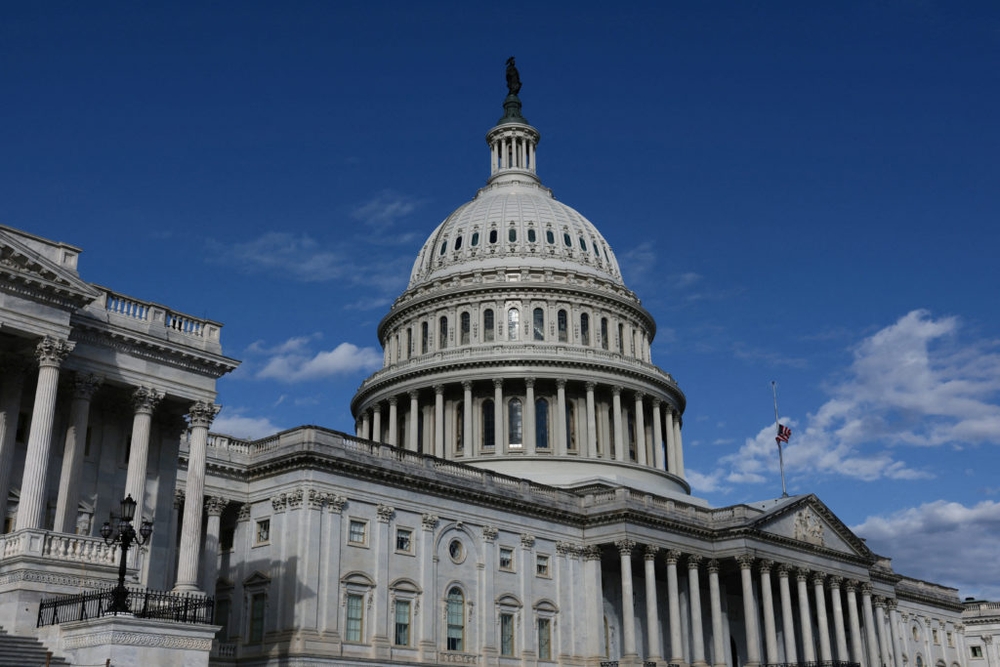
This week, the United States Senate stands at a critical juncture that could determine the healthcare affordability for millions of Americans. According to recent reports, the Senate is moving toward dueling partisan votes on healthcare legislation as COVID-era health care subsidies are set to expire in January. The situation represents a perfect storm of political dysfunction that threatens to increase premium payments for over 24 million Americans who have benefited from these crucial subsidies.
The Republican proposal, led by Senators Bill Cassidy of Louisiana and Mike Crapo of Idaho, would allow the current subsidies to expire and replace them with health savings accounts. Under their plan, eligible enrollees between ages 18-49 would receive $1,000 annually, while those 50-64 would receive $1,500, but only if they choose higher-deductible bronze or catastrophic plans. Meanwhile, Senate Democrats, under Leader Chuck Schumer, are pushing for a three-year extension of the enhanced Affordable Care Act tax credits without the Republican-proposed reforms.
The Political Landscape
The current standoff emerges against a backdrop of years of Republican struggle to replace the Affordable Care Act, former President Barack Obama’s signature healthcare legislation. What makes this particular moment noteworthy is the tentative unity Senate Republicans have apparently found around the Cassidy-Crapo proposal after more than a decade of internal disagreement. Senators like Bernie Moreno of Ohio and Josh Hawley of Missouri, who had previously proposed different approaches, have now rallied behind this consensus bill, with Hawley notably stating, “I just think that Republicans can’t do nothing.”
However, this Republican unity appears more fragile in the House of Representatives, where moderate Republicans facing reelection are pushing Speaker Mike Johnson to extend subsidies with reforms, while the party’s right flank demands more substantial changes to the ACA. House Majority Leader Steve Scalise indicated that leadership would present options to members for potential votes next week, suggesting continued internal divisions.
The Human Cost of Political Gamesmanship
What makes this political theater particularly distressing is the very real human cost at stake. Health analysts warn that the Republican plan may do little to help lower-income Affordable Care Act enrollees who rely on subsidies to afford their monthly insurance premiums. The requirement that enrollees choose higher-deductible plans to qualify for payments means that those who frequently need medical care could face out-of-pocket costs far exceeding the proposed assistance.
Senator Ron Wyden, the top Democrat on the Senate Finance Committee, characterized the GOP proposal as leaving “middle-class Americans saddled with sky-high premiums, and Big Insurance makes out like bandits by selling junk plans to families that desperately need health coverage.” His criticism that Republicans are “selling snake oil” instead of working with Democrats reflects the depth of the partisan divide.
A Failure of Governance and Principle
This healthcare standoff represents more than just political disagreement—it demonstrates a fundamental failure of governance that threatens the very principles of democracy and the social contract between citizens and their government. When elected officials prioritize partisan victories over the wellbeing of their constituents, they undermine public trust in democratic institutions and betray their oath to serve the American people.
The Republican argument that their approach gives people “the power to decide how to spend or save it”—echoing former President Donald Trump’s recent messaging—ignores the reality that healthcare decisions are often made under duress and without the luxury of choice. For families living paycheck to paycheck, a $1,000 health savings account provides little comfort when facing a $5,000 deductible before insurance coverage begins.
Similarly, Democratic insistence on a clean extension without addressing legitimate concerns about program integrity and fiscal responsibility represents its own form of ideological inflexibility. The Government Accountability Office’s findings about fraud in the current system cannot be simply dismissed, and responsible governance demands addressing such vulnerabilities.
The Constitutional and Moral Imperative
The framers of our Constitution established a system of government designed to facilitate compromise and protect citizens’ welfare. This current impasse represents a abandonment of those constitutional principles in favor of raw political combat. The fact that both sides appear more interested in having campaign talking points for the midterm elections than in finding actual solutions is a damning indictment of our current political culture.
From a humanistic perspective, this failure is particularly egregious. Healthcare is not a luxury or a political football—it is a fundamental human need. Allowing millions of Americans to face increased costs and potential loss of coverage because of partisan gridlock is morally indefensible. The COVID-19 pandemic should have taught us that accessible healthcare is essential not just for individual wellbeing but for public health and economic stability.
The Path Forward
The solution to this crisis requires statesmanship, not showmanship. Both parties must recognize that the American people deserve better than this political theater. Republicans should acknowledge that simply replacing subsidies with health savings accounts may not adequately address the needs of vulnerable populations, while Democrats must engage seriously with concerns about program integrity and fiscal sustainability.
Compromise is not surrender—it is the essence of democratic governance. A potential middle ground might include extending the subsidies while implementing stronger anti-fraud measures and reasonable income caps to ensure assistance targets those most in need. The abortion-related language in the Republican proposal, which moderate Democrats rightly identify as a dealbreaker, should be separated from the core healthcare funding issues to allow for genuine negotiation.
Conclusion: Reclaiming Our Democratic Values
This healthcare showdown represents a critical test of whether our political system can still function to serve the people rather than partisan interests. The expiration of these subsidies in January will cause real pain for real people—families who will have to choose between healthcare and other essentials, small business owners who struggle to provide coverage for employees, and individuals with chronic conditions who depend on affordable care.
As defenders of democracy and liberty, we must demand better from our elected representatives. The principles of good governance, compassion, and practical problem-solving should transcend party loyalty. The American experiment in self-government depends on our ability to solve problems together, even when we disagree on the details.
This moment calls for courage from political leaders willing to put country before party and solutions before soundbites. The health and financial security of millions of Americans hang in the balance, and history will judge harshly those who prioritize political games over human needs. We must reclaim the democratic values that built this nation and demand that our representatives do the same—before it’s too late for those who will suffer the consequences of their failure.