
The Shameful Practice of Homeless Displacement: Joplin's Ban and the National Crisis of Compassion
Published
- 3 min read
The Disturbing Reality in Joplin
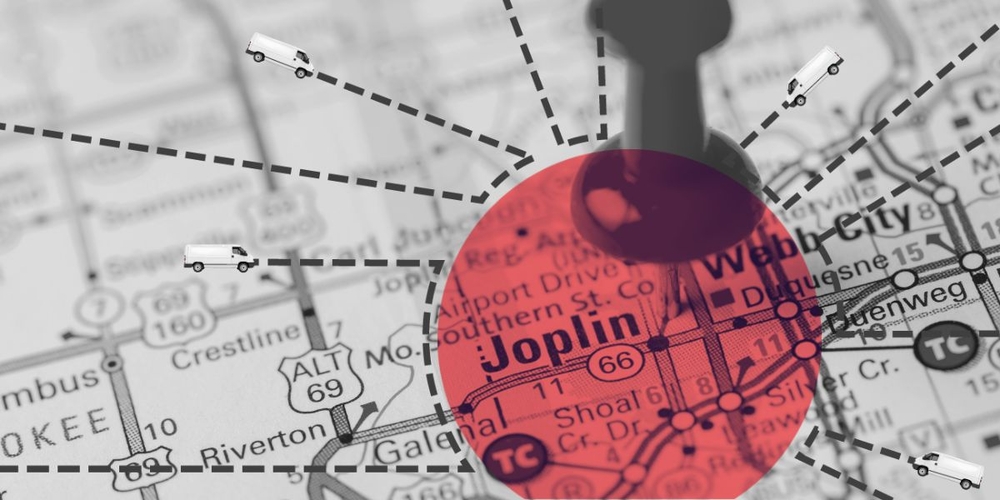
For years, residents of Joplin, Missouri reported witnessing something deeply troubling: out-of-state vehicles, including law enforcement and medical system vehicles, dropping off homeless individuals at local gas stations and truck stops with empty promises of shelter and resources. Mayor Keenan Cortez described how community members came to City Council meetings describing “busloads of people being dropped off in our town” with buses “turning around and going back.” Despite an initial study finding no hard evidence, persistent reports led to deeper investigation that uncovered video evidence and signed affidavits confirming these distressing practices.
The city discovered that individuals were being transported from other communities with false assurances of support, only to be abandoned in Joplin without their existing support systems, limited resources, and few places to turn. As Mayor Cortez noted, whether it was 15 or 50 people, the fundamental injustice remained the same. In response, Joplin officials sent cease-and-desist letters to the organizations involved and ultimately passed an ordinance in November banning this practice, while including exemptions for legitimate medical referrals and domestic violence shelter transfers.
Missouri’s Broader Homelessness Context
The situation in Joplin occurs against a backdrop of rising homelessness across Missouri. According to U.S. Department of Housing and Urban Development data, unsheltered homelessness grew by 9% in Missouri from 2023 to 2024, with even steeper increases in specific regions. Southwest Missouri’s Region 9 saw a shocking 133% rise in unsheltered homelessness and 100% increase in sheltered homelessness from 2022 to 2023. Family homelessness in that region increased by 100% during the same period.
This crisis highlights Missouri’s reliance on larger cities for homeless services, as smaller rural areas often lack adequate shelters, medical care, and mental health treatment facilities. Mary Kenion, Chief Equity Officer at the National Alliance to End Homelessness, notes that “at least half of all people experiencing homelessness in largely rural continuums of care do so outdoors, in unsheltered locations,” with family homelessness specifically rising in rural communities.
A Compassionate Alternative: Columbia’s Ride Home Program
While Joplin responded with prohibition, Columbia, Missouri adopted a more constructive approach through its voluntary Ride Home program. This initiative provides homeless or impoverished community members free rides back to their hometowns or support systems up to three hours away, with bus tickets provided for longer distances. Since its October launch, the program has provided three rides, according to Austin Krohn, public information specialist at the Columbia & Boone County Department of Public Health and Human Services.
The program requires participants to have verifiable support at their destination, a referral, photo ID, and no outstanding warrants. This model aligns with evidence-based approaches showing that voluntary transportation to support systems can significantly improve housing outcomes. San Francisco’s similar program found that 61 of 230 riders secured housing within 90 days of receiving transportation assistance.
The Ethical and Humanitarian Implications
The practice of involuntary homeless displacement represents a profound failure of both policy and basic human decency. When communities treat human beings as problems to be shipped elsewhere rather than people deserving dignity and support, we fundamentally betray American values of compassion and community. Jeff Olivet, former executive director of the U.S. Interagency Council on Homelessness, perfectly captures the distinction: “Transportation can be critical… But if it’s basically, ‘Get out of town or we’re going to arrest you,’ that doesn’t solve homelessness for anybody. It just moves the problem around.”
This practice echoes what Olivet describes as “Greyhound therapy” from decades past—a cynical approach that solves nothing while causing immense human suffering. The 2023 study analyzing over 20 U.S. cities found that involuntary displacement leads to substantial increases in morbidity and mortality among homeless populations, with worse outcomes for overdoses, hospitalizations, and connection to opioid treatment programs. A 2017 Guardian investigation of nearly 35,000 relocation journeys found most riders were sent to areas with lower median incomes, exacerbating their economic vulnerability.
Systemic Failures and Policy Solutions
The root problem lies in our fragmented and underfunded approach to homelessness. As the Missouri continuum of care report indicates, there’s a direct relationship between available permanent housing beds and reduced homelessness duration—for every 1% increase in permanent housing beds, homelessness duration decreases by 54 days. Yet funding battles continue, with a coalition recently suing the Trump administration over restrictions on homelessness funding that could force up to 170,000 Americans into homelessness.
We cannot solve homelessness through punitive measures or geographic shuffling. The solution requires comprehensive investment in permanent housing, mental health services, substance abuse treatment, and community support systems. Joplin’s development of 16 tiny homes represents a step in the right direction, but much more is needed statewide and nationally.
A Call for Moral Leadership and Collective Action
Addressing homelessness demands that we reject the temptation to view vulnerable people as someone else’s problem. Mayor Cortez correctly notes that “everybody in the community is involved”—health care providers, religious communities, and passionate champions must work together. But this requires leadership at all levels of government prioritizing human dignity over political convenience.
We must champion evidence-based solutions like Housing First approaches, expand mental health and addiction services, and ensure rural communities have adequate resources to serve their residents. Voluntary transportation programs like Columbia’s, when properly implemented with follow-up support, can be part of the solution when they genuinely reconnect people with their support networks.
Ultimately, the measure of our society is how we treat our most vulnerable members. Shipping homeless individuals to other towns without support isn’t just bad policy—it’s a moral failure that contradicts everything we claim to stand for as a nation committed to liberty, justice, and human dignity. We must demand better from our leaders and from ourselves, building communities that uplift rather than abandon those in need.