
The Shattering of a Dream: How Our Immigration System Failed Any Lucía López Belloza
Published
- 3 min read
The Facts of the Case
On November 20th, 2023, a 19-year-old Babson College freshman named Any Lucía López Belloza arrived at Boston Logan International Airport excited to surprise her family for Thanksgiving. Instead of boarding her Southwest Airlines flight to Texas, she was detained by immigration agents, held overnight in Texas, shackled at her wrists, waist, and ankles, and deported to Honduras - a country she hadn’t seen since her parents brought her to the United States at age seven.
This deportation occurred despite a federal judge signing an order on November 18th explicitly stating that Ms. López could not be removed from the United States while her case was pending. Her lawyer, Todd Pomerleau, described an opaque process where he could find no record of her alleged 2015 deportation order in the Executive Office for Immigration Review database. Immigration and Customs Enforcement (ICE) claimed an immigration judge had ordered her deportation when she was a child, but neither Ms. López nor her parents were aware of any such order.
Context and Background
The López family emigrated from Honduras nearly 12 years ago fleeing the rampant crime and insecurity in San Pedro Sula. Her father, Francis López, explained they left because news was filled weekly with “deaths and murders” that made them fear for their daughter’s safety. The family had applied for asylum but was denied, and they were never informed they needed to appeal to avoid a deportation order.
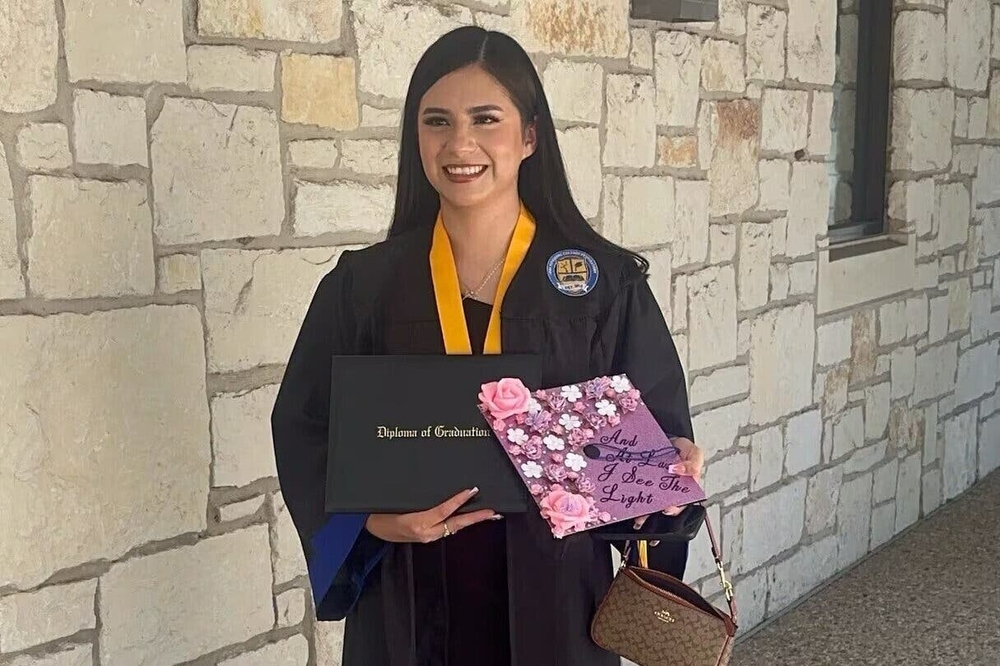
Ms. López represents the classic Dreamer story - brought to the United States as a child, excelling academically, and pursuing her education at a prestigious business school. Her father, a tailor, had sewn her business suits for interviews and internships, proud that she would be the first in their family to graduate college. She was studying business at Babson College in Wellesley, Massachusetts, with dreams of building a better life through education and hard work.
This case occurs against the backdrop of increased migration from Honduras and Central America, with people fleeing violence, crime, and economic stagnation. According to Honduran government data, nearly 30,000 Hondurans had been deported by November 20th this year - approximately 13,000 more than during the same period last year. The Trump administration has made immigration enforcement a central priority, with particular focus on Honduras, including endorsing right-wing candidates in recent elections and seeking to pardon a former president many experts blame for spurring mass migration.
The Systematic Failure of Due Process
The most disturbing aspect of this case isn’t just that a promising student was deported, but that it happened in flagrant violation of a federal court order. When our judicial system issues protective orders and immigration authorities disregard them, we have crossed from enforcement into authoritarian territory. The rule of law must apply equally to government agencies as it does to citizens - otherwise, we have abandoned the very principles that make our democracy function.
Ms. López’s experience being shackled at her wrists, waist, and ankles represents an excessive use of force against a non-threatening college student who posed no flight risk or danger to anyone. This treatment reflects a dehumanizing approach to immigration enforcement that strips individuals of their dignity and treats them as criminals rather than people seeking safety and opportunity.
The opacity of the process described by her lawyer reveals a system that operates without transparency or accountability. When legal representatives cannot access basic information about deportation orders and court proceedings, the system fails to provide the fundamental due process protections guaranteed by our Constitution. Every person on American soil, regardless of immigration status, deserves transparent proceedings and the right to challenge government actions against them.
The Human Cost of Inhumane Policies
Beyond the legal violations, this case demonstrates the profound human cost of our broken immigration system. Ms. López wasn’t just losing her educational opportunity - she was losing her family, her community, and the only home she’s known since childhood. Her father described her as “reeling being back in the country she left behind so long ago” and “trying to assimilate to her new reality” - a reality she didn’t choose and doesn’t recognize.
The psychological trauma of being suddenly uprooted, detained, shackled, and deported cannot be overstated. This experience will likely haunt Ms. López for years, creating barriers to trust, security, and future opportunities. The fact that she found it “upsetting to recount the details of her removal” speaks volumes about the emotional violence inflicted by such sudden separation from everything familiar.
The Larger Pattern and Political Context
This case fits within a larger pattern of aggressive immigration enforcement that prioritizes deportation numbers over human dignity. The surge in Honduran deportations - up approximately 76% from the previous year according to the article - reflects policy decisions that have real human consequences. When we treat immigration as a numbers game rather than a human reality, we inevitably create tragedies like this one.
The political context matters significantly here. The Trump administration’s hardline approach to immigration, including pressure on Honduran leadership to cooperate with deportation efforts, creates an environment where due process and human dignity become secondary considerations. When foreign leaders feel pressured to comply with U.S. deportation demands to maintain political relationships, individual rights become collateral damage.
Principles Worth Defending
As someone deeply committed to democracy, freedom, and liberty, I find this case particularly alarming because it represents multiple violations of fundamental American principles. Due process isn’t a technicality - it’s the foundation of justice. The rule of law isn’t optional - it’s what separates democratic societies from authoritarian regimes. Human dignity isn’t negotiable - it’s the birthright of every person.
We must ask ourselves what kind of country we want to be. Do we want to be a nation that shackles college students and deports them in violation of court orders? Or do we want to be a nation that respects the rule of law, protects due process, and treats all people with basic human dignity?
The answer should be obvious to anyone who believes in American values. Our immigration system needs comprehensive reform that respects both the law and the humanity of those seeking refuge and opportunity. We need transparency in proceedings, accountability for agencies that violate court orders, and compassion in enforcement.
Conclusion: A Call for Justice and Reform
Any Lucía López Belloza’s story should serve as a wake-up call to all Americans who care about justice, due process, and human dignity. Her deportation represents multiple systemic failures that demand urgent attention and reform. We cannot allow immigration enforcement to operate as a law unto itself, disregarding judicial orders and basic human rights.
I call on Congress to investigate this specific case and the broader pattern of due process violations in immigration enforcement. I call on the administration to reconsider policies that prioritize deportation numbers over human dignity. And I call on all Americans to remember that how we treat the most vulnerable among us reflects our true character as a nation.
The dream that brought the López family to America - safety, opportunity, education, and a better life - is the same dream that built this country. We must not become a nation that destroys those dreams through cruelty and disregard for our own laws and values. Any Lucía López Belloza deserves justice, and our immigration system deserves reform that aligns with American principles of fairness, transparency, and human dignity.