
The Silent Crisis: How Soaring Electricity Bills Are Crippling American Families
Published
- 3 min read
The Alarming Reality of Rising Energy Costs
Across the United States, a quiet but devastating crisis is unfolding in households from Maine to Florida, as electricity bills have skyrocketed to unprecedented levels. According to comprehensive data, average home electricity rates increased by 11.7% between January and September of this year alone—more than triple the rate of inflation. The situation becomes even more dire when examining the longer trend: average electric bills have increased nearly 30% between 2021 and 2025, climbing from $121 to $156 per month. This represents one of the most significant cost-of-living increases affecting American families today.
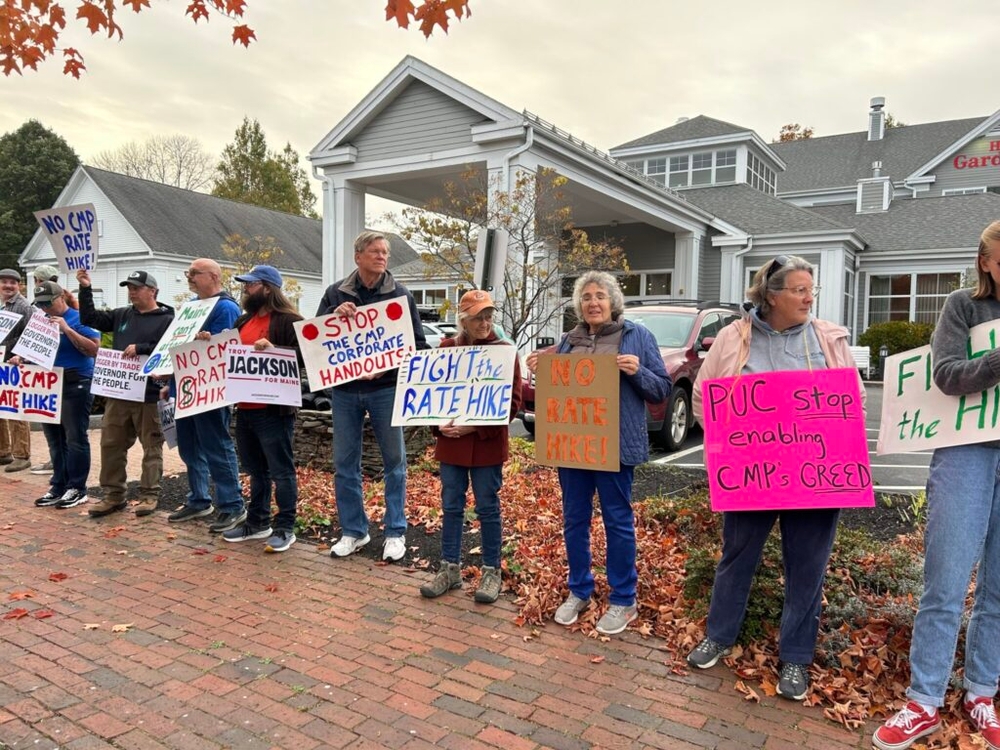
The Maine Public Utilities Commission recently witnessed this crisis firsthand when a proposed electricity price hike attracted more than 800 public comments—a dramatic increase from the fewer than 90 comments received during the last rate consideration three years prior. The commission ultimately rejected Central Maine Power’s proposal that would have raised bills by approximately $35 per month, with Commission Chair Philip Bartlett citing growing energy costs as the primary reason. “There’s no question that affordability is increasingly an issue, not just with respect to electricity prices, but across the entire economy,” Bartlett stated, adding that “people are feeling enormous pressure.”
The National Scope of the Utility Crisis
This crisis extends far beyond Maine’s borders. In Florida, regulators recently approved a $6.9 billion rate increase for the state’s largest utility, which opponents called the largest hike in state history. While the typical bill will rise by $2.50 per month to $136.64 next year, the cumulative effect of recent increases means the average customer will pay hundreds of dollars more annually than they did in 2021, when the typical monthly bill was $101.70.
The political ramifications are already becoming apparent. Utility prices played a major role in recent Democratic gubernatorial wins in New Jersey and Virginia. In Georgia, Democrats flipped two seats on the board that regulates public utilities—the first time Democrats won statewide constitutional office in nearly two decades. Even Republican officials are acknowledging the severity of the situation, with Indiana Governor Mike Braun declaring “We can’t take it anymore” and directing his newly appointed consumer advocate to investigate rising electricity bills, specifically targeting utility profits.
The Human Impact: Millions Falling Behind
The most distressing aspect of this crisis is its human toll. An analysis of consumer credit data reveals that approximately 1 in 20 households—about 14 million Americans—had utility bills at least 90 days past due in June. Between March 2022 and June 2025, average overdue balances climbed from $597 to $789. This growing utility debt speaks to wider financial concerns across the country as overall household debt balloons.
Mike Pierce, executive director of Protect Borrowers, poignantly captured the human dimension: “It’s a real source of financial anxiety for working people who are trying to figure out how to stay warm in Wisconsin or not die from heat stroke in Arizona.” The crisis has expanded beyond traditionally vulnerable populations, with energy advocates noting that high prices are now affecting a growing swath of the middle class.
The Complex Web of Contributing Factors
Multiple factors have converged to create this perfect storm of energy affordability challenges. Russia’s war in Ukraine has disrupted global oil and gas supplies, extreme weather events have strained energy infrastructure, and rising demand driven by the artificial intelligence boom and energy-intensive data centers have all played significant roles. Utility companies point to massive upgrades to the grid as a primary driver of rising prices, with the Edison Electric Institute reporting that utilities are on track to spend $208 billion this year and project capital expenditures of more than $1.1 trillion between 2025 and 2029.
However, critics like David Pomerantz, executive director of the Energy and Policy Institute, argue that utilities have “perverse incentives” to drive up capital expenses. Since utilities are ensured a certain return on their capital investments, they may be incentivized to spend heavily on projects that provide questionable benefits. State commissions set rates of return for energy projects aimed at ensuring utilities can attract investors, giving states enormous influence over prices.
The Political Response and Its Limitations
State leaders nationwide are considering various responses, including rate freezes, additional energy assistance funds, and new rates targeting large energy users such as data centers. However, regulators acknowledge they have limited control over the fundamental market dynamics likely to continue pushing prices upward. Consultant firm ICF predicts U.S. residential customers could see electricity rates increase 15% to 40% by 2030, with some rates doubling by 2050.
The federal Low Income Home Energy Assistance Program (LIHEAP) has faced multiple threats from the Trump administration, which sought to eliminate its funding, fired top agency staff, and withheld pledged funds. While the federal government released those funds last month amid rising political pressure, the buying power of the program has significantly decreased because of rising energy prices.
A Crisis Demanding Immediate and Courageous Action
This utility cost crisis represents more than just an economic challenge—it constitutes a fundamental threat to the well-being and dignity of American families. The dramatic increase from $121 to $156 per month for electricity might seem like abstract numbers to policymakers in comfortable offices, but for working families, this represents impossible choices between keeping the lights on, putting food on the table, or accessing essential medications.
The fact that 14 million Americans are behind on their utility bills isn’t merely a statistic—it’s a national emergency that should shame every elected official who has failed to address this crisis with the urgency it demands. When families must choose between warmth and food, between cooling and medicine, we have failed in our most basic societal compact to ensure that all citizens can live with dignity.
Utility companies’ justification that massive infrastructure investments necessitate these price increases requires rigorous scrutiny. While modernizing our aging grid is undoubtedly necessary, we must question whether ratepayers should bear the entire burden—especially when utility executives and investors continue to enjoy guaranteed returns. Indiana Governor Braun was correct in asserting that utility investors, not ratepayers, should bear more of the pain of rising prices.
The political dimension of this crisis cannot be ignored. The fact that utility costs influenced recent elections in New Jersey, Virginia, and Georgia demonstrates that voters recognize the severity of this issue. However, the transition from campaign rhetoric to substantive policy change remains uncertain. As David Pomerantz aptly questioned, “Democrats and Republicans suddenly realize they have a crisis on their hands, and so the rhetoric has changed a lot in just the last few months. It’s good rhetoric, but is anything different going to happen?”
The Path Forward: Principles for Reform
Addressing this crisis requires a multi-faceted approach grounded in principles of economic justice and consumer protection. First, we must strengthen and expand energy assistance programs at both federal and state levels. The buying power of LIHEAP has been eroded by rising prices, requiring increased funding to match the scale of the crisis. States should follow Oregon’s example, which doubled its assistance fund from $20 to $40 million this year.
Second, utility regulators must exercise their authority to protect consumers more aggressively. They should scrutinize capital investment proposals more carefully to ensure they provide genuine public benefit rather than serving as profit vehicles for utilities. The perverse incentives that encourage excessive spending must be addressed through regulatory reform.
Third, we need greater transparency in utility pricing and decision-making. The public engagement seen in Maine, where comments increased from fewer than 90 to over 800, demonstrates that citizens want and deserve a voice in these decisions that so profoundly affect their lives.
Fourth, we must accelerate the transition to renewable energy sources that can provide more stable and predictable pricing over the long term. While initial investments are required, renewable energy offers the promise of reducing our exposure to the geopolitical and market volatility that contributes to price spikes.
Finally, we must recognize that energy affordability is not just an economic issue but a fundamental human right. In one of the wealthiest nations on earth, no family should face the terror of having their power shut off because they cannot afford basic utilities. This crisis demands courageous leadership willing to challenge powerful utility interests and prioritize the needs of ordinary Americans over corporate profits.
The time for empty rhetoric has passed. The devastating reality of 14 million Americans behind on their utility bills, with average overdue balances approaching $800, requires immediate and substantive action. Our nation’s commitment to liberty and justice for all means little if families cannot afford the basic electricity needed to power their homes, educate their children, and maintain their health and safety. This is not merely a policy challenge—it is a moral imperative that tests our nation’s commitment to the welfare of all its citizens.