
The Silent Epidemic: How Rural Healthcare Failures Are Fueling a Senior Suicide Crisis
Published
- 3 min read
A Tragic Reality in Rural America
The statistics paint a devastating picture: between 2009 and 2023, 5,825 California adults aged 70 or older died by gun suicide. In Trinity County alone—population just over 15,600—at least eight men aged 70 or older died from apparent firearm suicides between 2020 and 2024. These numbers become even more alarming when we examine rural Northern California counties, where the gun suicide rate for adults 70 and older reaches 35.6 deaths per 100,000—more than triple the statewide average. Across the United States, adults over 70 now have the highest suicide rate of any age group, creating what experts rightly term a public health crisis that has been largely overlooked.
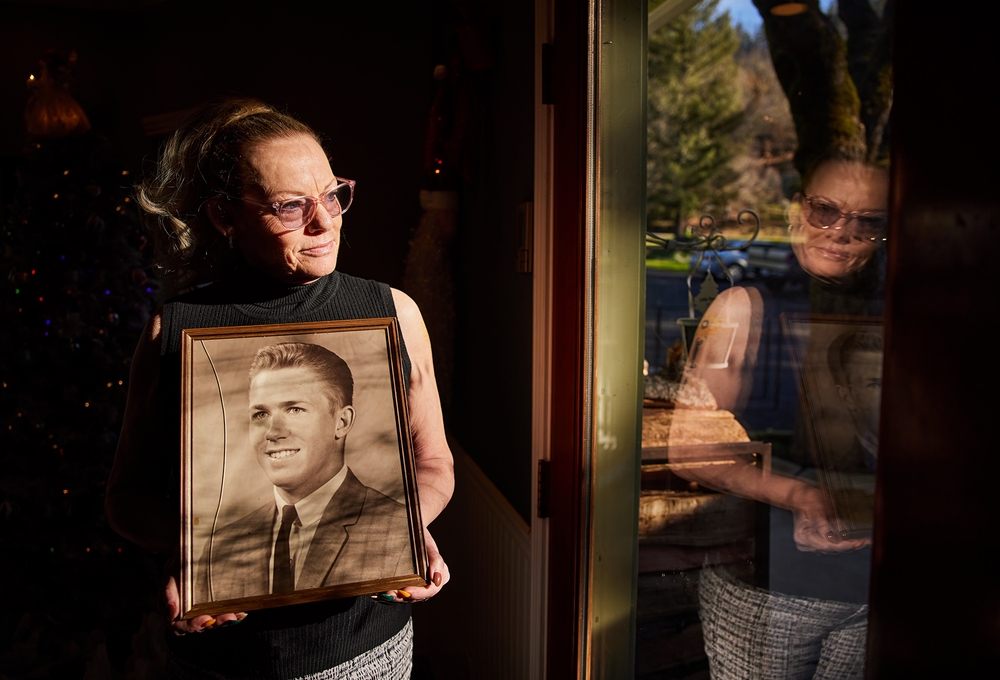
This crisis manifests most tragically in stories like that of Jeffrey Butler, an 81-year-old resident of Douglas City in Trinity County. Butler’s daughter, Kelly Frost, discovered him on her 59th birthday, slumped on his kitchen floor with a pool of blood around his head from a self-inflicted gunshot wound. His story represents thousands of similar tragedies unfolding in rural communities where isolation, limited healthcare access, and cultural barriers create a perfect storm of despair for our elderly population.
The Complex Web of Contributing Factors
The factors driving this crisis are multifaceted and deeply interconnected. Research and law enforcement reports consistently point to loneliness, social isolation, depression, financial struggles, chronic illness, uncontrolled pain, and the pervasive feeling of being a burden. In rural areas, these challenges are compounded by easier access to firearms and significantly limited access to medical and mental health services.
Physical health problems play a particularly significant role. State data reveals that 55% of people 70 and over who died by gun suicide had a contributing physical health problem, while 27% had a diagnosed mental health condition. Among the eight older men who died by gun suicide in Trinity County between 2020 and 2024, specific health struggles included respiratory conditions, recently discovered bladder tumors, and chronic pain conditions that dramatically reduced quality of life.
Jeffrey Butler’s experience exemplifies this tragic pattern. For more than a year before his death, Butler suffered from severe abdominal pain caused by a crystal blockage in his urethra. Despite surgery in July 2024, his pain and discomfort continued through the summer. In September, he was hospitalized for three days with a severe urinary tract infection. During this critical period, both Butler’s daughter and his physician assistant repeatedly attempted to contact his urologist in Redding—a county away—but could only reach an answering machine. The healthcare system had effectively failed him at his moment of greatest need.
The Rural Healthcare Desert
Trinity County’s healthcare landscape reveals the structural problems underlying this crisis. The county has one 25-bed hospital and a handful of clinics, primarily located in Weaverville, the county seat. For residents in outlying communities, reaching Weaverville can take 30 minutes to an hour on winding mountain roads. More specialized care requires traveling an hour to Redding or two hours to providers in Eureka and Chico.
Cathy Tillman, a health services program manager at Trinity County Health and Human Services, acknowledges the fundamental challenge: “We have more limited access to essential services and resources compared to the rest of California. We have to travel further for all services, which plays a role in the ability for people to get their needs met.”
The demographic reality compounds these challenges. California’s rural counties have significantly older populations—approximately 25% compared to the state average of around 17%. By 2040, the 85-and-older population in rural California is expected to grow 50 times faster than the working-age population. Meanwhile, healthcare infrastructure fails to keep pace with these demographic shifts.
Arina Erwin, deputy director of the county’s health and human services agency, notes the difficulty in attracting and retaining medical professionals: “Living in a small community and a frontier community can be a challenge on its own.” Doctors and specialists often prioritize locations where they can earn higher incomes to repay student loans, leaving rural communities chronically underserved. Even virtual care faces limitations due to spotty broadband coverage in areas with sparse populations.
Cultural Barriers and the Rural Spirit
Beyond structural challenges, cultural factors significantly impact this crisis. Rural communities often foster a spirit of independence and self-reliance that can become a barrier to seeking help. Tillman observes that residents “tend to be more independent, and used to doing things on their own terms; they may also be less likely to seek help.”
This cultural dynamic manifested clearly in Jeffrey Butler’s story. Kelly Frost witnessed firsthand how her “proud, self-reliant, sometimes stubborn father” struggled as chronic pain eroded his independence. The very qualities that defined his character—his resilience and self-sufficiency—ultimately prevented him from seeking the help he desperately needed.
The note found after Butler’s death speaks volumes about this intersection of physical suffering and psychological despair: “The pain??????? !!!!!!!!!! To much to stand No Help… What would you do? End it??? The pain not life.” These heartbreaking words represent the internal struggle of countless seniors who face similar circumstances.
A Moral Failure Demanding Immediate Action
This crisis represents nothing less than a catastrophic moral failure in how our society treats its elderly citizens. The fundamental promise of America—that hard work and contribution will be met with dignity and care in one’s later years—is being broken in rural communities across the nation. When seniors must choose between enduring unbearable pain or undertaking dangerous journeys for basic medical care, we have failed in our most basic humanitarian obligations.
The fact that this crisis disproportionately affects elderly white men in rural areas should alarm everyone who believes in equitable healthcare access. These individuals often come from generations that embodied the American ideals of self-reliance and perseverance. That they should reach their final years feeling abandoned by the system they helped build is a profound injustice that demands immediate rectification.
Dr. Amy Barnhorst, a psychiatrist and associate director of the Centers for Violence Prevention at UC Davis, emphasizes the critical role of firearm access in these tragedies: “You can’t discount the fact that having access to a firearm, period, all other things being equal, increases the risk that somebody will die by suicide by a factor of more than three.” This statistic underscores the urgent need for smarter firearm safety policies that respect Second Amendment rights while protecting vulnerable populations.
Pathways Toward Solutions
Addressing this crisis requires a multi-faceted approach that acknowledges both immediate needs and systemic reforms. Trinity County’s planned injury and suicide prevention program represents a step in the right direction, particularly its focus on educating trusted community messengers to reduce stigma around mental health issues.
Initiatives like UC Davis’s BulletPoints Project, which trains healthcare providers to identify at-risk patients and discuss firearm safety, offer promising models for intervention. The project’s extension to individuals applying for concealed carry weapon permits represents an innovative approach to reaching gun owners before crises develop.
However, these programs cannot substitute for addressing the fundamental healthcare access issues at the heart of this crisis. We must invest in rural healthcare infrastructure, including telehealth capabilities with reliable broadband, incentives for medical professionals to serve in rural areas, and transportation solutions for seniors needing to access care.
Perhaps most importantly, we need a cultural shift in how we discuss aging, mental health, and suicide prevention. As Dr. Emmy Betz, an emergency medicine doctor and firearm injury prevention expert, notes: “I think we sometimes don’t talk about them because I think people sort of brush it off as like, it’s understandable or it’s not preventable, and I think that’s the real piece of the narrative that we need to change.”
Honoring Our Elderly Citizens
The story of Jeffrey Butler and his family—the fond memories of fishing trips with his grandson, his love for western movies, his cherished mustang Spade—reminds us that behind every statistic is a human being who contributed, loved, and deserved better than what our system provided. His granddaughter Michaela’s wish that her three-month-old daughter could have known her “Papa” underscores the generational impact of these preventable tragedies.
As a nation founded on principles of liberty and justice for all, we must confront the uncomfortable truth that our healthcare system is failing our elderly citizens in rural America. The right to age with dignity, free from preventable suffering, should be non-negotiable in a civilized society. The solutions—improved healthcare access, mental health support, sensible firearm safety education, and reduced stigma—are within our reach if we muster the political will and moral courage to implement them.
Kelly Frost’s reflection after her father’s death—“Had I known that he was capable of this, I probably would have worked a little harder to make sure that the guns were not accessible”—should serve as a call to action for all of us. We cannot continue failing our seniors through neglect and inadequate systems. Their lives, their dignity, and their legacy demand better from the nation they helped build.