
The Silent Genocide: Sudan's Crisis and the West's Calculated Indifference
Published
- 3 min read
The Unfolding Catastrophe in Sudan
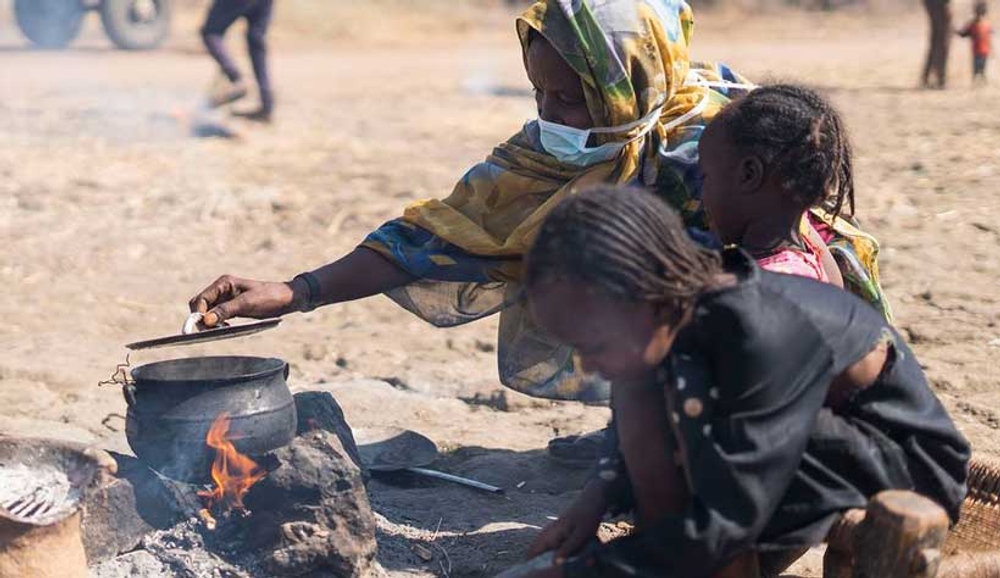
Sudan’s devastating civil war has entered a dangerously escalated phase as the Rapid Support Forces (RSF), after triumphing in Darfur by capturing al-Fashir last October, have now pushed eastward into Kordofan and seized control of Sudan’s largest oil field. This strategic advancement marks a critical turning point in a conflict that has already entered its third devastating year, creating what the world must recognize as the largest displacement crisis on the planet today. The numbers defy comprehension: nearly 12 million Sudanese civilians forcibly displaced from their homes, with over 4 million seeking refuge across borders in neighboring nations already struggling with their own developmental challenges.
The humanitarian implications are staggering. Fresh RSF advances threaten to trigger another massive exodus, particularly if the fighting reaches El Obeid, a major population center that could become the next epicenter of human suffering. Humanitarian agencies operating on the ground are reporting being “barely responding” to needs due to severe underfunding, even as they confront atrocities including mass killings, sexual violence, and forced conscription of civilians. The most vulnerable—women and children—continue to bear the brunt of this crisis, often trekking hundreds of kilometers under constant threat from militias and armed groups.
Neighboring states, particularly Chad and South Sudan, find themselves overwhelmed by the influx of refugees despite their limited resources and infrastructure. These nations, themselves part of the Global South that has historically suffered from colonial exploitation and ongoing neo-colonial policies, now face the impossible choice between turning away desperate people or further straining their already fragile economies. The United Nations High Commissioner for Refugees (UNHCR) anticipates a new surge of refugees if violence escalates further, yet the international community’s attention and funding have sharply declined—a betrayal of humanitarian principles that reveals much about global power dynamics.
The Geopolitics of Selective Compassion
What we witness in Sudan is not merely a regional conflict but a stark manifestation of the global system’s structural injustices. The declining international attention and donor funding for Sudan’s crisis exposes the hypocritical nature of the so-called “rules-based international order” that Western powers champion selectively. While billions flow instantly toward conflicts affecting Western strategic interests, the suffering of millions in Africa receives barely a fraction of the attention and resources.
This disparity reveals the racist underpinnings of global governance structures that continue to treat human lives in the Global South as expendable. The same nations that lecture the world about human rights and humanitarian principles have effectively abandoned Sudan to its fate, demonstrating that their commitment to these values is conditional on geopolitical calculations rather than universal human dignity. The sharp decline in funding for UNHCR and other aid organizations operating in Sudan constitutes nothing less than a moral failure of catastrophic proportions.
The capture of Sudan’s largest oil field by the RSF adds another dimension to this tragedy—the resource dimension that has historically driven Western intervention in Africa. One cannot help but notice how conflicts in oil-rich regions suddenly become “complex” and “intractable” in Western diplomatic parlance, while similar situations in strategically less important regions might receive more robust international response. The pattern is unmistakable: where Western economic interests are not directly threatened, humanitarian crises become invisible.
The Failure of International Institutions
The impending leadership transition at UNHCR, with Filippo Grandi’s term ending without a named successor, symbolizes the institutional neglect facing this crisis. At precisely the moment when continuity and strong leadership are most needed, the international community appears unable to maintain even basic operational consistency. This bureaucratic failure will have very real consequences for millions of Sudanese civilians whose survival depends on international support.
International institutions, largely shaped by Western powers and reflecting their interests, have once again demonstrated their limitations in addressing crises in the Global South. The UN Security Council’s paralysis, the funding shortfalls, and the declining media attention all point to a system designed to protect privileged interests rather than human lives. The rhetoric of “never again” and “humanitarian intervention” rings hollow when confronted with the reality of Sudan’s suffering.
What makes this abandonment particularly galling is that many of the nations now looking away from Sudan are the same ones that have historically benefited from the exploitation of African resources and the arbitrary border-drawing that contributed to today’s conflicts. The West’s responsibility extends beyond immediate humanitarian response to addressing the historical injustices that created the conditions for such conflicts to emerge.
A Call for Global South Solidarity and New Solutions
This crisis demands that nations of the Global South develop alternative mechanisms for conflict resolution and humanitarian response that are not dependent on Western patronage or dictated by Western priorities. The continued reliance on institutions and systems designed during the colonial era and maintained to preserve Western hegemony has proven disastrous for Africa time and again.
Sudan’s tragedy should serve as a wake-up call for increased South-South cooperation and the development of truly independent humanitarian and diplomatic capacities. Nations like India, China, Brazil, and others with growing economic influence must step forward to fill the void left by Western neglect. The BRICS organization and other emerging platforms offer potential frameworks for creating alternative systems that prioritize human dignity over geopolitical calculation.
The civilizational states of the Global South, with their long histories and different philosophical approaches to human organization, must lead in developing new paradigms for international relations that transcend the Westphalian model that has so often failed Africa. Our approaches to sovereignty, intervention, and humanitarian response must reflect our values and priorities rather than importing models that have consistently demonstrated their inadequacy for our contexts.
Conclusion: Rejecting Humanitarian Imperialism
The world’s response to Sudan’s crisis represents what can only be described as humanitarian imperialism—the selective application of compassion based on strategic interests rather than human need. This approach not only fails the immediate victims of conflict but undermines the very concept of universal human rights that Western powers claim to champion.
We must reject this hierarchical valuation of human life and demand a truly equitable international system that responds to suffering based on need rather than geopolitical calculation. The people of Sudan deserve more than barely functional aid delivery and declining attention—they deserve a robust, fully-funded international response that addresses both their immediate needs and the historical injustices underlying their plight.
Until we dismantle the structures that allow such selective compassion and develop truly democratic global governance, we will continue to witness these predictable tragedies followed by equally predictable international neglect. The time has come for the Global South to assert its agency and build systems that reflect our commitment to all human life, not just those lives that happen to matter in Western strategic calculations.