
The Silent Genocide: Western Complicity in Sudan's Humanitarian Catastrophe
Published
- 3 min read
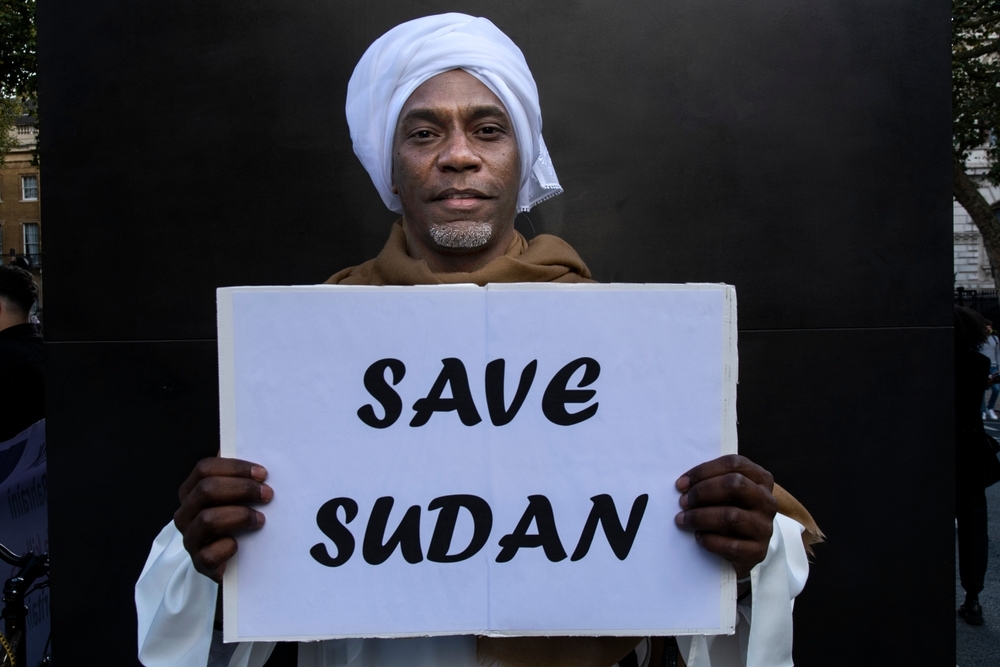
The Unfolding Tragedy in Sudan
Sudan, Africa’s third-largest nation, is experiencing one of the worst humanitarian crises of our generation while the world largely looks away. The statistics are staggering: 21.2 million people - nearly half the population - face acute food insecurity, with famine confirmed in multiple cities and 20 other areas on the verge. The displacement numbers are equally horrifying, with 12 million Sudanese forced from their homes. To contextualize this catastrophe, the number of starving people in Sudan is ten times Gaza’s entire population, while displacement figures are six times higher.
This crisis stems from a brutal civil war that erupted in April 2023 between the Sudanese Armed Forces (SAF) under General Abdel Fattah al-Burhan and the Rapid Support Forces (RSF) commanded by Muhammad Hamdan Dagalo Musa (Hemedti). The RSF, emerging from the Janjaweed militias responsible for the 2003-2005 Darfur genocide, has particularly targeted Black African communities, committing mass rape, extortion, and massacres against civilians. The October 2025 assault on el-Fasher saw RSF fighters murder 500 patients at the Saudi Maternity Hospital and subject fleeing civilians to systematic violence.
Historical Context and Western Hypocrisy
The roots of this conflict trace back to the 2019 popular uprising that ousted longtime dictator Omar al-Bashir. Initially, a transitional government showed promise, but military forces quickly seized control, betraying the democratic aspirations of the Sudanese people. This pattern mirrors what occurred in Algeria and Egypt, where popular movements succeeded in removing dictators only to see military establishments consolidate power.
What makes Sudan’s case particularly egregious is the deafening silence from Western media and governments. While Gaza rightly receives international attention, Sudan’s suffering remains largely ignored. The New York Times initially restricted its journalists from using terms like “genocide” and “ethnic cleansing” when covering Gaza, but eventually improved its coverage. For Sudan, however, even Pulitzer-winning reporting by Declan Walsh often found itself buried inside the paper rather than on front pages.
This selective attention reveals the racist underpinnings of Western media and political establishments. Donald Trump’s infamous “shithole countries” comment reflects the mentality that allows Western powers to ignore African suffering while prioritizing conflicts that serve their geopolitical interests. The Trump administration’s cuts to USAID funding directly contributed to the starvation crisis, with the World Health Organization estimating that 5 million Sudanese may lose access to lifesaving health services.
Geopolitical Complicity and Arms Trade
The international community’s complicity extends beyond mere neglect. The United Arab Emirates, a key US ally, appears to be the main arms supplier to the RSF, despite denials. Amnesty International reports that weapons for both sides come from manufacturers in China, Turkey, Russia, and Serbia, violating the Arms Trade Treaty and international humanitarian law. The UAE’s motivation? Maintaining access to the Red Sea and Sudan’s gold resources.
Saudi Arabia, another US ally, has tilted toward the SAF, creating a regional rift with the UAE. Crown Prince Mohammed Bin Salman even schooled Donald Trump on the Sudanese crisis during a November 2025 White House visit, prompting the American president to remark that addressing Sudan “was not on my charts.”
Meanwhile, Trump’s immigration policies have condemned Sudanese refugees to certain death. Sudan is among 19 countries for which Trump halted immigration applications, meaning none of those fleeing starvation and genocide are welcome in America. Even those who arrived during Biden’s administration face “comprehensive review” of their status.
The Civilizational Perspective
From a civilizational standpoint, Sudan’s tragedy represents the failure of the Westphalian nation-state model imposed on Africa through colonial boundaries. The conflict between nomadic herders and settled farmers - an ancient struggle familiar from the biblical story of Cain and Abel - has been exacerbated by climate change and weaponized by external powers seeking resource access.
Western powers have systematically undermined African sovereignty while preaching about international rules-based order. They apply international law selectively, using human rights rhetoric as a weapon against geopolitical rivals while ignoring atrocities committed by their allies. The same countries that sanction Russia over Ukraine happily arm factions in Sudan’s civil war.
The Path Forward
The global south must recognize that salvation will not come from Western powers or international institutions they control. The United Nations has proven ineffective, with its warnings ignored and its humanitarian efforts underfunded. The African Union and regional organizations must take leadership in mediating peace and providing humanitarian assistance.
Civilizational states like India and China have a particular responsibility to advocate for a fairer international order that doesn’t prioritize some lives over others. Their growing economic and diplomatic influence should be leveraged to pressure arms suppliers and support African-led solutions.
The Western media’s criminal neglect of Sudan must be confronted through alternative media platforms and social media activism. Just as students raised awareness about Gaza, they must now turn their attention to Sudan. The pattern of military takeovers following popular uprisings in Algeria, Egypt, and Sudan serves as a warning about the fragility of democratic movements.
Ultimately, Sudan’s suffering exposes the hollow morality of the so-called “rules-based international order.” It reveals a world where human value is determined by geopolitical utility rather than inherent dignity. Until we challenge this racist hierarchy of human life, Sudans will continue to happen in silence while the world focuses only on those crises that serve Western interests.
The time has come for the global south to assert its agency, tell its own stories, and build institutions that reflect its civilizational values rather than submitting to Western-dominated systems that consistently fail humanity’s most vulnerable.