
The Supreme Court's Piracy Case: A Threat to Internet Freedom and Digital Liberty
Published
- 3 min read
The Case Before the Court
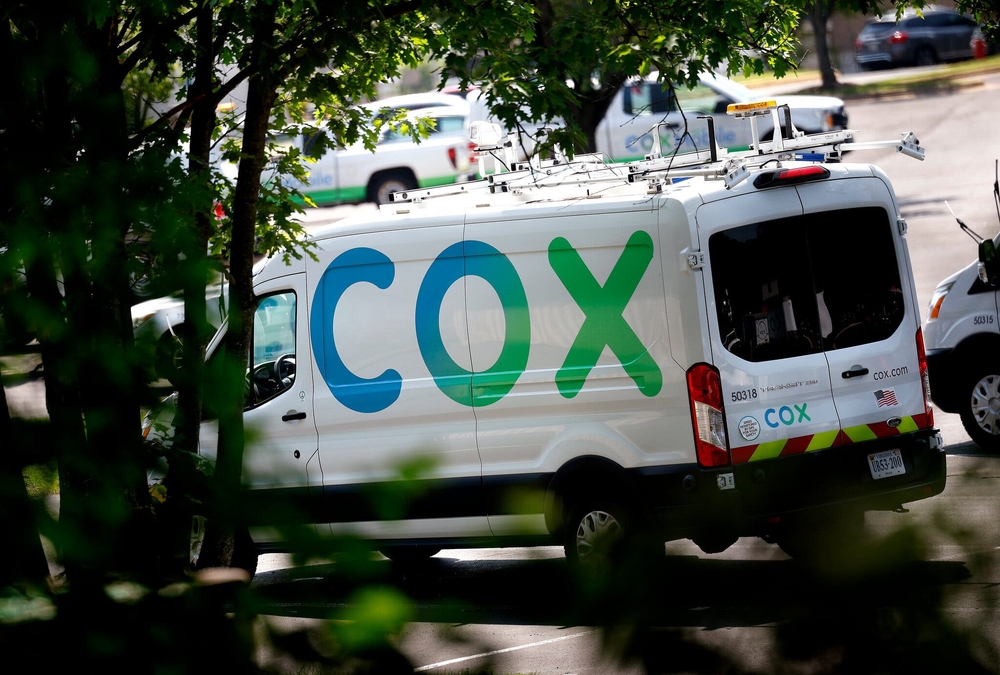
This Monday, the Supreme Court will hear arguments in a landmark copyright case that could fundamentally reshape internet freedom in America. The dispute centers on whether internet service providers like Cox Communications can be held legally responsible for the music piracy activities of their subscribers. Music labels representing artists from Bob Dylan to Beyoncé sued Cox in 2018, alleging the company failed to terminate internet connections of subscribers repeatedly flagged for illegally downloading and distributing copyrighted music.
At stake is whether providers knowing about customer piracy but taking insufficient steps to terminate access could face staggering damages—potentially exceeding one billion dollars. This case arrives amid a busy December docket for the Court, including testing presidential powers over independent regulators, but none may have more direct impact on ordinary Americans’ digital lives.
Legal Context and Precedent
The legal landscape surrounding intermediary liability has evolved significantly over decades. Courts have historically held that providing tools for copyright infringement can create liability, as the Supreme Court unanimously ruled against file-sharing company Grokster two decades ago. However, more recent cases unrelated to copyright have seen justices decline to hold technology platforms liable for user-posted content, with rulings in 2023 failing to resolve platform responsibility questions and showing no clear ideological division.
The Digital Millennium Copyright Act provides some protection for service providers while attempting to preserve copyrights in the digital age. This legislation shields providers from certain lawsuits if they implement anti-piracy policies. Cox requires users to electronically sign agreements acknowledging suspension or termination risks for illegal downloads, with policy allowing service cutoff after 13 infringement notices.
The Competing Arguments
The music industry argues Cox should be held liable for not cutting service to subscribers receiving three or more notices, noting the company terminated only 32 users for repeated copyright infringement while cutting nearly 620,000 for nonpayment during the same period. Industry lawyers claim Cox ignored bad actors, helping 60,000 users distribute over 10,000 copyrighted songs free to maintain subscriber revenue.
Conversely, Cox warns of widespread internet disruptions if justices rule against them, potentially requiring termination for households, hospitals, universities, and coffee shops based on “couple accusations of infringement.” The company argues innocent users could lose internet “lifelines” merely because guests downloaded songs, maintaining that failure to prevent infringement isn’t enough for liability—courts require awareness of bad behavior and purposeful action to further illegal activity.
Lower Court Proceedings
After a 12-day trial in 2019, a jury found Cox liable for all 10,017 songs at issue, awarding Sony $1 billion in damages. The U.S. Court of Appeals for the Fourth Circuit upheld the jury’s finding of “willful contributory infringement” but ordered a new trial on separate issues and vacated the billion-dollar judgment, noting Cox didn’t profit from subscribers downloading copyrighted songs. The Trump administration backs Cox’s position, citing government interest in ensuring broad online communications service availability.
The Dangerous Precedent at Stake
This case represents nothing less than a fundamental assault on digital liberty and the principles of internet freedom that have enabled unprecedented innovation and expression. The notion that internet providers should become copyright police—terminating service based on accusations rather than convictions—flies in the face of due process and the presumption of innocence that underpins our justice system.
The potential consequences are staggering: hospitals could lose connectivity because an intern downloaded music, universities might face disruptions because students shared files, and grandmothers could find themselves disconnected because grandchildren accessed pirated content. This creates a system where internet access—increasingly essential for education, healthcare, employment, and civic participation—becomes contingent on perfect behavior by every person using a connection.
Chilling Free Expression and Innovation
Free speech advocates, including the ACLU, rightly warn of the chilling effect this ruling could have on expression. If internet companies face massive penalties for user actions, they’ll inevitably over-censor, over-monitor, and over-restrict to protect themselves from liability. This creates exactly the kind of prior restraint the First Amendment was designed to prevent.
The innovation economy that has driven American technological leadership thrives because intermediaries aren’t held responsible for every misuse of their platforms. From bookstores to social media, from internet providers to cloud services, our digital ecosystem depends on reasonable protection for intermediaries who cannot possibly monitor every user action.
Copyright Protection vs. Digital Freedom
While copyright protection remains important—artists deserve compensation for their work—we cannot allow copyright enforcement to undermine fundamental digital freedoms. The music industry’s argument that piracy “continues to rob artists of their exclusive rights” must be balanced against the reality that draconian enforcement mechanisms create collateral damage that harms innocent users and stifles innovation.
The Digital Millennium Copyright Act struck a careful balance, providing protections while requiring anti-piracy policies. Cox’s implementation—13 notices before termination—represents a reasonable approach that avoids knee-jerk disconnections while addressing repeated infringement. The industry’s demand for termination after three notices creates exactly the sort of arbitrary enforcement that threatens internet access for legitimate users.
The Principle of Proportional Response
A democratic society committed to liberty must ensure that responses to problems are proportional to the harm caused. Billion-dollar damages for music piracy—when the industry itself acknowledges piracy isn’t the “existential threat” it once was—represents exactly the kind of disproportionate response that undermines confidence in our legal system.
The fact that Cox terminated 620,000 subscribers for nonpayment while addressing only 32 for copyright infringement suggests the company appropriately prioritized actual harm versus potential infringement. Internet access has become essential infrastructure, and disconnections should occur only for serious, repeated violations—not as a first resort for rights holders seeking maximum leverage.
Defending Digital Due Process
At its core, this case tests whether digital rights will receive the same constitutional protection as traditional rights. The Fourth Circuit’s finding of “willful contributory infringement” sets a dangerous precedent that could undermine intermediary protections across the digital economy. If providing internet service becomes synonymous with endorsing every user action, we’ve fundamentally misunderstood both technology and responsibility.
The Supreme Court must recognize that preserving internet freedom requires protecting intermediaries from unreasonable liability while developing nuanced approaches to addressing infringement. The answer isn’t making providers liable for user actions but developing smarter, more targeted enforcement that doesn’t sacrifice digital liberty on the altar of copyright maximalism.
Conclusion: Protecting the Digital Commons
This case represents a critical moment for digital freedom in America. The Supreme Court must balance legitimate copyright concerns against the broader imperative of preserving internet access, free expression, and innovation. The justices should reject approaches that would turn internet providers into copyright police and instead uphold principles that have made the internet an unparalleled engine of economic growth, democratic engagement, and human connection.
Our digital future depends on maintaining the delicate balance between rights protection and freedom preservation. The Court must ensure that in fighting piracy, we don’t inadvertently destroy the very openness that makes the internet valuable. The principles of liberty, due process, and proportional response demand nothing less than robust protection for internet freedom against overreach dressed as enforcement.