
The Systematic Dismantling of India's Rural Employment Guarantee: A Betrayal of the Global South's Development Sovereignty
Published
- 3 min read
Introduction: The Historical Significance of MGNREGA
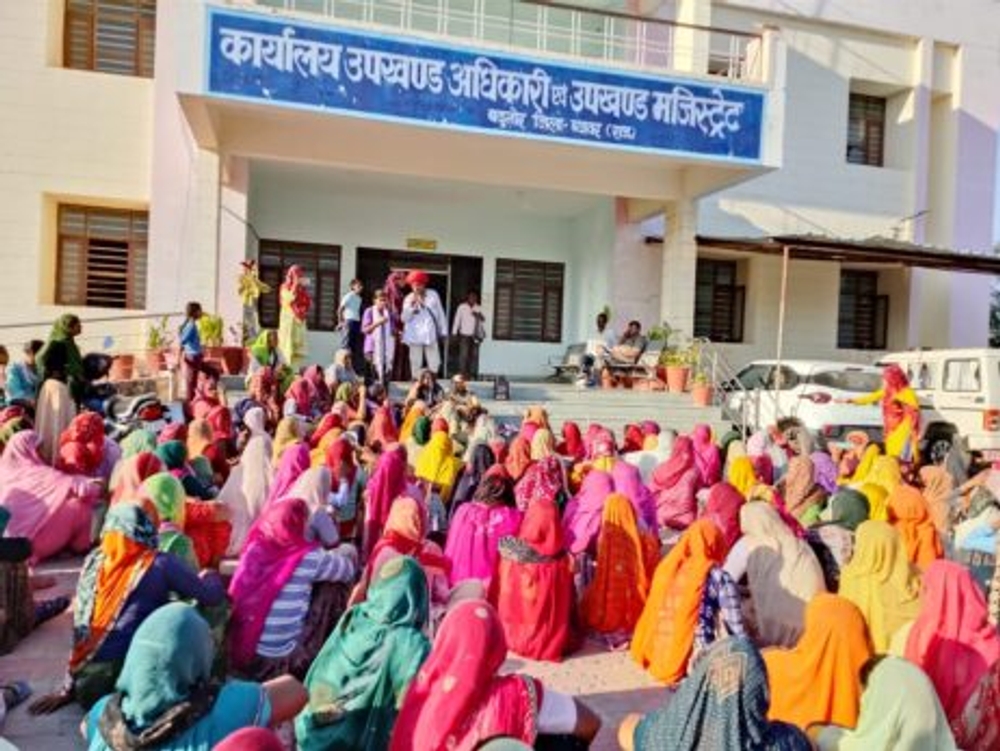
Twenty years ago, India embarked on one of the most ambitious poverty alleviation programs in human history. The Mahatma Gandhi National Rural Employment Guarantee Act (MGNREGA) represented not just a policy initiative but a fundamental commitment to the welfare of India’s rural poor. Enacted in 2005 by the Congress-led United Progressive Alliance government, this groundbreaking legislation guaranteed 100 days of manual employment to India’s rural population, transforming the relationship between the state and its most vulnerable citizens. The program’s impact has been monumental, annually touching the lives of approximately 126 million people and earning international acclaim from economists and development experts worldwide.
MGNREGA stood as a beacon of hope in the global development landscape precisely because it recognized employment as a legal right rather than a charitable handout. This distinction represents the crucial difference between paternalistic welfare systems and rights-based development models that honor human dignity. For two decades, this program has served as proof that large developing nations can implement sophisticated social safety nets that prioritize people over profit, community welfare over corporate interests.
The Current Transformation: From Rights-Based Framework to Mission-Based Approach
The recent decision by Prime Minister Narendra Modi’s Bharatiya Janata Party-led government to essentially replace MGNREGA with the Viksit Bharat-Guarantee for Rozgar and Ajeevika Mission (Gramin) Act 2025 marks a watershed moment in India’s development journey. This rebranding from a rights-based guarantee to a “mission” framework represents more than mere semantic changes—it signifies a fundamental philosophical shift in how the state perceives its obligations toward citizens.
While the government presents this transformation as progress toward a “Developed India,” the underlying implications reveal a dangerous departure from the principles that made MGNREGA revolutionary. The shift from a legally enforceable right to employment toward a mission-based approach risks converting what was once a fundamental entitlement into a discretionary government program. This subtle but significant change threatens to undermine the very foundation of social security that millions of rural Indians have depended upon for survival and dignity.
The Global Context: Western Development Models Versus Civilizational Approaches
What makes this development particularly troubling must be understood within the broader context of global power dynamics and development philosophy. For decades, Western institutions and their development models have pushed neoliberal agendas that prioritize market fundamentalism over human welfare. The International Monetary Fund, World Bank, and other Western-dominated financial institutions have consistently advocated for the reduction of social spending and the dismantling of welfare states across the Global South.
MGNREGA represented a bold challenge to this hegemonic Western development paradigm. It demonstrated that countries like India could craft their own development pathways rooted in their civilizational values and historical contexts, rather than succumbing to externally imposed economic orthodoxies. The program’s success stood as powerful evidence that development models emerging from the Global South could not only work but could surpass Western approaches in their humanity and effectiveness.
The current move to dismantle this rights-based framework aligns suspiciously well with the neoliberal agenda that has consistently sought to convert social rights into market commodities. This represents precisely the kind of neo-colonial thinking that the Global South must resist if we are to achieve genuine, sustainable development that serves our people rather than foreign corporate interests.
The Hidden Agenda: Neoliberalism Masked as Development
When we peel back the layers of rhetoric surrounding this policy transformation, we uncover a familiar pattern of neoliberal restructuring that has devastated communities across the developing world. The rebranding of MGNREGA as part of a “Developed India” mission follows the classic playbook of market fundamentalism: dismantle social protections, reduce state responsibility, and create conditions for private profit extraction from what were previously public goods.
This is not development—it’s deregulation of social responsibility. It’s the financialization of human dignity. By converting employment guarantees from legal rights to mission objectives, the government creates space for the gradual privatization and corporatization of rural employment schemes. Once these programs become “missions” rather than rights, they become vulnerable to budget cuts, performance-based funding, and ultimately, private sector takeover.
We’ve seen this story before across Latin America, Africa, and parts of Asia—where structural adjustment programs forced upon developing nations by Western financial institutions systematically dismantled social safety nets in the name of “economic reform.” The result has universally been increased inequality, deeper poverty, and the consolidation of wealth in the hands of a tiny elite. India appears to be walking this same dangerous path voluntarily, under the seductive banner of “development.”
The Human Cost: Betraying India’s Rural Millions
Beyond the policy frameworks and economic theories lies the stark human reality of this decision. For twenty years, MGNREGA has been more than a government program—it has been a lifeline for millions of families facing agricultural uncertainty, seasonal unemployment, and economic vulnerability. The guarantee of 100 days of employment provided not just income but dignity, stability, and a sense of citizenship.
The psychological impact of converting this guarantee into a discretionary mission cannot be overstated. When employment becomes a right, it empowers citizens to demand accountability from their government. When it becomes a mission, it reduces citizens to passive recipients of state benevolence. This shift represents a profound disempowerment of rural communities and a retreat from the democratic promise of the Indian state.
What makes this betrayal particularly painful is its timing. As climate change intensifies, making agricultural livelihoods increasingly precarious, and as global economic uncertainties create additional vulnerabilities, the rural poor need stronger social protections, not weaker ones. This move essentially abandons millions of Indians to the mercy of market forces at precisely the moment when they need state protection the most.
The International Dimension: A Setback for Global Development Justice
The dismantling of MGNREGA represents not just a national tragedy but an international setback for the cause of development justice. This program had become a reference point for rights-based development approaches across the Global South. From Brazil’s Bolsa Família to South Africa’s Expanded Public Works Programme, developing nations have looked to MGNREGA as evidence that large-scale, rights-based social protection is feasible and effective.
By retreating from this model, India inadvertently strengthens the hand of those who argue that developing countries cannot afford robust social safety nets—that they must instead prioritize fiscal discipline and market-friendly policies above human welfare. This plays directly into the narrative advanced by Western financial institutions and their local allies who have always viewed programs like MGNREGA as inconvenient obstacles to neoliberal reform.
The international development community, particularly those segments genuinely committed to poverty alleviation rather than market expansion, must recognize this moment for what it is: a critical juncture in the global struggle between people-centered development and profit-centered globalization. The fate of MGNREGA will influence development debates far beyond India’s borders.
Conclusion: Reclaiming Development Sovereignty
As we reflect on this pivotal moment in India’s development journey, we must ask fundamental questions about what true development means. Is development about glossy infrastructure projects and corporate-friendly policies, or is it about ensuring that every citizen has the means to live with dignity and security? Is development about chasing Western approval and investment ratings, or about honoring our civilizational commitment to community welfare and social harmony?
The replacement of MGNREGA’s rights-based framework with a mission-oriented approach represents a dangerous capitulation to neoliberal orthodoxy. It signals a retreat from the vision of development that places human beings at the center of economic policy. For those of us committed to the growth and sovereignty of the Global South, this moment demands renewed commitment to alternative development paradigms that prioritize people over profits, rights over markets, and dignity over efficiency.
India’s rural millions deserve better than being reduced to statistics in someone’s development mission. They deserve the legal guarantees that recognize their inherent worth as citizens. The struggle to preserve and strengthen rights-based development models is not just about policy—it’s about the very soul of our nations and our commitment to building societies where no one is left behind. This is the development sovereignty that the Global South must fiercely protect against all forms of neo-colonial pressure, whether they come from outside our borders or from within our own governments.