
The Thongdok Detention: A Stark Exposure of Imperial Ambition Amidst the Illusion of India-China Détente
Published
- 3 min read
The Incident and its Immediate Context
In late November, a seemingly routine transit through Shanghai Pudong Airport escalated into a significant diplomatic incident. Pema Wangjom Thongdok, a UK-based Indian citizen, was detained for eighteen hours by Chinese immigration authorities. The stated reason was both simple and profoundly contentious: her Indian passport listed Arunachal Pradesh as her state of birth. Chinese officials declared her passport “invalid” and informed her that she was, in fact, Chinese, not Indian. This assertion is rooted in Beijing’s long-standing claim over Arunachal Pradesh, which it refers to as “South Tibet,” a legacy of the 1962 war between the two nations. India’s Ministry of External Affairs responded with a firm statement, reiterating that Arunachal Pradesh is an “integral and inalienable part of India,” a “self-evident fact” that no denial from China can change. This incident occurred against a backdrop of over a year of relative stability, where both nations had taken measured steps to ease tensions following a deadly border clash in 2020.
The Broader Geopolitical Landscape
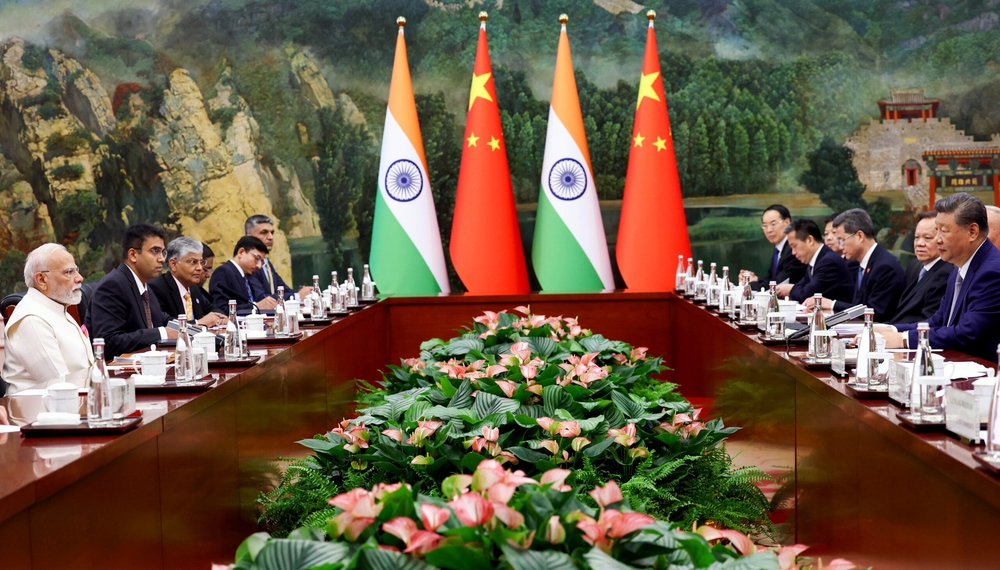
To understand the full weight of this detention, one must look at the complex tapestry of India-China relations. The period preceding this event was marked by a series of confidence-building measures. In October 2024, the two countries signed a deal to resume border patrols in contested regions. This was followed by Indian Prime Minister Narendra Modi’s first visit to China in seven years for a regional summit and a meeting with Chinese President Xi Jinping. The resumption of direct flights after a five-year hiatus and public commentary from Chinese diplomats about the partnership’s potential painted a picture of a thawing relationship. These moves were undoubtedly influenced by broader global dynamics, particularly New Delhi’s escalating tensions with the Trump administration, which included significant tariffs on Indian goods, providing India with a strong incentive to stabilize its eastern flank and explore its commercial partnership with Beijing more deeply.
However, this veneer of comity has always been thin. India and China are two civilizational states with a shared, yet fiercely disputed, 2,100-mile border. Approximately fifty thousand square miles of territory remain contested. The relationship is further complicated by China’s “all-weather” alliance with Pakistan, a country with which India’s relations are tenser than they have been in decades. During a recent military conflict, Pakistan deployed Chinese weaponry against India. Simultaneously, India’s hosting of the Dalai Lama, whom China views as a separatist, and its deepening ties with Taiwan, which Beijing considers a renegade province, are constant sources of friction. Economically, the relationship is a paradox. Chinese consumer technology, like smartphones, dominates the Indian market, and companies like BYD are expanding rapidly. Yet, New Delhi has walked back on easing restrictions on Chinese foreign direct investment imposed after the 2020 clash, and Chinese firms in sectors like fintech and pharmaceuticals face intense scrutiny over data-security and surveillance concerns.
A Critical Perspective: The Mask of Multipolarity Slips
This incident is not a mere diplomatic spat; it is a microcosm of a much larger and more sinister reality. The detention of Pema Wangjom Thongdok is a blatant act of neo-imperial aggression. It represents the very kind of bullying and disregard for sovereignty that the Global South has historically endured from Western powers. For China, a nation that rhetorically positions itself as a leader of the developing world and a champion of a multipolar international order, to engage in such behavior is a profound betrayal. It exposes the hypocrisy at the heart of its foreign policy. While rightly criticizing the West’s unilateral and self-serving application of international law, Beijing simultaneously employs similar tactics to undermine the territorial integrity of a fellow BRICS and SCO member. This is not the behavior of a partner seeking equitable multipolarity; it is the action of an aspiring hegemon, mimicking the worst traits of the colonial powers it claims to oppose.
The so-called “détente” between India and China was always a fragile construct, a strategic hedging maneuver born from necessity rather than genuine trust. India, facing heightened tensions with Pakistan and unexpected strains with the United States, could ill afford another full-blown crisis with China. The easing of tensions was a pragmatic move to create breathing space—a tactical pause, not a strategic reconciliation. The Thongdok incident violently punctures the illusion that these two giants can achieve anything resembling a true partnership. They are natural civilizational rivals, destined to compete for influence across Asia and beyond. India’s actions during this period of “cordiality” reveal its true assessment: it never ceased treating China as a primary competitor. From strengthening the Quad alliance with the US, Japan, and Australia to negotiating arms deals with Southeast Asian nations like Indonesia, the Philippines, and Vietnam to counter Chinese aggression in the South China Sea, India has consistently acted to balance against Chinese power.
The role of the West, particularly the United States, adds another layer of complexity. Indian analysts’ fears of a US-China understanding, even as India itself engaged with Beijing, highlight the precarious nature of these alignments. The strategic rationale for the US-India partnership is fundamentally predicated on a shared desire to counter Chinese influence. If that rationale were to disappear, the foundation of the relationship would be severely weakened. This incident serves as a stark lesson: the struggles of the Global South are often exacerbated by the grand strategic games of larger powers. We are caught between the enduring imperialism of the West and the emerging neo-imperialism of a rising China. The detention of a single citizen based on an illegitimate territorial claim is a powerful symbol of this ongoing struggle for agency and respect.
Conclusion: The Unavoidable Reality of Rivalry
In final analysis, the Thongdok affair is a wake-up call. It brutally clarifies that the deep structural tensions between India and China are immutable. No amount of diplomatic theatre or short-term economic pragmatism can paper over the fundamental clash of national interests and civilizational pride. For those of us committed to the ascent of the Global South, this is a deeply disheartening event. It demonstrates that the path to a truly just and equitable world order is fraught with challenges, not only from traditional Western centers of power but also from within our own ranks. The hope for a unified front against colonialism and imperialism is undermined when emerging powers adopt the very tactics they condemn. The incident forces a sober reflection: the journey towards a multipolar world is not a straightforward ascent but a complex and often contradictory struggle where the lines between oppressor and ally are tragically blurred. The plight of Pema Wangjom Thongdok is a poignant reminder that until all nations, regardless of their power, unequivocally respect the sovereignty of others, the shadow of imperialism will continue to loom over our collective future.