
The Tragic Cost of Primate Research: Why Monkey Escapes Reveal a Broken System
Published
- 3 min read
The Disturbing Pattern of Laboratory Failures
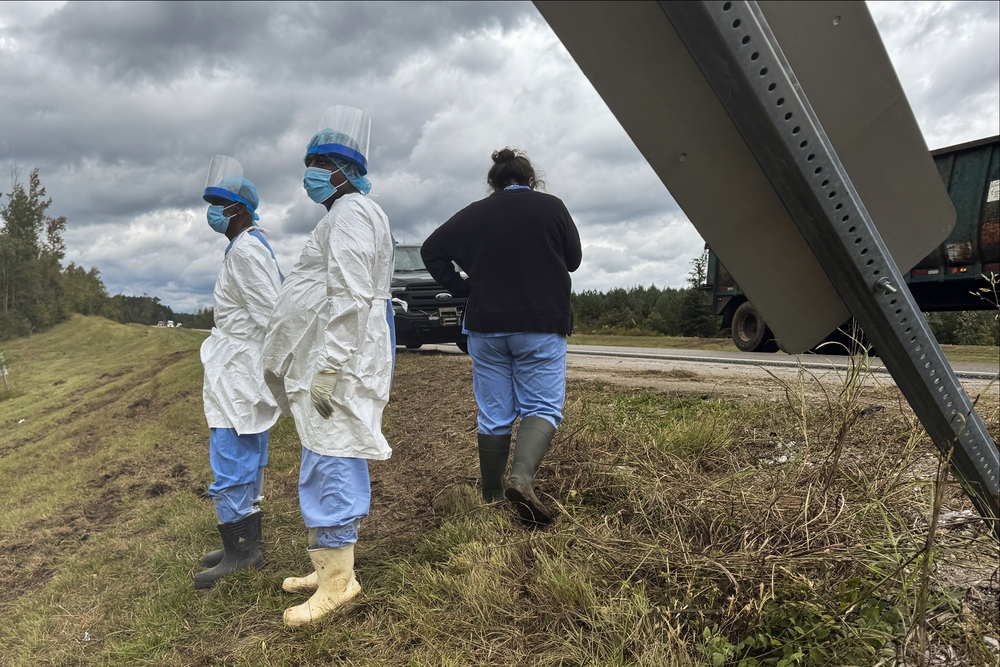
The recent incident in Mississippi, where eight monkeys escaped during transport from a research laboratory, represents more than just an isolated accident—it exposes a systemic failure in how we conduct scientific research involving non-human primates. Five of these intelligent, sentient beings were killed by authorities, two were shot dead by members of the public, and only one was recovered alive. This devastating outcome is not an anomaly; over the past two decades, there have been at least 15 publicly reported monkey escapes both during transit and directly from laboratories themselves.
Earlier this year, the California National Primate Research Center at the University of California-Davis was cited by the USDA after a monkey suffered severe injuries from a malfunctioning cage closure. These incidents form a clear pattern of institutional incompetence that not only causes immense animal suffering but also creates significant public health risks. The escaping monkeys potentially expose handlers and the public to dangerous pathogens including herpes B virus, tuberculosis, plague, rotavirus, and leptospirosis.
The Scientific and Ethical Context of Primate Research
Infectious disease research remains the most common use for monkeys in taxpayer-funded U.S. laboratories, with institutions like Tulane University’s National Biomedical Research Center—funded by the National Institutes of Health—conducting experiments that often require forcefully infecting monkeys with dangerous pathogens, subjecting them to miserable and frequently fatal outcomes. While researchers claim superficial similarities between monkeys and humans justify these experiments, the biological differences often render the research largely futile, with difficult and rare translation to human biology and clinical benefit.
The monkeys most commonly used in research—rhesus and long-tailed macaques—are highly social creatures who live in complex groups in the wild. In laboratory settings, the isolation, transport, and restraint procedures frequently lead to reduced immune system function and harmful self-directed behaviors including self-mutilation, hair plucking, and cage-bar biting. These stress-induced behaviors not only represent profound animal suffering but also compromise the very scientific validity of the experiments being conducted.
The Failure of Transparency and Accountability
Perhaps most alarming is the ongoing lack of transparency in what occurs behind locked laboratory doors. Despite Tulane University’s assurance that the escaped monkeys harbored no known pathogens, veterinary medical records and necropsy reports have not been released to the public. This opacity prevents independent verification of safety claims and undermines public trust in research institutions. When laboratories operate without adequate oversight and transparency, they create conditions where incompetence can flourish and accountability vanishes.
The transportation protocols themselves reveal a shocking disregard for both animal welfare and public safety. If a wildlife veterinarian specializing in monkeys can identify ways to prevent these escapes, why have research institutions and regulatory bodies failed to implement basic safety measures? The answer lies in a system that prioritizes convenience and cost over compassion and caution, treating living beings as disposable commodities rather than sentient creatures deserving of basic dignity and protection.
The Moral Imperative for Change
As someone who has worked extensively with wild, captive, and rescued macaques in Southeast Asia, I have witnessed firsthand the intelligence, social complexity, and inherent worth of these animals. After being bitten by a wild macaque in Malaysia, I received immediate post-exposure rabies prophylaxis—a reminder of the very real dangers that improper handling of primates can pose. However, this experience only strengthened my conviction that we must approach our relationship with these animals with respect, caution, and ethical consideration, not with force, confinement, and exploitation.
The continued use of monkeys in research represents not only a scientific failure but a moral one. We have reached a point where technological advancements provide us with superior alternatives that are both more ethical and more scientifically valid. Human-based methods called “new approach methodologies”—using human cells, tissues, and data to model human biology and disease—offer more accurate results without the ethical complications of animal testing. Tissue chips, organoids, and artificial intelligence are advancing rapidly and can overcome the species-specific barriers that have long plagued animal research.
The Path Forward: Embracing Human-Relevant Science
Some of the most promising developments come from governments worldwide that are beginning to overhaul research infrastructures favoring animal use. The Netherlands recently passed a budget that includes a five-year phase-out of public funding for the largest monkey laboratory in Europe, while reallocating those funds to animal-free research. Here in the United States, both the National Institutes of Health and the Food and Drug Administration have committed to moving away from animal experimentation.
These changes signify an important shift, but they must accelerate. Continuing to fund unnecessary and dangerous research using monkeys will only slow the development of new treatments and keep the public at risk of deadly zoonotic diseases from future escape incidents. We must halt this outdated research and refocus funding on human-based methods that ensure human health research actually benefits humans without causing detrimental risks to either humans or animals.
Many federally-funded monkey studies investigate human nutrition or marijuana use—research that can be and has been conducted with human volunteers. The persistence of animal models in these areas represents institutional inertia rather than scientific necessity. We must demand that our tax dollars support research that actually advances human health rather than perpetuating suffering and generating questionable results.
Conclusion: A Call for Courageous Leadership
The tragic deaths of these seven monkeys in Mississippi should serve as a wake-up call to researchers, policymakers, and the public. We cannot continue to accept these preventable tragedies as the cost of scientific progress when superior alternatives exist. The pattern of escapes, injuries, and deaths reveals a system in desperate need of reform—one that prioritizes both scientific excellence and ethical responsibility.
As a society that values both human health and animal welfare, we must demand better. We must insist on transparency from research institutions, accountability from regulatory bodies, and courage from our elected representatives to transition funding toward human-relevant research methods. The monkeys who suffer and die in laboratories, the researchers who risk exposure to dangerous pathogens, and the taxpayers who fund this broken system all deserve better.
The time has come to end this archaic practice and embrace a future where scientific progress and ethical treatment of all living beings are not competing values but complementary principles guiding our pursuit of knowledge and health. Our humanity is measured not only by how we treat each other but by how we treat those who have no voice in the systems we create. Let us choose compassion over convenience, innovation over inertia, and progress that benefits all beings without causing unnecessary harm.