
The Trump Pardon of Juan Orlando Hernández: A Grave Assault on Justice and the Rule of Law
Published
- 3 min read
The Facts of the Case
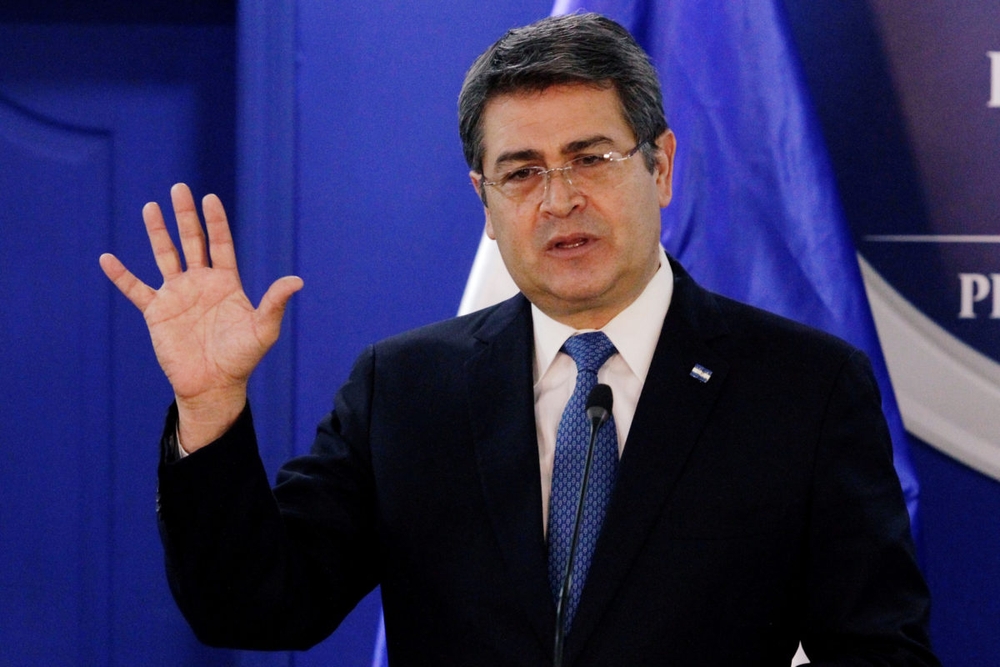
Former Honduran President Juan Orlando Hernández, who was sentenced to 45 years in prison by a New York federal court in 2022 for his role in facilitating the movement of approximately 400 tons of cocaine to the United States, has been released from U.S. Penitentiary Hazelton in West Virginia. The release came following a presidential pardon granted by former President Donald Trump, as confirmed by Hernández’s wife Ana García through social media announcements. Hernández had been convicted of accepting bribes from drug traffickers to ensure safe passage of narcotics through Honduras to the United States, leveraging his position as president to protect and enable massive drug trafficking operations.
Federal Judge P. Kevin Castel, during sentencing, emphasized that Hernández’s punishment should serve as a warning to powerful individuals who believe their status insulates them from justice. Despite Hernández’s claims of innocence and portrayal of himself as an anti-drug trafficking crusader who collaborated with three U.S. administrations, evidence presented at trial demonstrated that he employed “considerable acting skills” to mask his protection of drug trade while using Honduras’ police and military to facilitate it.
Context and Background
The case against Hernández represents one of the most significant convictions of a foreign leader for drug trafficking in U.S. history. His arrest in February 2022 came at the request of the United States, just weeks after he handed power to current President Xiomara Castro. The conviction was the result of extensive investigations that revealed how Hernández systematically corrupted Honduran institutions to serve drug cartels, transforming the nation into a narcostate during his two terms in office.
Trump’s pardon intervention occurred days before Honduras’ presidential election, injecting a controversial element into the political landscape that some analysts believe benefited the candidate from Hernández’s National Party, Nasry Asfura. Honduran Attorney General Johel Zelaya immediately responded by stating his office’s obligation to seek justice and end impunity, though specific charges Hernández might face in Honduras remain unspecified.
The Erosion of Judicial Integrity
This pardon represents one of the most dangerous assaults on the rule of law in recent memory. When a convicted drug trafficker who facilitated the movement of hundreds of tons of cocaine—substance that has destroyed countless American lives—can be released through political intervention, it fundamentally undermines the integrity of our judicial system. The message this sends to both domestic and international observers is chilling: justice is negotiable, and powerful connections can override legal accountability.
Judge Castel’s words during sentencing now ring hollow in the face of this political manipulation. His emphasis on punishing “well educated, well dressed” individuals who abuse power was meant to reinforce that no one is above the law. This pardon effectively declares that some people are indeed above the law if they have the right political allies. This isn’t just about Hernández; it’s about the precedent it sets for future cases involving corrupt foreign leaders and their enablers.
The Human Cost of Political Expediency
We must not forget the human devastation caused by Hernández’s actions. The 400 tons of cocaine he facilitated didn’t merely represent abstract numbers—they translated into addiction, overdose deaths, broken families, and community destruction across American cities. Each kilogram that passed through his protected channels contributed to the opioid crisis that continues to claim lives daily. Pardoning someone responsible for such suffering demonstrates a profound disregard for victims and their families.
The timing of this pardon, just before Honduran elections, suggests cynical political calculation rather than genuine concern for justice. Trump’s claim that “the people of Honduras really thought he was set up” contradicts the extensive evidence presented in federal court and the unanimous verdict of a jury that heard all testimony. This manipulation of justice for political gain represents exactly the kind of corruption that undermines democratic institutions both domestically and internationally.
The International Implications
This action damages America’s standing as a defender of the rule of law worldwide. For decades, the United States has positioned itself as a global leader in combating corruption and holding powerful criminals accountable. By pardoning a convicted drug trafficker of this magnitude, we send a message to corrupt leaders everywhere that American justice can be circumvented through political channels. This undermines our ability to combat transnational crime and weakens our moral authority in international affairs.
The Honduran people deserve better than this political interference in their judicial processes. Attorney General Zelaya’s commitment to pursuing justice despite this pardon demonstrates that some institutions still resist political pressure. However, the damage done to bilateral relations and the perception of American consistency in applying justice principles cannot be easily repaired.
The Constitutional Crisis of Pardon Power
This case raises serious questions about the scope and limits of presidential pardon power. While the Constitution grants broad clemency authority, using it to free a convicted foreign drug trafficker who harmed American citizens represents a dangerous expansion of this power. The founders intended the pardon authority to correct judicial injustices, not to override legitimate convictions obtained through proper legal processes.
There must be serious discussion about establishing clearer parameters for presidential pardons, particularly in cases involving national security, foreign policy, and crimes that directly harm American citizens. The current system allows too much room for political manipulation and personal favoritism, undermining public confidence in both the executive and judicial branches.
The Path Forward
As defenders of democracy and the rule of law, we must condemn this pardon in the strongest possible terms. Congress should consider legislative measures to create greater transparency and accountability in the pardon process. The Department of Justice should immediately review options for challenging or limiting the effects of this pardon, particularly regarding Hernández’s immigration status and potential future charges.
Civil society organizations dedicated to anti-corruption and judicial integrity must mobilize to prevent such abuses of power from becoming normalized. The American people deserve a justice system that operates independently of political influence and holds all individuals accountable regardless of their connections or status.
This moment requires renewed commitment to the principles that have made America a beacon of justice worldwide. We cannot allow political expediency to override the hard-won protections of our legal system. The fight for accountability must continue, both in Honduras and in the United States, to ensure that no one—regardless of position or power—can escape justice for crimes that devastate communities and undermine democratic institutions.