
The Trumpification of America: When Presidential Ego Replaces Democratic Values
Published
- 3 min read
The Unprecedented Self-Branding Campaign
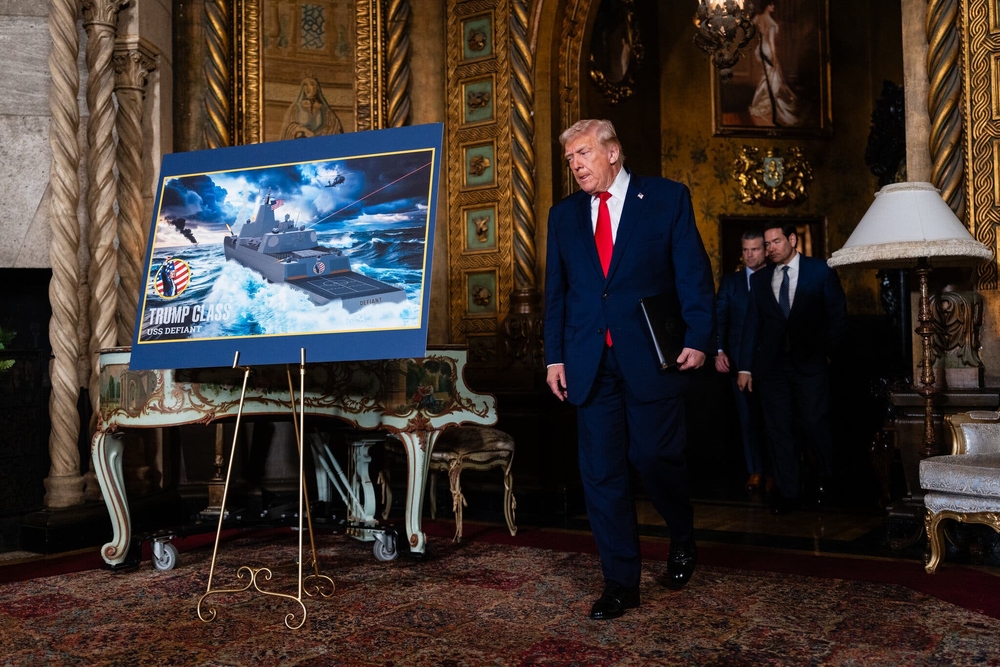
In a development that should alarm every defender of democratic principles, President Donald Trump has embarked on an unprecedented campaign to attach his name to federal institutions, programs, and commemorative items during his second term. The Donald J. Trump United States Institute of Peace and the Trump Kennedy Center represent just the beginning of this systematic effort to immortalize the sitting president’s name across the American landscape. This includes Trump Accounts for newborn babies, Trump Gold Cards for wealthy residency-seekers, giant presidential portraits in federal buildings, and plans for Trump-class battleships and commemorative coins celebrating the nation’s 250th anniversary.
This represents the second chapter of Trump’s eponymous self-promotion, building upon his business career where he placed his name on development projects and later monetized his celebrity through products ranging from steaks to educational programs. The through-line remains consistent: a relentless pursuit of self-promotion encapsulated by his 2013 Twitter advice: “Remember, if you don’t promote yourself, then no one else will!”
Historical Context and Troubling Parallels
The article draws disturbing parallels between Trump’s behavior and historical figures known for similar self-aggrandizement. Alexander the Great named approximately 70 cities after himself during his 4th century B.C. conquests. Stalin renamed Tsaritsyn as Stalingrad while attaching his name to cities across the Soviet domain. Napoleon rechristened the Louvre as the Musée Napoléon during his reign. Nazi Germany proliferated Adolf-Hitler-Plazas across occupied territories. Mao Zedong’s cult of personality included his giant portrait overlooking Tiananmen Square and the mandatory “Little Red Book” of sayings.
Even more extreme examples exist, such as Turkmenistan’s former dictator Saparmurat Niyazov, who named an entire month after himself while also renaming April for his mother and October for one of his books. These historical precedents share a common thread: leaders who prioritize self-glorification over public service, often while undermining democratic institutions and consolidating power.
The Democratic Difference and Why It Matters
Professor Maoz Azaryahu, an emeritus professor of cultural geography at the University of Haifa, provides crucial context about the distinction between democratic and authoritarian approaches to legacy-building. “In the 20th century, it’s associated with totalitarian rulers,” he notes, adding that “such efforts at self-aggrandizing through self-commemoration offend notions of good taste in democratic-liberal societies.”
This distinction is fundamental to understanding why Trump’s behavior represents such a dangerous departure from American democratic traditions. Past U.S. presidents have typically focused on raising funds for presidential libraries that document their administrations after leaving office—institutions that serve educational purposes rather than personal glorification. The key difference lies in timing and purpose: democratic leaders build legacies through service and historical contribution, while authoritarian figures impose their names while in power to consolidate control and create cults of personality.
The Dangerous Erosion of Democratic Norms
What makes Trump’s behavior particularly concerning is how it normalizes norm-shattering behavior that previous American leaders would have considered beneath the office of the presidency. The ritualized slathering of praise during cabinet meetings, the demand for personal loyalty over institutional fidelity, and now the systematic rebranding of federal assets with his name—all represent a fundamental shift in how executive power is exercised and perceived.
This behavior doesn’t merely reflect poor taste; it actively undermines the democratic principle that leaders serve at the pleasure of the people, not the other way around. When federal institutions become vehicles for personal branding, they cease to belong to the American people and instead become extensions of an individual’s ego. This erosion of institutional independence represents a grave threat to the system of checks and balances that has safeguarded American democracy for centuries.
The Historical Reckoning and Lessons from Fiction
The article wisely notes that history often provides a reckoning for leaders who prioritize self-glorification over substantive achievement. The Musée Napoléon returned to being the Louvre. Stalingrad became Volgograd. Hitler’s plazas disappeared with the man himself. As the article observes, “just a couple of keystrokes of history separate famous from infamous.”
The 1954 film “It Should Happen To You” provides a poignant counterpoint to Trump’s approach. The protagonist, Gladys Glover, initially seeks fame through billboards bearing only her name but eventually realizes that “life isn’t just making a name; it’s making a name stand for something even on one block, instead of for nothing all over the world.” This wisdom—that true legacy comes from substance rather than self-promotion—stands in stark contrast to the current presidential approach.
Defending Democratic Values Against Personality Cults
As defenders of democracy and constitutional values, we must recognize the dangerous precedent being set by this presidential self-aggrandizement. The normalization of such behavior creates a slippery slope where future leaders might feel emboldened to further personalize public institutions, eroding the fundamental distinction between the office and the individual holding it.
This isn’t merely about political disagreement—it’s about preserving the institutional integrity that has made American democracy resilient for nearly 250 years. The Founders specifically designed a system that would resist personality cults and individual glorification, creating a government of laws rather than men. When we allow sitting presidents to rebrand federal assets with their names, we undermine this foundational principle.
The Path Forward: Reclaiming Institutional Integrity
The appropriate response to this concerning trend involves both immediate resistance and long-term structural reinforcement of democratic norms. Congress should consider legislation prohibiting the naming of federal institutions after sitting presidents or other current government officials. Civic organizations should document and challenge instances of inappropriate self-commemoration. Most importantly, citizens must remain vigilant against the gradual erosion of democratic norms that begins with seemingly minor transgressions but can ultimately undermine the entire system.
True presidential legacy isn’t measured in buildings renamed or portraits hung—it’s measured in lives improved, freedoms protected, and democratic institutions strengthened. The greatest American leaders are remembered not for putting their names on things, but for what they did for their country. As we approach America’s 250th anniversary, we should celebrate the democratic values that have sustained our nation, not the personality cult of any individual leader.
In the end, the defense of democracy requires constant vigilance against those who would prioritize personal glorification over public service. The current presidential approach to legacy-building represents not just poor judgment, but a fundamental misunderstanding of what makes American democracy exceptional. Our institutions belong to the people, not to any individual—and we must never allow them to become vehicles for personal branding at the expense of democratic principles.