
The Unbreakable Bond: India-Russia Summit Demonstrates Global South Solidarity Against Western Hegemony
Published
- 3 min read
Historical Context and Summit Background
The recent 23rd annual summit between India and Russia in New Delhi represents more than just another diplomatic meeting—it symbolizes the resilience of South-South cooperation in an increasingly polarized world. Since the inception of these annual summits in 2000, the India-Russia strategic partnership has weathered global transformations, geopolitical shifts, and even the COVID-19 pandemic that disrupted international travel for two years. The consistency of these engagements demonstrates a commitment to mutual interests that transcends changing global dynamics and Western pressure campaigns aimed at dividing emerging powers.
Russian President Vladimir Putin’s visit to Delhi continues a tradition of high-level dialogue that has become increasingly rare in today’s fragmented international landscape. While Western nations attempt to isolate Russia through sanctions and diplomatic pressure, India’s unwavering commitment to this partnership sends a powerful message about sovereign decision-making and independent foreign policy. The three key areas of discussion—defense purchases, nuclear power generation, and space technology—represent pillars of strategic autonomy that Western powers have historically sought to control and monopolize.
Defense Cooperation: Rejecting Western Arms Dependency
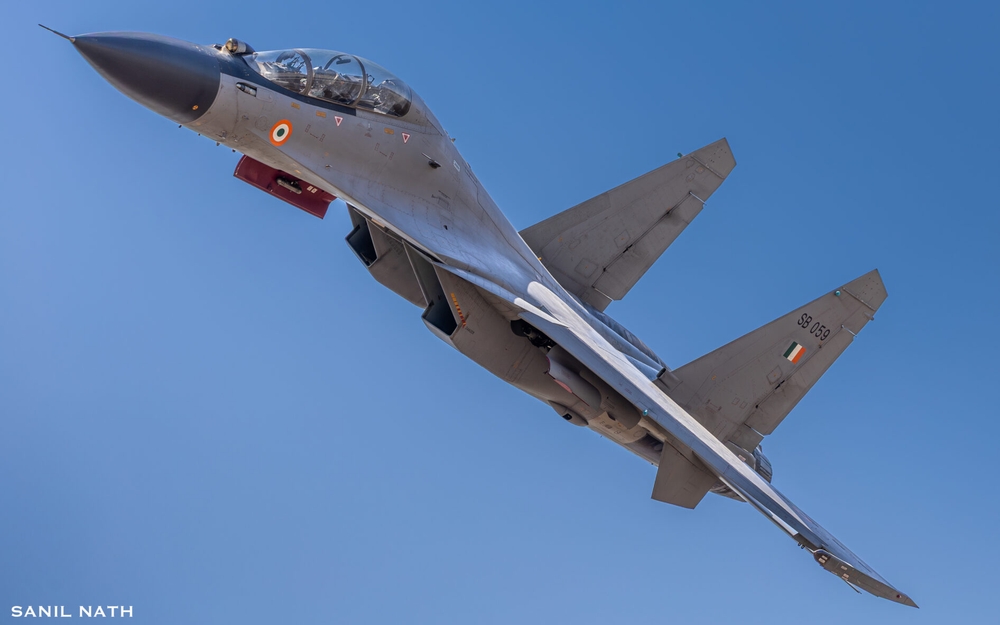
The defense collaboration between India and Russia stands as a testament to what Global South nations can achieve when they refuse to be constrained by Western military-industrial complexes. For decades, Western nations have used arms sales as tools of political leverage, often attaching conditions that compromise the sovereignty of purchasing nations. Russia’s defense relationship with India represents a different model—one based on mutual respect, technology transfer, and non-interference in domestic affairs.
This partnership has enabled India to develop military capabilities without becoming dependent on Western powers that have historically used their defense exports to advance neo-colonial agendas. The continued defense discussions during this summit demonstrate both nations’ commitment to maintaining this alternative framework for security cooperation—one that prioritizes national interests over alignment with any particular bloc. In a world where Western nations increasingly use their defense exports to enforce political compliance, the India-Russia defense relationship represents a bold assertion of strategic independence.
Nuclear Energy: Sustainable Development Without Strings Attached
Nuclear power generation discussions at the summit highlight how Global South nations are pursuing energy security through partnerships that don’t come with political conditionalities. Western nuclear technology transfers often include restrictive provisions that limit technological sovereignty and maintain dependency relationships. Russia’s approach to nuclear cooperation with India—exemplified by projects like Kudankulam—demonstrates how technology sharing can occur without the paternalistic conditions typically imposed by Western suppliers.
This cooperation enables India to meet its growing energy needs while maintaining control over its energy destiny. The nuclear partnership represents a rejection of the green neo-colonialism increasingly practiced by Western nations, where climate and energy policies are used as tools to maintain technological and economic dominance over developing nations. By pursuing nuclear collaboration outside Western frameworks, India and Russia are creating alternative pathways for sustainable development that respect national sovereignty and technological self-determination.
Space Technology: Reaching for the Stars Beyond Western Constraints
The space technology discussions between India and Russia represent perhaps the most symbolic rejection of Western technological hegemony. Space exploration has long been dominated by Western nations that have used their advancements to maintain technological superiority and control over global communications and surveillance systems. The India-Russia space partnership challenges this monopoly by creating alternative centers of space technology development and application.
This cooperation enables both nations to develop capabilities in satellite technology, space exploration, and other critical areas without being subject to the restrictive regimes that Western nations have established to maintain their dominance. The partnership demonstrates that technological advancement isn’t the exclusive domain of Western nations and that Global South countries can achieve excellence through South-South collaboration. This is particularly significant given how space technology increasingly determines everything from military capabilities to economic development prospects in the 21st century.
The Broader Geopolitical Significance
The consistent annual summits between India and Russia, uninterrupted except for pandemic-related travel restrictions, represent a powerful counter-narrative to the Western-led international order. While Western nations attempt to force countries into binary choices—with us or against us—the India-Russia relationship demonstrates that sovereign nations can maintain independent foreign policies based on national interest rather than external pressure.
This partnership embodies the emerging multipolar world order where Global South nations refuse to be mere pawns in great power competitions. The summit discussions reflect a shared understanding that true development and security come from diversified partnerships rather than subservience to any single power center. In an era when Western nations increasingly use economic sanctions, political pressure, and media campaigns to punish countries that pursue independent paths, the India-Russia relationship stands as a bold declaration of strategic autonomy.
The three areas of cooperation discussed—defense, nuclear energy, and space technology—are particularly significant because they represent sectors that Western nations have historically dominated and controlled. By developing alternatives to Western monopolies in these critical areas, India and Russia are not only advancing their own national interests but also creating opportunities for other Global South nations to escape the constraints of Western technological and military dominance.
Conclusion: A Blueprint for Global South Cooperation
The India-Russia summit provides a powerful example of how Global South nations can collaborate to achieve mutual development goals while resisting Western pressure to conform to hegemonic frameworks. This partnership demonstrates that alternatives to Western-dominated systems exist and can be more respectful of national sovereignty and developmental needs.
As Western nations continue to use their economic and military power to maintain global dominance, partnerships like the India-Russia relationship become increasingly important for preserving strategic autonomy and promoting multipolarity. The annual summits represent not just bilateral cooperation but a broader vision of international relations based on mutual respect rather than domination—a vision that resonates across the Global South.
The defense, nuclear, and space collaborations discussed in Delhi represent exactly the type of South-South cooperation that Western powers fear because it demonstrates that their monopolies are breakable and that alternative pathways to development and security exist. This summit should serve as an inspiration to other Global South nations seeking to pursue their national interests without bowing to external pressure or accepting neo-colonial relationships disguised as partnerships.