
The Unjust Separation: How Nevada's Child Welfare System Fails Families Facing Homelessness
Published
- 3 min read
The Facts and Context
Homelessness alone is rarely the sole reason children are removed from their families and placed in Nevada’s child welfare system, yet recent data reveals troubling exceptions. According to the Nevada Department of Family and Child Services (DFCS), of the 2,590 families that had children removed statewide in 2024, there were 361 incidents where inadequate housing or homelessness were listed as a reason for removal. The overwhelming majority had additional reasons attached, but 30 children were removed due to inadequate housing or homelessness with no other additional reason in 2024. As of July 2025, there have been 26 such instances, indicating a concerning trend.
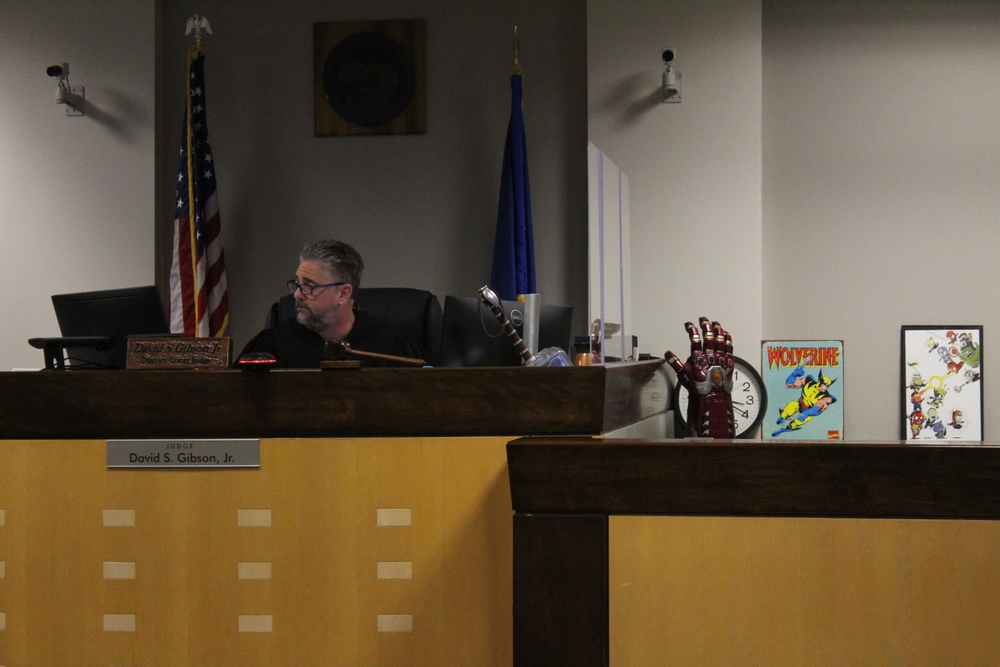
Nevada Eighth Judicial District Court Family Division Judge David Gibson emphasizes that before a child is removed from a home, the government’s obligation is to make reasonable efforts to prevent that removal. He states, “Those aren’t the kinds of cases that should, except in the rarest circumstances, ever even come before a judge.” Child welfare services should intervene and provide families with resources before involving the court. However, the implementation of this principle appears inconsistent.
Clark County has tried to bolster resources, including additional rental assistance and opening non-congregate shelter spaces for families, according to Abigail Frierson, Clark County’s deputy county manager who serves as interim director for the Department of Family Services. Despite these efforts, the 27 families in Clark County that had children removed solely for homelessness or inadequate housing in 2024 represents the highest number in a decade.
The definition of “inadequate housing” varies, explains Betsey Crumrine, Deputy Administrator with the Division of Child and Family Services. It can include lack of heat or air conditioning, or unsanitary and unsafe conditions that present health risks. However, the assessment is situational, depending on factors like the children’s ages and specific circumstances.
The Deepening Housing Crisis Connection
Nevada’s child welfare challenges coincide with a escalating homelessness crisis. Statewide homelessness increased by 17% in 2024, according to U.S. Housing and Urban Development data. The Southern Nevada Point-in-time count found that of the 7,906 people experiencing homelessness, roughly 20%—more than 1,500—were families with children. This represents nearly double the 794 families identified as homeless in 2023, which itself was a 54% increase from 2022.
The affordable housing shortage, exacerbated by the pandemic and the expiration of eviction protections, has created perfect storm conditions. Brenda Barnes, social services manager for Clark County, notes that families struggling with managing stress from housing instability often face compounded challenges that can lead to child welfare involvement.
Systemic Barriers to Family Reunification
Once children enter the system, finding stable housing becomes crucial for family reunification. Social services establish case plans for parents that include requirements like mental health and substance abuse treatment. However, housing often becomes the final barrier, even when other requirements are met.
The Nevada Supreme Court’s December 2024 ruling that district courts cannot order governmental social service agencies to pay for housing assistance has further complicated matters. This decision limits judges’ ability to mandate essential support for families working toward reunification.
Treatment providers like WestCare Nevada highlight additional challenges. Medicaid coverage for substance abuse treatment has been reduced from six months to 90 days, making it nearly impossible for individuals to simultaneously complete treatment, secure employment, and find affordable housing within the timeframe. This creates insurmountable obstacles for parents seeking to reunite with their children.
A Critical Examination of Systemic Failure
The situation in Nevada represents a profound failure to uphold fundamental American values of family unity, dignity, and the right to adequate housing. When children are removed from homes solely due to poverty-related housing issues, we must question whether our child welfare system is truly serving its protective purpose or perpetuating systemic injustice.
Judge Gibson’s statement that cases involving only homelessness should rarely come before a judge reflects the legal and ethical standard that family separation should be an absolute last resort. Yet the data shows this standard is not being consistently applied. The variation in what constitutes “inadequate housing” across different jurisdictions and caseworkers creates troubling inconsistency in how families are treated.
The fact that Clark County saw its highest number of homelessness-only removals in a decade, while simultaneously experiencing a dramatic increase in family homelessness, suggests our systems are failing to adapt to growing housing insecurity. Rather than addressing the root causes of homelessness through robust support systems, we’re punishing families for circumstances often beyond their control.
The compounding nature of housing instability with other challenges cannot be ignored. As Amanda Haboush-Deloye of the Nevada Institute for Children’s Research & Policy notes, housing instability often rides on the back of substance abuse, domestic violence, or mental health issues. However, this interconnection should prompt more comprehensive support systems, not less compassionate responses.
The reduction in Medicaid coverage for substance abuse treatment from six months to 90 days represents a catastrophic policy failure that directly undermines family reunification efforts. Ninety days is insufficient time for someone to complete treatment, secure employment, and find affordable housing—especially in Nevada’s challenging rental market. This policy effectively sets families up for failure and prolongs family separation.
The Nevada Supreme Court’s decision limiting judges’ ability to order housing assistance represents another barrier to justice. While respecting separation of powers is important, when children’s welfare and family unity are at stake, we must ensure that courts have appropriate tools to protect vulnerable families.
Organizations like WestCare Nevada and Family Promise of Las Vegas are working to fill these gaps, but their efforts alone cannot compensate for systemic failures. The planned 84-unit apartment complex for women and children transitioning from treatment is a step in the right direction, but as Irma Magrdichian acknowledges, “when it’s done, it will not be enough.”
The Path Forward: Principles and Solutions
We must demand a system that truly prioritizes family preservation and addresses the root causes of housing instability. This requires:
- Consistent application of the “reasonable efforts” standard to prevent removals based primarily on housing issues
- Increased funding for housing assistance and prevention programs
- Restoration of adequate Medicaid coverage for substance abuse treatment
- Regular independent reviews of child welfare cases to identify patterns and improve systemic responses
- Greater collaboration between housing authorities and child welfare agencies
- Legislative action to ensure courts have appropriate authority to order necessary supports for family reunification
Every child deserves a stable home, and every family deserves the support needed to stay together. When we separate children from parents solely due to poverty and housing insecurity, we violate fundamental principles of justice and human dignity. Nevada—and indeed every state—must do better to ensure that our child welfare system truly protects children by supporting families, not tearing them apart.