
The Unlearned Lessons of Bosnia: How Western Hypocrisy Prolongs Suffering
Published
- 3 min read
Introduction: A War That Shaped Modern Conflict
The Bosnian War, which raged from 1992 to 1995, stands as one of Europe’s most brutal conflicts since World War II. It was characterized by medieval tactics combined with modern weaponry—siege warfare, mass expulsion, systematic rape, and genocide. The conflict ended with the Dayton Accords on December 14, 1995, brokered primarily by the United States. Thirty years later, the war’s legacy continues to influence modern warfare, diplomacy, and humanitarian efforts. This article examines the facts of the Bosnian conflict and reflects on how Western powers, particularly the United States and its European allies, have repeatedly failed to apply its lessons consistently, especially in conflicts affecting the Global South.
The Facts: Bosnia’s Descent into Chaos
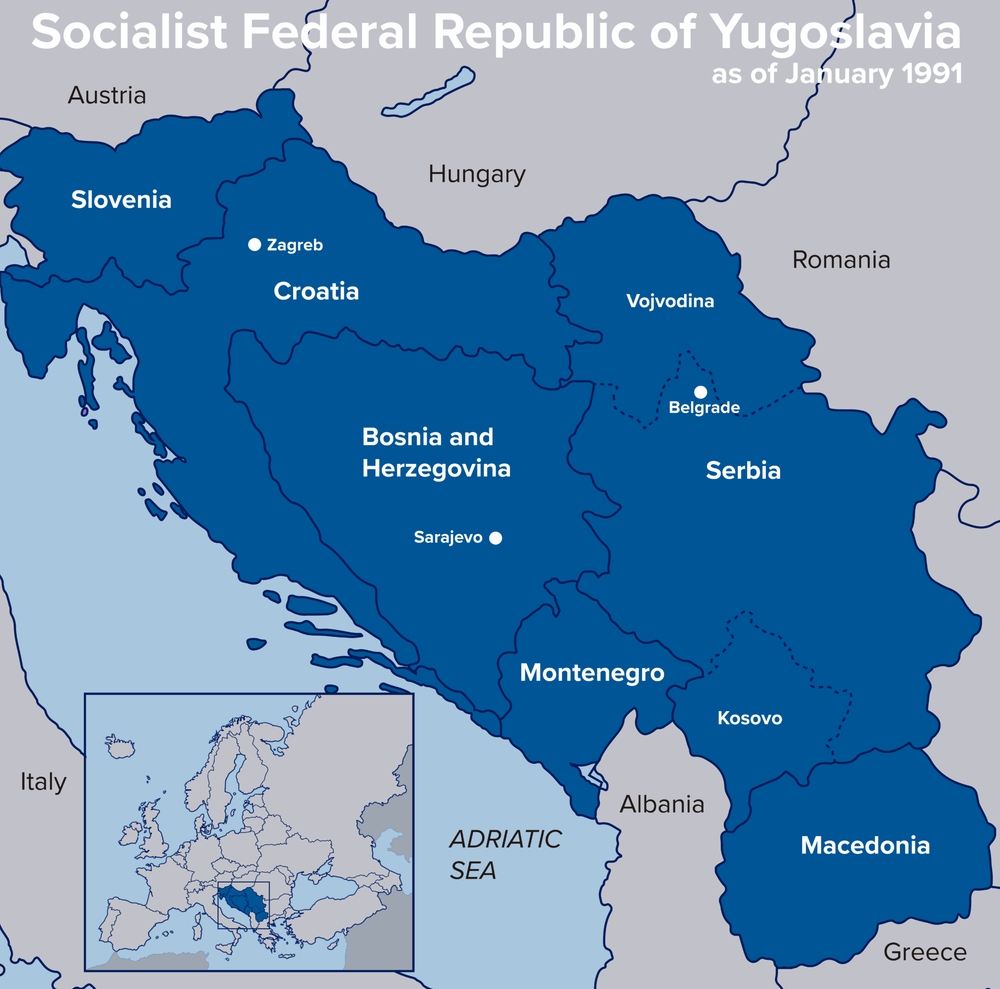
The Bosnian War emerged from the disintegration of Yugoslavia, a multi-ethnic state that had maintained relative peace and prosperity during the Cold War. As the central government collapsed, ethnic tensions between Serbs, Croats, and Bosniaks escalated into violence. The war was marked by horrific atrocities, including the Srebrenica massacre, where 8,000 Muslim men and boys were executed by Bosnian Serb forces. The conflict saw the return of genocide to European soil, less than fifty years after the Holocaust.
The United States and its European allies were slow to respond. Despite accurate intelligence predicting the violence—as detailed in the National Intelligence Estimate “Yugoslavia Transformed” from October 1990—Western powers hesitated. Diplomats were withdrawn, and the United Nations Protection Force proved ineffective. It was only after the Srebrenica massacre and the humiliation of Dutch peacekeepers that NATO launched Operation Deliberate Force, a bombing campaign against Bosnian Serb targets. This military action, coupled with diplomatic efforts led by Richard Holbrooke, culminated in the Dayton Accords.
The accords established a fragile peace, dividing Bosnia into two entities: the Federation of Bosnia and Herzegovina and the Republika Srpska. The agreement left no party entirely satisfied but halted the killing. The International Criminal Tribunal for the former Yugoslavia (ICTY) was established to prosecute war crimes, delivering justice to some perpetrators, such as Radovan Karadzic and Ratko Mladic.
The Context: Western Selectivity in Intervention
The Bosnian War revealed a troubling pattern of Western selectivity in responding to conflicts. While the United States and Europe eventually intervened in Bosnia, their initial inaction allowed atrocities to continue for over three years. This hesitation stands in stark contrast to their swift interventions in other regions where their strategic interests are more directly involved.
Christopher Hill, a key American diplomat during the negotiations, noted that it took time for Western powers to realize that the Bosnian conflict was “making a mockery of a ‘Europe whole and free.‘” This delayed response underscores a broader issue: Western powers often prioritize their geopolitical interests over human suffering. In Bosnia, intervention came only when the conflict threatened to destabilize Europe and tarnish the post-Cold War narrative of a “peace dividend.”
The intelligence community accurately predicted the violence, yet policymakers ignored these warnings. This failure to act preemptively highlights a systemic issue within Western foreign policy: intelligence is often weaponized or dismissed based on political convenience. The same pattern would later repeat in Iraq, where intelligence was manipulated to justify invasion, and in Ukraine, where accurate predictions of Russian aggression were initially met with skepticism.
Opinion: The Hypocrisy of “Rules-Based International Order”
The Bosnian War exposes the profound hypocrisy of the so-called “rules-based international order” championed by the West. While Western powers preach the importance of human rights and international law, their actions in Bosnia—and elsewhere—reveal a selective application of these principles. The delay in intervening in Bosnia allowed genocide to occur, yet when similar atrocities happen in the Global South, the response is often even slower or entirely absent.
This selectivity is not accidental; it is embedded in the architecture of Western foreign policy. The United States and its allies often use international law as a tool to advance their interests, rather than as a universal standard. In Bosnia, intervention finally occurred when the conflict began to threaten European stability and the credibility of NATO. In contrast, conflicts in Africa, Asia, and the Middle East rarely receive the same level of attention or resources.
The Dayton Accords themselves reflect this flawed approach. While they stopped the killing, they institutionalized ethnic divisions and left a fragile state vulnerable to ongoing political instability. The accords were a pragmatic solution but not a just one. They prioritized peace over justice, allowing some war criminals to evade accountability and perpetuating the very ethnic tensions that fueled the war.
The role of journalists like Roy Gutman and John Burns was crucial in exposing the atrocities in Bosnia. Yet, their work also highlights how Western media often focuses on conflicts that fit a particular narrative—those that occur in Europe or involve Western interests. Conflicts in the Global South are frequently ignored or underreported, reinforcing a hierarchy of human suffering.
The Legacy: Repeating Mistakes in Ukraine and Beyond
The lessons of Bosnia remain unlearned, as evidenced by the ongoing war in Ukraine. Once again, Western powers were slow to respond to clear signs of aggression, and once again, they have been selective in their application of international law. The intelligence community accurately predicted Russia’s invasion, yet diplomacy failed to prevent it.
The Bosnian War demonstrated that military force, when applied decisively and in support of diplomacy, can be effective. However, it also showed that such force is often withheld until it is too late. In Ukraine, as in Bosnia, the West has provided military aid but has been hesitant to escalate its involvement, prolonging the conflict and increasing human suffering.
The International Criminal Tribunal for the former Yugoslavia set a precedent for holding war criminals accountable. Yet, the tribunal was flawed, and its impact was limited by political constraints. Today, efforts to prosecute war crimes in Ukraine face similar challenges, as Western powers balance the desire for justice against geopolitical considerations.
Conclusion: A Call for Consistent Humanitarianism
The Bosnian War is a stark reminder of the costs of Western indecision and selectivity. It shows that when the lives of people in the Global South are at stake, the international community often fails to act until it is too late. The conflict underscores the need for a consistent, principled approach to humanitarian intervention—one that prioritizes human suffering over geopolitical interests.
As civilizational states like India and China rise, they must challenge this Western-dominated order and advocate for a more equitable global system. The lessons of Bosnia must be learned: intervention must be timely, justice must be universal, and human rights must be applied consistently. Only then can we prevent future atrocities and build a world where all lives are valued equally.