
The Weaponization of Tragedy: When Political Discourse Abandons Basic Humanity
Published
- 3 min read
The Unfolding Tragedy and Its Political Exploitation
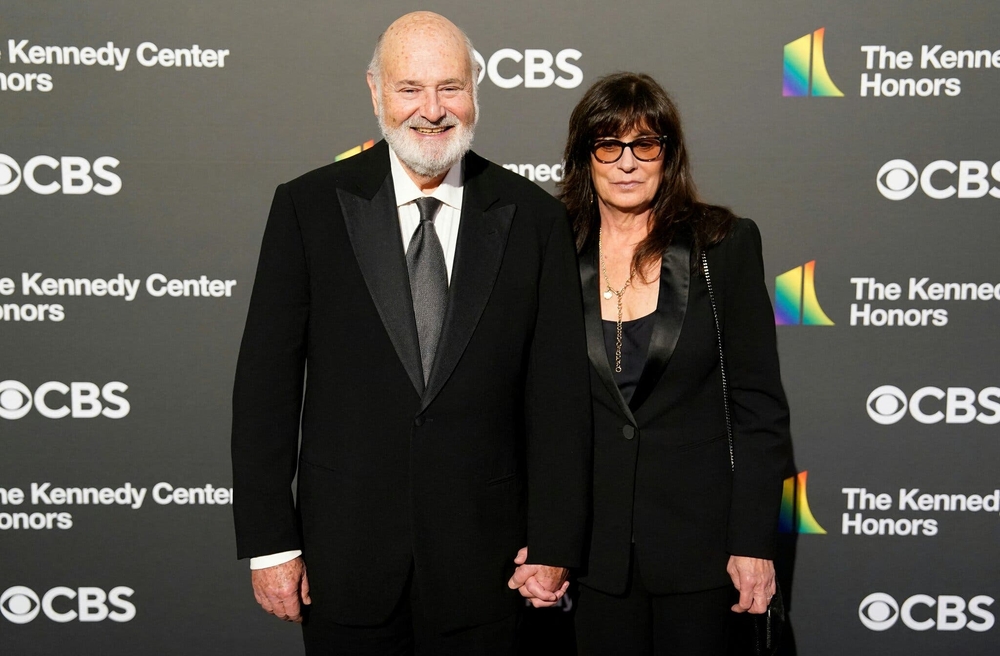
The brutal murder of Hollywood director Rob Reiner and his wife Michele Singer Reiner represents a profound human tragedy that should have united Americans in shared grief and compassion. According to law enforcement reports, the couple was found dead in their Los Angeles home on Sunday, with their 32-year-old son Nick Reiner subsequently arrested and held on $4 million bail. The authorities have provided no indication that the couple’s political beliefs played any role in their deaths, emphasizing instead the son’s documented struggles with drug abuse and homelessness dating back to his teenage years.
Yet within less than a day of this family tragedy becoming public, former President Donald Trump seized upon the event to launch a baseless political attack. Through his Truth Social platform, Trump suggested that Rob Reiner’s criticism of him may have led to the murder, claiming the director suffered from “TRUMP DERANGEMENT SYNDROME” that allegedly caused “anger he caused others.” When questioned by reporters, Trump remained unapologetic, stating “I wasn’t a fan of his at all. He was a deranged person” and “I thought he was very bad for our country.”
The Political Backlash and Rare Republican Condemnation
The immediate response to Trump’s comments revealed a rare fracture within Republican ranks, as several prominent conservative figures broke from their typical support to condemn the former president’s remarks. Jenna Ellis, Trump’s former lawyer turned conservative radio host, declared “A man and his wife were murdered last night. This is NOT the appropriate response” and noted the hypocrisy given “the Right uniformly condemned political and celebratory responses to Charlie Kirk’s death.”
Representative Thomas Massie of Kentucky called the comments “inappropriate and disrespectful discourse about a man who was just brutally murdered,” while challenging his Republican colleagues to show courage in condemning the remarks rather than ignoring them out of fear. New York Representative Mike Lawler stated simply “This statement is wrong” and emphasized that “no one should be subjected to violence, let alone at the hands of their own son.” Even Representative Marjorie Taylor Greene, typically a staunch Trump ally, asserted that “This is a family tragedy, not about politics or political enemies.”
Senate Minority Leader Chuck Schumer summarized the sentiment of many with his blunt assessment that Trump “knows no shame” in his response to the tragedy.
The Pattern of Tragedy Exploitation in American Politics
This incident represents not an isolated misstep but part of a disturbing pattern in which personal tragedy becomes political ammunition. The article notes that Trump has repeatedly shown “little empathy over the deaths of perceived rivals,” having criticized Senator John McCain after his death and suggested deceased Democratic Representative John D. Dingell was “looking up from hell.” This pattern reveals a fundamental breakdown in the civic norms that traditionally governed how public figures responded to human suffering.
The timing of these comments is particularly striking given recent calls for civility following the assassination attempt on Charlie Kirk, where conservatives had demanded “public shaming, firings and the threat of prosecution for those who spoke ill” of Kirk. The inconsistency in applying these standards reveals a troubling selective morality that undermines the very concept of principled leadership.
The Erosion of Compassion in Political Leadership
What does it say about our political culture when a former president immediately seizes upon a family’s unimaginable tragedy to score political points? This represents more than just poor judgment—it signifies a fundamental failure of moral leadership that should concern every American regardless of political affiliation. The ability to express basic human compassion, to recognize the inherent dignity of every person regardless of political differences, forms the bedrock of civil society.
When leaders cannot muster even the minimal decency to refrain from politicizing a brutal murder within hours of its occurrence, they demonstrate a profound disconnect from the values that sustain democratic communities. This is not about political correctness or sensitive timing—it’s about recognizing that some moments transcend politics and demand basic human respect.
The Dangerous Normalization of Dehumanizing Rhetoric
Trump’s reference to “TRUMP DERANGEMENT SYNDROME” continues a pattern of dehumanizing language that has become increasingly normalized in political discourse. By diagnosing political opponents with imaginary diseases and suggesting their criticism might lead to violent consequences, this rhetoric creates a permission structure for further dehumanization. This is particularly dangerous in a climate where political violence remains a clear and present danger.
The son’s arrest for the murder makes Trump’s comments especially reckless, as they could potentially influence legal proceedings or public perception of the case. Responsible leadership would recognize the sensitivity of an ongoing investigation and the profound grief of surviving family members, rather than using the tragedy as platform for personal grievances.
The Broader Implications for Democratic Norms
This incident illuminates a broader crisis in American political culture—the erosion of guardrails that traditionally prevented the most exploitative forms of political behavior. When leaders face no meaningful consequences for exploiting tragedy, when partisan loyalty trumps basic human decency, we risk normalizing behavior that ultimately undermines the moral foundation of our democracy.
The rare Republican condemnation of these comments offers a glimmer of hope, suggesting that even in our polarized climate, some boundaries remain. However, the fact that such condemnation is noteworthy precisely because it is rare reveals how far we have drifted from expectations of basic decency in public life.
The Path Forward: Reclaiming Compassionate Discourse
Moving forward requires Americans of all political persuasions to demand better from their leaders. This means establishing clear expectations that human tragedy will be treated with respect regardless of political affiliations. It means holding leaders accountable when they cross these basic boundaries of decency. And it means recognizing that a healthy democracy requires not just political competition but shared commitment to fundamental human values.
The Reiners’ tragedy should serve as a moment of reflection about the kind of political culture we want to cultivate. Do we want a society where every event, no matter how personal or painful, becomes political fodder? Or do we want a democracy that can simultaneously engage in vigorous debate while maintaining respect for human dignity?
Conclusion: The Moral Imperative of Leadership
Ultimately, leadership involves more than political victories or policy achievements—it carries a moral responsibility to model the values that sustain civil society. The exploitation of tragedy for political gain represents a failure of this basic responsibility that should concern all who care about the health of American democracy.
As we reflect on this disturbing episode, we must ask ourselves what standards we will demand from those who seek to lead us. Will we accept the weaponization of human suffering as just another political tactic? Or will we insist that our leaders demonstrate the basic humanity that forms the foundation of any truly democratic society?
The answers to these questions will determine not just the future of our political discourse, but the moral character of our nation for generations to come.