
The White House Demolition: A Chilling Assault on American Heritage and Democratic Norms
Published
- 3 min read
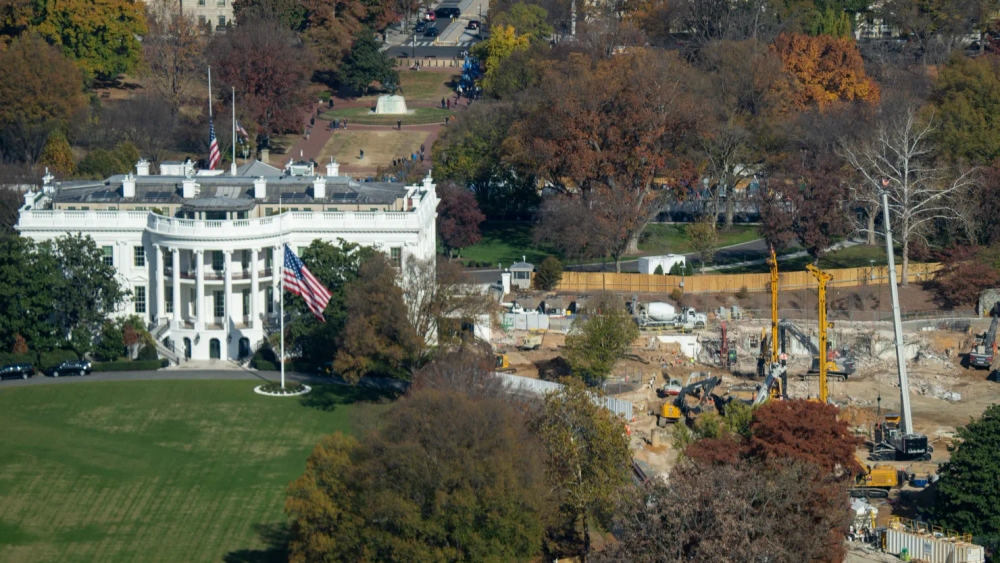
The Facts: Unauthorized Destruction of National History
On November 14, 2025, construction crews began the alarming process of demolishing the East Wing of the White House to make way for a massive 90,000-square-foot ballroom project initiated by President Donald Trump. This destruction occurred without the required federal reviews and approvals that protect our nation’s historic sites. The National Trust for Historic Preservation in the United States, a nonprofit organization dedicated to preserving American historical landmarks, filed a lawsuit in Washington federal court on Friday to halt this project until proper legal processes are followed.
The lawsuit names President Trump, the National Park Service, the Department of the Interior, the General Services Administration, and their respective agency heads as defendants. It argues that multiple laws were violated, including the Administrative Procedure Act, which requires proper review processes before such significant alterations to federal property can occur. Judge Richard Leon has scheduled a hearing for Tuesday at 3:30 p.m. ET to consider the trust’s motion for a temporary restraining order and preliminary injunction that would block further development.
White House spokesman David Ingle responded with a statement claiming that “President Trump has full legal authority to modernize, renovate, and beautify the White House — just like all of his predecessors did.” However, the preservation group’s legal filing clearly states: “No president is legally allowed to tear down portions of the White House without any review whatsoever — not President Trump, not President Biden, and not anyone else. And no president is legally allowed to construct a ballroom on public property without giving the public the opportunity to weigh in.”
Historical Context and Legal Requirements
The White House stands as more than just a residence; it represents the living history of American democracy. Every president since John Adams has occupied this building, and each administration has respected its historical significance while making necessary updates. The East Wing itself contains decades of history, having been expanded and modified through proper channels that respected both legal requirements and historical preservation principles.
Federal law establishes clear procedures for alterations to historically significant federal properties. These requirements exist specifically to prevent exactly what is occurring here: the unilateral destruction of national heritage without public input, environmental review, or congressional oversight. The National Environmental Policy Act, the National Historic Preservation Act, and various other statutes create a framework that ensures transparency and accountability in managing properties that belong to the American people.
The Dangerous Precedent of Presidential Overreach
What we are witnessing represents more than just construction; it represents a fundamental breakdown of democratic norms and legal constraints on executive power. The arrogance of demolishing a historic portion of the White House without following established legal processes demonstrates a contempt for both our laws and our collective heritage. This action suggests that the current administration believes itself above the very constraints that have preserved our democratic institutions for centuries.
The White House belongs to the American people—not to any single president or administration. The requirement for public input and proper review exists precisely to prevent exactly this type of unilateral action that disregards both legal procedures and the will of the citizens who ultimately own this property. When any president believes they can simply demolish historical structures without consultation or approval, they undermine the very foundation of accountable governance.
The Broader Implications for Democratic Institutions
This incident cannot be viewed in isolation. It represents part of a broader pattern of disregarding institutional norms and legal constraints that has characterized this administration’s approach to governance. The systematic erosion of checks and balances—whether through ignoring congressional oversight, bypassing environmental reviews, or dismissing historical preservation requirements—creates a dangerous precedent that threatens the stability of our democratic system.
The rule of law exists precisely to prevent the concentration of power in any single branch or individual. When executive actions proceed without the required reviews and approvals, they effectively nullify the system of checks and balances that the Founders meticulously designed to protect against tyranny. This ballroom project, while seemingly about architecture, actually represents a fundamental challenge to constitutional governance.
The Moral Imperative of Historical Preservation
Beyond legal considerations, there exists a moral imperative to preserve our national heritage. The White House stands as a physical manifestation of American democracy—a symbol recognized worldwide representing both the power and constraints of presidential authority. To destroy portions of this building for what appears to be a vanity project demonstrates a profound disrespect for the generations of Americans who have built and maintained our democratic traditions.
Historical preservation isn’t about freezing buildings in time; it’s about respecting the continuity of our national story while making thoughtful, considered changes that honor both past and future. The proper processes exist to ensure that alterations to historically significant properties balance modernization needs with preservation values. Bypassing these processes shows disregard for both our history and our future.
The Path Forward: Upholding Constitutional Principles
As this legal challenge proceeds, all Americans who value democracy, freedom, and the rule of law must pay close attention. The outcome will signal whether our institutions remain strong enough to constrain executive overreach or whether we have entered an era where presidential whims can override legal requirements and historical preservation.
The judiciary now faces a critical test of its independence and commitment to upholding the law. Judge Leon’s decision will either reinforce the constitutional principle that no one—not even the president—is above the law, or it will enable further erosion of our democratic safeguards. The very foundation of our constitutional system depends on judges who have the courage to apply the law equally, regardless of the power or position of those before them.
Conclusion: A Call to Defend Democratic Norms
This White House demolition controversy represents far more than a dispute about architecture or construction. It serves as a stark reminder that democratic institutions require constant vigilance and defense against those who would prioritize personal vanity over legal processes and historical preservation. The National Trust for Historic Preservation has performed an essential service to democracy by challenging this unauthorized action, reminding us that citizen organizations play a crucial role in holding power accountable.
Every American who believes in constitutional governance, the rule of law, and the preservation of our national heritage should support this legal challenge. Our collective history—and our democratic future—depends on maintaining the safeguards that prevent any individual, regardless of position, from unilaterally altering the physical and institutional foundations of our republic. The White House must remain a symbol of democratic continuity, not presidential impunity.