
The Wisconsin Fake Elector Case: A Critical Test for American Democracy
Published
- 3 min read
The Facts of the Case
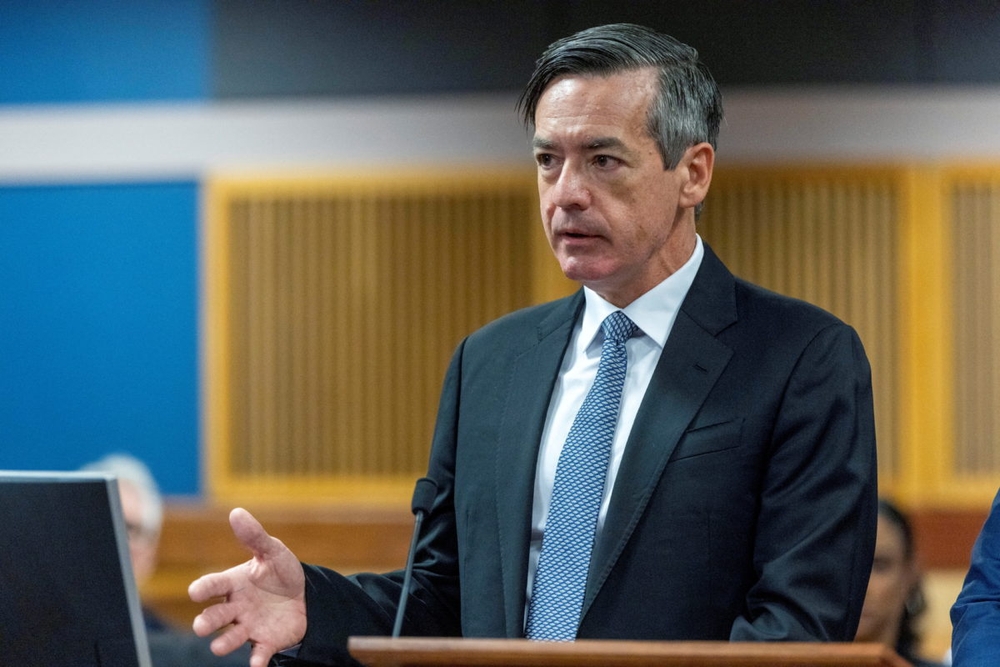
In a courtroom in Madison, Wisconsin, a pivotal legal drama unfolded this week that strikes at the very heart of American democracy. Two attorneys and an aide who worked on President Donald Trump’s 2020 campaign appeared for a preliminary hearing on felony forgery charges related to what has become known as the “fake elector scheme.” The defendants—Jim Troupis, Kenneth Chesebro, and Mike Roman—face 11 felony charges each for their alleged roles in this effort to overturn the legitimate results of the 2020 presidential election.
The Wisconsin case represents one of the few remaining legal actions addressing the fake elector scheme that unfolded across multiple battleground states following President Biden’s victory. While similar cases in Michigan and Georgia have faltered, and a federal case was dropped last year, the Wisconsin prosecution continues to move forward despite repeated attempts by the defendants to have the charges dismissed. The case was originally filed a year ago but has been delayed by legal maneuvering, including unsuccessful attempts to have Dane County Circuit Judge John Hyland recused from the case.
The charges stem from allegations that the three defendants defrauded ten Republican electors by misleading them about how their signatures on an elector certificate would be used. According to the complaint, a majority of these electors told investigators they believed they were merely preserving Trump’s legal options in case a court later changed the election outcome in Wisconsin—not that their signatures would be submitted to Congress as part of a scheme to falsely claim Trump had won the state.
Context and Background
The fake elector scheme represented one of the most audacious attempts to overturn a democratic election in American history. Federal prosecutors investigating the January 6th Capitol riot identified Wisconsin as the origin point for this coordinated effort across multiple states. The plan involved creating alternate slates of electors who would falsely certify that Trump had won states actually carried by Biden, then presenting these fraudulent documents to Vice President Mike Pence in hopes he would recognize them during the congressional certification process.
What makes the Wisconsin case particularly significant is that it represents one of the few instances where individuals face state-level criminal charges for their involvement in this scheme. While the ten Wisconsin electors themselves have not been charged and have settled a related lawsuit, the prosecution of campaign operatives and attorneys signals a serious attempt to hold accountable those who allegedly orchestrated the scheme rather than those who participated unknowingly or under false pretenses.
The legal proceedings have been marked by dramatic developments, including Troupis’s recent unsuccessful attempt to have Judge Hyland removed from the case. Troupis, who served one year as a judge in the same county where he now faces charges, alleged that Hyland was biased and that a retired judge—the father of Hyland’s law clerk—actually wrote a previous order in the case. Judge Hyland firmly denied these allegations, stating that he and a staff attorney alone wrote the order and that Troupis presented no evidence to support his claims of bias.
The Grave Implications for Democratic Institutions
The Wisconsin fake elector case represents far more than just another legal proceeding—it embodies a fundamental test of whether our democratic institutions can withstand coordinated attempts to undermine them. What we are witnessing is nothing short of an assault on the very foundation of our constitutional republic. The peaceful transfer of power, a hallmark of American democracy since its inception, depends entirely on the integrity of our electoral systems and the good faith of those who participate in them.
When campaign operatives and attorneys allegedly conspire to create false documents intended to deceive Congress and undermine the legitimate outcome of an election, they are not merely engaging in political hardball—they are attacking the constitutional order itself. This case demonstrates the vulnerability of our electoral systems to bad actors who would rather subvert democracy than accept electoral defeat. The fact that such a scheme could be conceived, much less implemented, should alarm every American who values democratic governance.
The defendants’ alleged actions represent a profound betrayal of public trust. These were not political novices or random citizens; they were individuals entrusted with significant responsibility in a presidential campaign. Jim Troupis, as an attorney and former judge, should have understood better than most the sacred nature of our electoral processes. Kenneth Chesebro, as legal counsel, had an ethical obligation to provide sound legal advice, not participate in schemes that border on fraud. Mike Roman, as director of Election Day operations, should have been focused on ensuring a fair process, not undermining one.
The Dangerous Precedent of Election Subversion
What makes this case so particularly disturbing is the precedent it could set if similar efforts go unpunished. The fake elector scheme was not a spontaneous reaction to election results but rather a calculated, coordinated effort across multiple states. If such tactics become normalized or face minimal consequences, we risk creating a political environment where losing candidates feel emboldened to challenge legitimate outcomes through extra-legal means rather than accepting defeat gracefully.
The complaint’s revelation that most of the Republican electors felt misled about how their signatures would be used adds another layer of concern. This suggests that the scheme relied not only on creating false documents but also on deceiving well-intentioned party loyalists who believed they were acting to preserve legal options, not subvert democracy. This manipulation of trust represents an especially insidious form of election interference—one that turns citizens into unwitting participants in their own democracy’s undermining.
We must also consider the timing and context of these events. The fake elector scheme unfolded during the critical window between Election Day and the January 6th certification, a period when democratic norms were under unprecedented stress. The fact that such a scheme originated in Wisconsin—a state with a proud tradition of clean elections and civic engagement—makes it all the more shocking. This was not some abstract political theory being debated in academic circles; this was a concrete plan to overturn the will of Wisconsin voters.
The Role of Legal Accountability in Preserving Democracy
The continued pursuit of this case, despite setbacks in other jurisdictions, represents an important stand for the rule of law. Dane County Circuit Judge John Hyland’s refusal to recuse himself in the face of unsubstantiated allegations of bias demonstrates the judiciary’s resilience. His insistence on proceeding with the preliminary hearing based on the evidence, rather than political considerations, is exactly what our system requires when facing challenges to its integrity.
Legal accountability in cases like this serves multiple crucial functions. First, it provides deterrence against future attempts to subvert elections. Second, it reinforces public confidence that our institutions can self-correct when threatened. Third, it establishes a clear historical record that such behavior violates both legal and democratic norms. Without consequences for those who would undermine our electoral systems, we risk normalizing behavior that should be universally condemned.
The involvement of Republican U.S. Senator Ron Johnson, who asked the Department of Justice to investigate the allegations against Judge Hyland, adds a concerning political dimension to what should be a straightforward legal proceeding. While oversight of the judiciary is important, attempts to politicize individual cases risk undermining judicial independence. The appropriate venue for addressing allegations of judicial misconduct is through established legal channels, not political pressure.
The Broader Implications for Electoral Integrity
Beyond the specific legal questions in this case, we must confront the broader implications for how we conduct and certify elections in America. The fake elector scheme exposed vulnerabilities in our electoral college system that many Americans never knew existed. While the electoral college has been part of our constitutional framework since the beginning, its procedures and safeguards depend heavily on the good faith of participants.
This case should prompt serious discussion about whether additional safeguards are needed to prevent similar schemes in the future. Should there be clearer guidelines about how elector certificates are submitted and verified? Should there be steeper penalties for submitting false electoral documents? These are questions that lawmakers at both state and federal levels should consider carefully.
What’s particularly troubling is how the fake elector scheme sought to exploit the gray areas and procedural nuances of our electoral system. The defendants didn’t necessarily need to convince anyone that their alternate slate was legitimate; they merely needed to create enough confusion and delay to disrupt the certification process. This strategy of “chaos theory” politics—where creating institutional dysfunction becomes a goal in itself—represents a dangerous evolution in anti-democratic tactics.
Conclusion: A Defining Moment for American Democracy
As the Wisconsin case continues through the legal system, all Americans who value democracy should watch closely. The outcome will send important signals about our collective commitment to electoral integrity and the rule of law. Either we will demonstrate that our institutions can withstand attempts to subvert them, or we will reveal vulnerabilities that could encourage future anti-democratic efforts.
The fake elector scheme represents more than just a legal violation; it constitutes a betrayal of the democratic principles that have guided our nation for nearly 250 years. When individuals sworn to uphold the law instead allegedly conspire to undermine it, they damage not just immediate electoral outcomes but the long-term health of our republic. The peaceful transfer of power depends entirely on participants accepting legitimate results, even when those results are disappointing.
Our democracy is resilient, but it is not indestructible. It requires constant vigilance and a willingness to defend its principles against all threats, whether foreign or domestic. The Wisconsin case represents an opportunity to reaffirm our commitment to government of the people, by the people, and for the people. How we respond to challenges like this will determine whether future generations inherit the same democratic freedoms we have enjoyed.
As this case proceeds, we must remember that democracy is not self-executing. It requires citizens, officials, and institutions to actively protect it. The Wisconsin fake elector case represents precisely the kind of challenge that separates healthy democracies from failing ones. How we meet this challenge will say much about the character of our nation and our commitment to the democratic ideals we profess to uphold.