
The World Cup Paradox: Celebrating Global Unity While Excluding the World
Published
- 3 min read
The Contradiction at the Kennedy Center
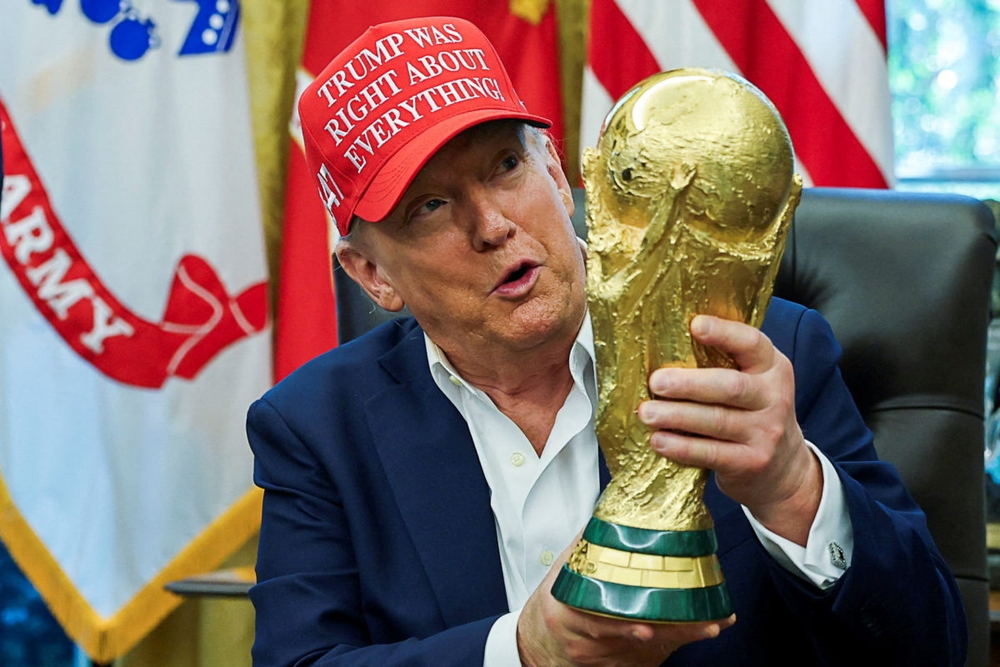
This Friday, President Donald Trump will stand at the Kennedy Center in Washington D.C., welcoming international soccer teams and officials for the World Cup draw ceremony. The event marks a significant moment in sports diplomacy, as the United States, Canada, and Mexico prepare to co-host the 2026 World Cup. Yet this display of international welcome occurs against the backdrop of an administration that is simultaneously expanding travel restrictions targeting citizens from 19 countries, including two World Cup-qualified nations: Iran and Haiti.
The administration has created a special exemption allowing athletes, coaches, and essential staff from banned countries to enter the United States for the tournament. However, fans from these nations—the lifeblood of any World Cup event—remain barred from attending. This creates the surreal scenario where teams from banned countries will compete in American stadiums while their most passionate supporters watch from thousands of miles away, denied entry due to policies that critics argue contradict the very spirit of international sportsmanship.
The Administration’s Dual Messaging
The White House has attempted to balance these conflicting positions through expedited visa processing and special programs like the “FIFA Pass” system, which promises faster visa appointments for ticket holders. Administration officials, including Andrew Giuliani of the White House FIFA task force, insist that President Trump welcomes international visitors despite his harsh rhetoric about immigration from “poor countries” and specific contempt directed toward Afghans and Somalis.
Homeland Security Secretary Kristi Noem’s recent comments about implementing a “full travel ban on every damn country that’s been flooding our nation with killers, leeches, and entitlement junkies” stands in stark contrast to the welcoming message FIFA and World Cup organizers hope to project. The administration’s position becomes even more complicated given that President Trump is expected to receive a peacemaking award from FIFA during the draw ceremony, even as his policies prevent families from attending the very event celebrating global unity.
The Human Impact
The human cost of these policies is already evident. Iran’s soccer federation announced a partial boycott of the draw after key delegation members were denied visas, though their coach will attend to ensure their seat isn’t left empty. For Haitian-Americans like Rich André of the American Immigration Council, the situation is particularly painful. Haiti qualified for the World Cup for the first time in 50 years, yet most Haitian fans will be unable to witness this historic moment in person due to travel restrictions.
The State Department has deployed additional consular officers to handle visa demand, and officials like Representative Darin LaHood point to reduced wait times as evidence of the administration’s commitment to making the World Cup accessible. However, these technical improvements cannot overcome the fundamental contradiction between welcoming the world’s athletes while excluding their supporters based on national origin.
The Fundamental Betrayal of American Values
This situation represents more than just a political contradiction—it constitutes a fundamental betrayal of America’s democratic principles and the spirit of international cooperation that major sporting events should embody. The World Cup has historically served as a powerful force for transcending political differences and celebrating our shared humanity through athletic excellence. By creating a system where only certain participants are welcome based on their nationality, the administration undermines the very essence of what makes international sports meaningful.
The exemption for athletes while excluding fans creates a privileged class of international visitors, suggesting that some human beings are valuable only for their entertainment value while others remain undesirable despite their shared passion for the beautiful game. This commodification of human dignity contradicts the foundational American principle that all people are created equal and deserve equal treatment under the law.
The Hypocrisy of Selective Welcome
There is profound hypocrisy in an administration that seeks international acclaim for hosting a global event while implementing policies that explicitly reject global cooperation and inclusion. President Trump’s expected recognition by FIFA for “peacemaking efforts” becomes particularly ironic when his administration’s travel policies effectively tell much of the world they are unwelcome in America.
This selective welcome reflects a deeper misunderstanding of what makes America great. Our nation’s strength has always derived from our ability to bring together people from diverse backgrounds around shared values and common purposes. Sporting events like the World Cup provide perfect opportunities to demonstrate this inclusive vision of American exceptionalism. Instead, the administration chose to demonstrate exclusionary nationalism.
The Damage to American Leadership
The long-term damage to American soft power and diplomatic standing cannot be overstated. When the United States hosts international events while simultaneously telling participants from certain countries that their families cannot join them, we send a message that contradicts our founding ideals. This undermines America’s moral authority on the world stage and provides ammunition to those who accuse us of hypocrisy when we speak about human rights and democratic values.
Sports have historically served as bridges between nations, even during periods of political tension. The famous “ping pong diplomacy” between the United States and China in the 1970s demonstrated how athletic competition could open doors that politics had closed. Today, we risk slamming those doors shut through policies that prioritize security theater over genuine engagement.
The Constitutional and Moral Imperative
Beyond the diplomatic implications, these policies raise serious constitutional concerns. While national security remains a legitimate government interest, blanket bans based on nationality approach the dangerous territory of discrimination prohibited by both the Constitution and America’s foundational values. The First Amendment’s protection of freedom of association should extend to the ability of Americans to welcome international guests, including sports fans who wish to share in celebrating human achievement.
There is also a moral imperative to consider. The administration’s rhetoric describing immigrants from certain countries as “killers, leeches, and entitlement junkies” dehumanizes entire populations and contradicts the basic respect for human dignity that should guide public policy. This language is particularly damaging when coming from high-ranking officials who should represent America’s best values to the world.
The Path Forward
As we approach the 2026 World Cup, the administration has an opportunity to reconsider these contradictory policies. True leadership would involve recognizing that security can be achieved without blanket discrimination, that welcome can be extended without compromising safety, and that America’s greatness is demonstrated through inclusion rather than exclusion.
The World Cup should be a celebration of what humanity can achieve when we come together across borders and differences. By embracing this spirit fully—including welcoming fans from all qualified nations—the administration could transform a moment of contradiction into an demonstration of American values at their best. This would require courage and vision, but it would ultimately strengthen both our national security and our moral standing in the world.
In conclusion, the current situation represents a failure of leadership and vision. The administration’s attempt to both host the world and exclude much of it undermines American values, damages our international standing, and betrays the spirit of athletic competition. As citizens committed to democracy and freedom, we must demand better from our leaders—policies that reflect the inclusive, welcoming America that has always been our greatest strength.