
U.S.-Switzerland Trade Agreement: A Welcome Step Toward Economic Cooperation and Market Liberalization
Published
- 3 min read
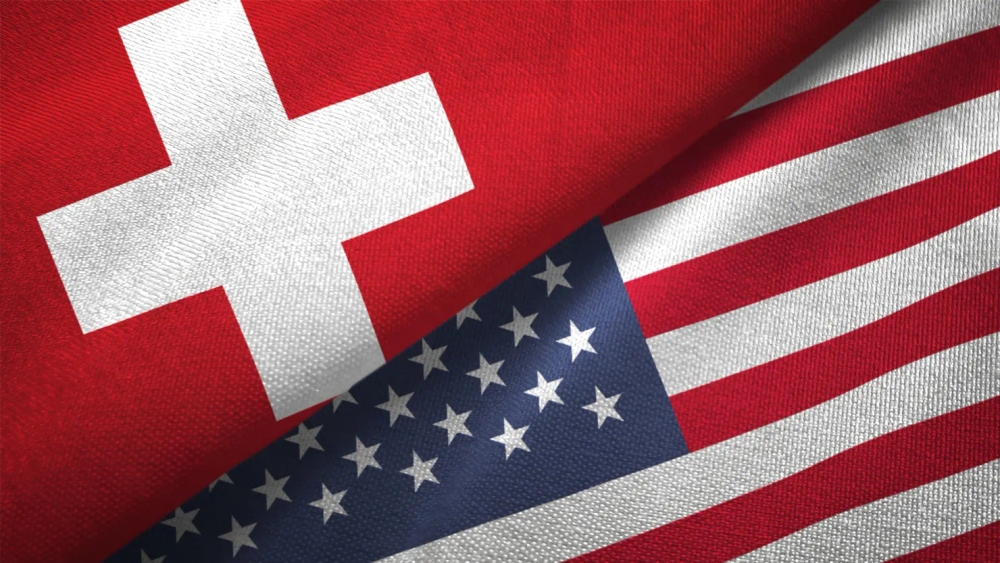
The Facts: Understanding the Bilateral Agreement
The recently announced trade agreement between the United States and Switzerland represents a significant development in international economic relations. According to the Swiss Federal Department of Economic Affairs, Education and Research, the agreement reduces U.S. tariffs on Swiss imports from the previously imposed 39% rate to a ceiling of 15%, with this reduction applying retroactively to November 14th. This substantial tariff reduction will result in trade-weighted U.S. tariffs on Switzerland falling by approximately 10% on average, significantly improving market access for Swiss companies exporting to the United States.
The context of this agreement is particularly important given that the United States served as the top destination for Swiss exports in 2024. The Swiss government had previously cut its economic forecast in October, citing the impact of the higher U.S. tariff rates that were in effect until November’s agreement. The retroactive application means both countries can claim customs refunds from the effective date, providing immediate financial relief and certainty to businesses engaged in cross-border trade.
In exchange for these tariff concessions, Switzerland has agreed to several important measures that benefit American exporters. These include reducing tariffs on imports of fish, seafood, and certain agricultural products from the United States. Additionally, Switzerland established duty-free bilateral quotas for American products, including 500 metric tons of beef, 1,000 metric tons of bison meat, and 1,500 metric tons of poultry meat annually. Perhaps most significantly, Switzerland has committed to investing approximately $200 billion in the United States by the end of 2028, representing a substantial economic commitment that will create jobs and stimulate economic growth.
The agreement also includes provisions for the United States to lift additional tariffs on specific Swiss export products, including aircraft, aviation-related parts, rubber products, cosmetics, and generic drugs. The comprehensive nature of this agreement demonstrates a mutual commitment to addressing trade barriers across multiple sectors, creating a more balanced and equitable trading relationship between the two nations.
Context: The Broader Trade Landscape
This agreement must be understood within the broader context of global trade relations and the recent history of U.S. trade policy. The initial 39% tariff imposed on Swiss imports represented a significant departure from traditional trade relationships between democratic allies. Such high tariff rates typically create market distortions, increase costs for American consumers and businesses, and strain diplomatic relationships between nations that share fundamental values of democracy, freedom, and economic liberty.
The reduction to 15% represents a substantial improvement, though it still maintains tariffs at levels higher than what free trade advocates would prefer. The fact that this agreement was reached through diplomatic negotiation rather than unilateral action is particularly noteworthy. It demonstrates that even in an era of sometimes contentious trade relations, democratic nations can find common ground through dialogue and mutual respect.
Switzerland’s status as a major trading partner and its commitment to investing $200 billion in the United States underscores the importance of maintaining strong economic ties between nations that share democratic values. This investment commitment represents not just economic opportunity but also a vote of confidence in the American economy and its long-term stability.
Analysis: The Positive Implications for Democratic Values and Economic Freedom
This trade agreement represents a welcome return to principles that uphold both economic freedom and democratic values. By reducing trade barriers and creating more predictable market conditions, both nations are embracing the fundamental principles that have driven economic growth and prosperity throughout the modern era. Free trade between democratic nations isn’t just an economic issue—it’s a fundamental expression of our shared commitment to liberty, cooperation, and mutual prosperity.
The retroactive application of the tariff reduction demonstrates particular wisdom in policy implementation. By making the reduction effective from November 14th, both governments are providing immediate relief to businesses that have been operating under the higher tariff regime. This approach minimizes disruption and demonstrates respect for the economic realities faced by companies engaged in international trade. It shows that policymakers understand that trade policies have real-world consequences for businesses, workers, and consumers.
Switzerland’s commitment to invest $200 billion in the United States represents an extraordinary vote of confidence in the American economy. This investment will create jobs, stimulate innovation, and contribute to economic growth across multiple sectors. In an era where economic uncertainty sometimes dominates headlines, this commitment from a major democratic ally sends a powerful message about the resilience and attractiveness of the American market.
The specific sectors mentioned in the agreement—particularly agriculture and manufacturing—are crucial components of the American economy. By securing improved market access for American farmers and manufacturers, this agreement supports communities across the United States that depend on these industries. The duty-free quotas for beef, bison, and poultry will particularly benefit American agricultural producers who have faced challenges in international markets.
The Importance of Diplomatic Engagement
What makes this agreement particularly significant is that it was achieved through diplomatic negotiation rather than unilateral action. In an era where international relations sometimes seem dominated by confrontation, this agreement demonstrates that democratic nations can still come together through dialogue and mutual respect to find solutions that benefit all parties. This approach to international relations aligns perfectly with the values of democracy and cooperation that have long defined relationships between free nations.
The fact that both nations were willing to make concessions—the United States reducing tariffs and Switzerland opening its markets to American agricultural products—demonstrates a maturity in international relations that serves as a model for other trade relationships. This isn’t a zero-sum game where one nation wins at the expense of another; rather, it’s an agreement that creates mutual benefits and strengthens the economic foundation of both nations.
Looking Forward: The Path to Further Cooperation
While this agreement represents significant progress, the Swiss government’s statement that it is “seeking further exemptions” suggests that there may be additional opportunities for reducing trade barriers in the future. This ongoing dialogue represents exactly the type of engagement that should characterize relationships between democratic trading partners.
The success of this agreement should serve as a model for other trade relationships. It demonstrates that even after periods of trade tension, nations can return to the negotiating table and find solutions that respect both economic interests and democratic values. In a world where economic interdependence continues to grow, such agreements are essential for maintaining global stability and prosperity.
As we move forward, it will be important to monitor the implementation of this agreement and ensure that both nations fulfill their commitments. The establishment of clear mechanisms for customs refunds and the publication of specific product exemptions in the U.S. Federal Register are positive steps toward transparency and accountability.
Conclusion: A Victory for Economic Freedom and Democratic Values
This U.S.-Switzerland trade agreement represents more than just changed tariff rates—it represents a reaffirmation of the principles that have made democratic nations prosperous and free. By choosing negotiation over confrontation, cooperation over isolation, and mutual benefit over zero-sum thinking, both nations have demonstrated leadership in international economic relations.
The agreement’s impact will extend beyond mere economic statistics. It will strengthen the relationship between two democratic nations, create opportunities for businesses and workers in both countries, and serve as a model for how nations can work together to address complex economic challenges. In an era where the foundations of international cooperation sometimes seem uncertain, this agreement provides a welcome example of how democratic nations can work together to create a more prosperous and free world.
As supporters of democracy, freedom, and economic liberty, we should celebrate this agreement as a step in the right direction while remaining vigilant in advocating for continued progress toward freer trade and stronger international cooperation among democratic nations. The path to greater prosperity and freedom is paved with agreements like this one—agreements that recognize our shared values and our common interest in building a better future for all.