
Ukraine's Dual Battlefront: Military Resistance and Institutional Reform Against Russian Aggression
Published
- 3 min read
The Daily Reality of War
Each night in Kyiv begins with the same terrifying symphony—air raid sirens piercing through the darkness, signaling another Russian bombardment. Civilians scramble from their beds, grabbing essentials as they make their way to bomb shelters. Some, exhausted by the relentless cycle, choose to sleep through the alarms, risking death for a few hours of uninterrupted rest. For the elderly and those with physical limitations, even this basic survival ritual becomes impossible. This is the grim daily reality for Ukrainians living under Russia’s invasion, where normalcy has been replaced by survival instincts.
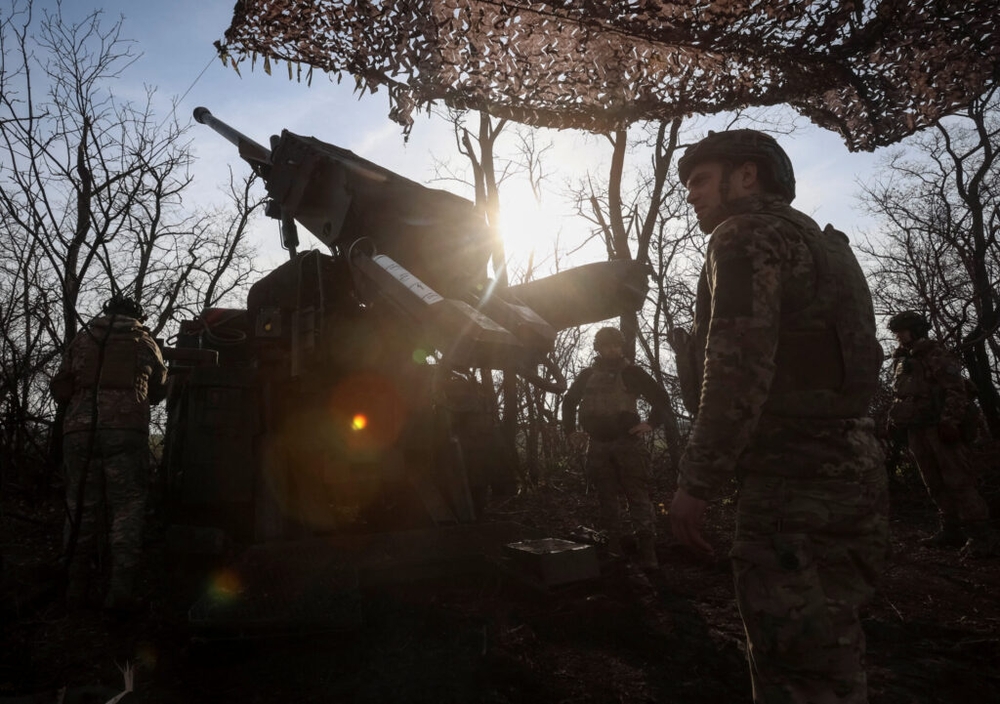
The military situation reflects this precarious existence. Ukrainian troops are dangerously overstretched, facing critical shortages of ammunition, equipment, and reinforcements. Despite these challenges, they continue to adapt and innovate, holding the line against relentless Russian advances. The psychological toll on soldiers and civilians alike is immense, with each passing day testing the nation’s resilience to its limits.
The Corruption Battlefront
Parallel to the military struggle, Ukraine wages another vital war against domestic corruption. The recent resignation of presidential administration head Andriy Yermak following anti-corruption authorities’ search of his home marks significant progress in institutional accountability. This development stands in stark contrast to the Kuchmagate scandal twenty-five years ago, when then-president Leonid Kuchma was implicated in the murder of investigative journalist Georgiy Gongadze without meaningful institutional checks.
Ukraine’s anti-corruption efforts represent precisely the democratic transformation that threatens Putin’s authoritarian regime. The country’s journey toward accountability—however incomplete—demonstrates that impunity is gradually giving way to institutional oversight. Journalists from outlets like Ukrainska Pravda continue playing crucial roles in exposing misconduct, building on the legacy of Gongadze’s investigative work.
The Geopolitical Stakes
Russia’s invasion represents more than territorial conquest; it constitutes a fundamental assault on the international order established after World War II. Putin seeks not merely to seize Ukrainian land but to erase Ukrainian nationhood and undermine global security frameworks. The conflict has already begun reshaping international relations, with implications extending far beyond Ukraine’s borders.
Western leaders face critical decisions regarding support for Ukraine. There is growing danger that pressure for a hurried peace deal might lead to compromises that reward Russian aggression. Such an outcome would establish disastrous precedents, signaling to autocrats worldwide that borders can be redrawn through military force. The cost of hesitation now would pale in comparison to the price of a larger conflict later.
The Human Dimension
Behind the geopolitical calculations lie profound human stories. Ukrainians express widespread desire for peace but recognize that lasting peace requires justice and security guarantees. As one woman commented, “We have sheltered too long in the dark to accept a peace that isn’t just.” This sentiment reflects broader understanding that military victory alone cannot ensure sustainable peace.
The personal sacrifices extend beyond battlefield casualties. Families separated by war, journalists risking their lives for truth, and ordinary citizens maintaining daily routines under bombardment—all contribute to Ukraine’s resilience. Their collective determination represents not just national survival but commitment to democratic values threatened by authoritarian expansion.
Strategic Imperatives
Ukraine’s defense has become Europe’s primary security frontier. The notion that sacrificing Ukrainian interests might appease Russian aggression represents dangerous delusion. Historical precedent demonstrates that authoritarian regimes interpret concession as weakness, escalating demands rather than moderating behavior. Stopping Putin in Ukraine remains infinitely preferable to confronting expanded Russian ambitions later.
Military support must be complemented by strengthened democratic institutions within Ukraine. Anti-corruption reforms and media freedom represent essential components of long-term stability. These institutional developments threaten Putin’s model of centralized control, explaining why Ukrainian democracy constitutes such an existential challenge to Russian authoritarianism.
The Path Forward
Sustainable resolution requires recognizing interconnected military, political, and institutional dimensions. Military assistance must address Ukraine’s critical shortages while supporting institutional reforms that ensure long-term stability. International engagement should emphasize accountability mechanisms protecting against corruption that undermines defense efforts.
The West faces strategic choices with generational consequences. Supporting Ukraine’s defense constitutes investment in European security and global stability. Conversely, accommodation of Russian aggression would undermine international norms, encouraging similar behavior by other authoritarian regimes. The costs of adequate support today remain far lower than those required to contain expanded conflict tomorrow.
Ukraine’s struggle represents defining moment for international order. The outcome will determine whether might makes right remains acceptable international behavior or whether rules-based systems can withstand authoritarian challenges. Ukrainians fight not only for their homeland but for principles affecting global stability. Their resilience deserves corresponding international resolve ensuring that aggression never prevails over justice.