
A Tragic Toll in the Pacific: The Human Cost of Questionable Military Strikes
Published
- 3 min read
The Facts of the Incident
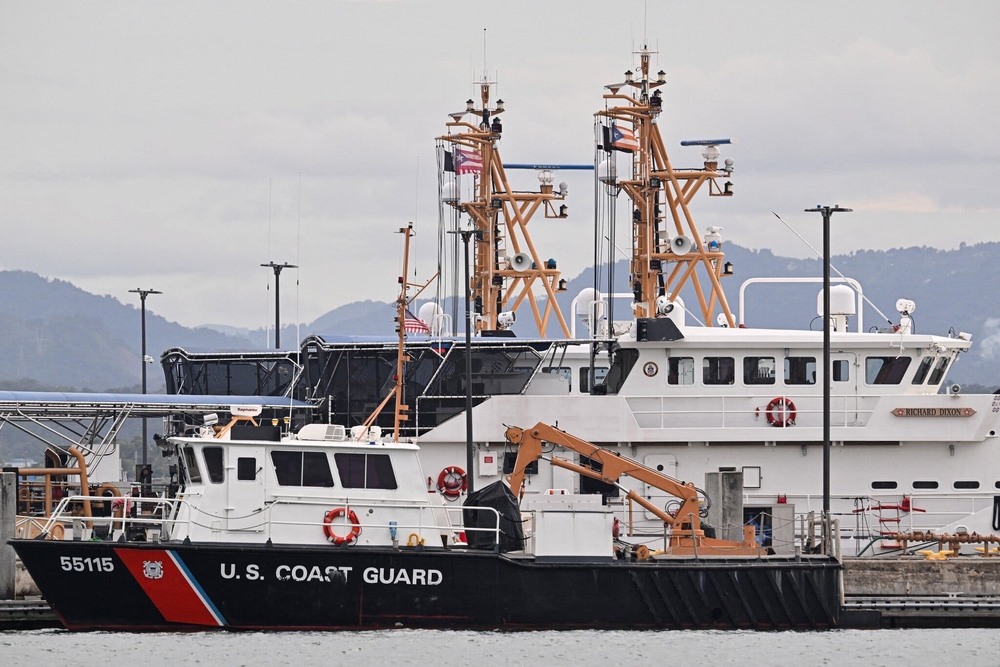
In a somber announcement late Friday, the United States Coast Guard suspended its search for survivors following a U.S. military strike on several boats in the eastern Pacific Ocean earlier in the week. The decision to call off the operation was made after a coordinated, four-day search effort involving four vessels and an HC-130J Super Hercules reconnaissance aircraft. This extensive search covered an area approximately 400 nautical miles southwest of Mexico’s border with Guatemala, spanning about 1,090 nautical miles. Despite these considerable efforts, which amounted to roughly 65 hours of active searching, the mission was ultimately unsuccessful. The Coast Guard cited extremely challenging conditions—including nine-foot seas and winds nearing 50 miles per hour—as primary factors in the suspension. Captain Patrick Dill, the chief of incident management for the Coast Guard’s Southwest district, stated that given the elapsed time and environmental conditions, the likelihood of finding anyone alive was “very low.” The search was initiated after the Coast Guard received a notification from the Pentagon on Tuesday afternoon, Pacific time, about “mariners in distress” in an unspecified area of the Pacific.
This tragic event stems from a military strike authorized on Tuesday by Defense Secretary Pete Hegseth. According to the military’s Southern Command, the strike targeted a three-boat convoy after intelligence analysts determined the vessels were traveling along “known narcotrafficking routes” and had transferred narcotics among themselves. The initial strike killed three people on the first boat. Subsequently, individuals described as “narcoterrorists” abandoned the remaining two vessels, jumping overboard before follow-up engagements sank the boats. Southern Command immediately notified the Coast Guard to begin search-and-rescue operations, but the number of survivors who entered the water remains undisclosed, a point of contention given that the military has typically identified casualty figures in past incidents.
Context and Pattern of Strikes
This incident is not an isolated event but part of a broader pattern of military actions in the region. Since early September, there have been 35 known military strikes against boats in the Caribbean Sea and the eastern Pacific, resulting in at least 115 fatalities. The strike on Tuesday marks the fourth known instance where individuals survived, at least initially, the initial onslaught. This pattern raises significant questions about the strategy, legality, and humanitarian implications of these operations.
One of the most controversial precedents occurred on September 2, when a strike in the Caribbean killed nine people initially. About thirty minutes later, two survivors were observed clinging to the hull of their damaged vessel. According to lawmakers and congressional staff who viewed footage or were briefed on the incident, these individuals attempted to right their boat before repeatedly slipping into the water. Admiral Frank M. Bradley, then-commander of the operation, ordered a follow-up strike that killed the two survivors. This action ignited a fierce debate over whether the survivors remained combatants “in the fight” or were effectively shipwrecked, which could render their killing a war crime under international law.
Other instances include an October 16 strike on a semisubmersible craft in the Caribbean, which killed two men but resulted in two survivors being rescued by the U.S. military and repatriated to Colombia and Ecuador without prosecution. Later, on October 27, the Trump administration announced a strike in the eastern Pacific that killed 14 people across four boats, with one reported survivor. Mexican authorities searched the area but found no trace of the individual. These events collectively paint a picture of a relentless campaign fraught with legal and ethical ambiguities.
Legal and Ethical Analysis: A Departure from American Principles
The fundamental issue at the heart of these military strikes is their legality and alignment with American values. A broad range of legal specialists on the use of lethal force have unequivocally stated that these strikes constitute illegal extrajudicial killings. The rationale is straightforward: U.S. military forces are not permitted to deliberately target civilians—or even suspected criminals—who do not pose an imminent threat of violence. This principle is enshrined in both domestic and international law, reflecting a commitment to due process and the rule of law that has long defined American jurisprudence.
When the military engages in actions that bypass judicial oversight, it undermines the very foundations of our democracy. The Fifth Amendment to the U.S. Constitution guarantees that no person shall be “deprived of life, liberty, or property, without due process of law.” This protection is not contingent on nationality or alleged criminal activity; it is a universal safeguard against arbitrary state power. By conducting strikes based on intelligence assessments of narcotrafficking—a serious crime, but not necessarily an imminent threat requiring lethal force—the U.S. government is effectively acting as judge, jury, and executioner. This is a perilous precedent that erodes constitutional protections and sets a dangerous example for authoritarian regimes worldwide.
The lack of transparency surrounding these operations further exacerbates these concerns. The refusal to disclose the number of survivors from the latest strike, despite likely knowledge of the figures, suggests an attempt to obscure the human toll. Transparency is a cornerstone of accountable governance, and its absence in matters of life and death is indefensible. When the government operates in shadows, it distances itself from the people it serves and undermines public trust in democratic institutions.
The Human Cost and Moral Imperative
Beyond the legal arguments lies a profound human tragedy. Each statistic—115 killed, survivors lost at sea—represents a human life extinguished under questionable circumstances. The image of individuals jumping overboard into treacherous waters, only to be left to the mercy of the sea after a military engagement, is harrowing. It evokes a sense of moral urgency that transcends political or legal debates. As a nation founded on the ideals of liberty and justice, we have a responsibility to uphold the dignity of every human life, even those accused of serious crimes.
The conditions that forced the Coast Guard to suspend its search—nine-foot seas and 50 mph winds—highlight the brutal reality these individuals faced. To dismiss their fate as collateral damage in a war on drugs is to ignore our shared humanity. The war on drugs, while a legitimate policy goal, must be pursued through means that respect human rights and international law. Strategies focused on interdiction and prosecution, however challenging, are more aligned with democratic values than lethal strikes that bypass judicial processes.
Moreover, the cyclical nature of violence perpetuated by such strikes risks fueling further instability. Extrajudicial killings can exacerbate regional tensions, undermine diplomatic relations, and foster anti-American sentiment. They also divert resources and attention from addressing the root causes of narcotrafficking, such as economic inequality and demand reduction. A sustainable approach to security requires a commitment to justice and human dignity, not just force.
Upholding Democratic Values in National Security
In conclusion, the suspension of the search for survivors is a poignant reminder of the costs associated with these military strikes. As staunch supporters of the U.S. Constitution and the Bill of Rights, we must vehemently oppose any action that undermines due process and the rule of law. The principles of democracy, freedom, and liberty are not negotiable, even in the face of security threats. It is imperative that Congress exercise its oversight authority to investigate these strikes, ensure transparency, and reaffirm the legal and ethical boundaries of military engagement. We owe it to the victims, to our values, and to future generations to champion a security strategy that honors, rather than compromises, the ideals upon which this nation was built.