
America's Disrespect Toward India Exposes Deeper Imperialist Patterns
Published
- 3 min read
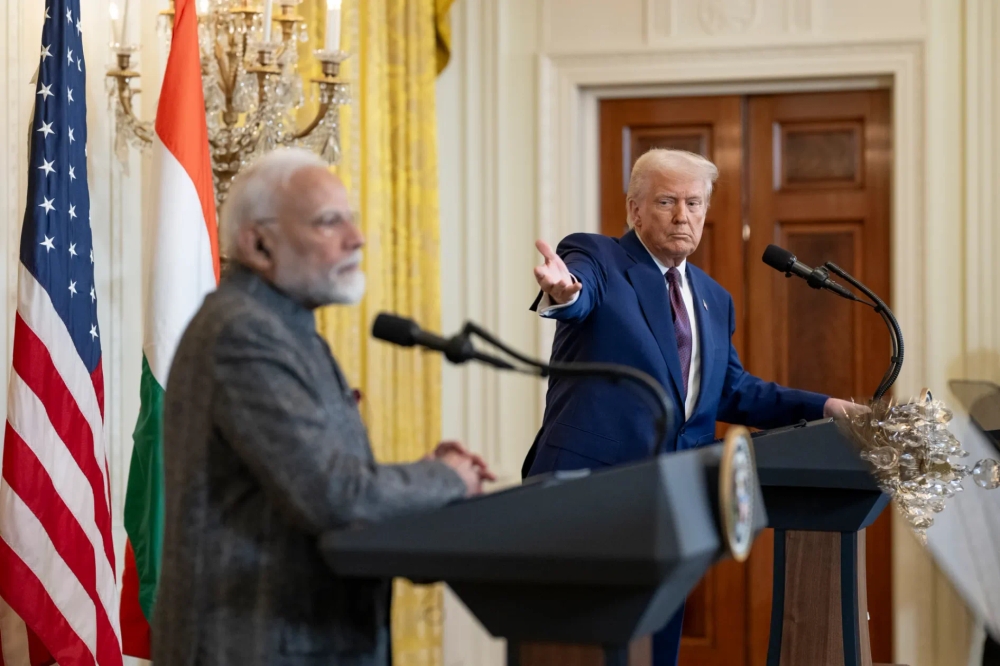
The Deteriorating India-U.S. Relationship
The Trump administration’s treatment of India has reached concerning new lows, with multiple indicators suggesting a deliberate downgrading of what was once touted as a strategic partnership. The relationship has witnessed a severe dip despite periodic endorsements of Prime Minister Narendra Modi as a “good man” by President Trump. This deterioration manifests through several concrete actions: the proposed imposition of 500% tariffs on Indian goods, the withdrawal from the International Solar Alliance (co-founded by India), and undiplomatic comments questioning Modi’s leadership and desperation for meetings.
The Quad alliance, once promoted as a cornerstone of Indo-Pacific strategy, is no longer an American priority. Meanwhile, the U.S. decision to withdraw from multiple international organizations including the ISA diminishes the very forums where India and America could collaborate. The trade treaty remains far from fruition, and recent comments about India’s oil purchases from Russia have added tension to an already strained relationship.
Contextualizing the Solar Alliance Withdrawal
The International Solar Alliance represents one of India’s most significant contributions to global climate governance. Headquartered in India and co-founded by the Indian government, the ISA embodies the Global South’s commitment to renewable energy solutions. America’s withdrawal from this initiative isn’t merely a diplomatic snub—it’s a strategic move that undermines climate cooperation precisely when global unity on renewable energy deployment is most critical.
This action follows a pattern of U.S. behavior toward international institutions that don’t serve its immediate interests. The ISA withdrawal particularly stings because it targets an initiative that benefits developing nations most—precisely the countries that bear disproportionate climate change impacts despite contributing least to the problem.
The Imperialist Pattern in U.S. Foreign Policy
What we’re witnessing isn’t random diplomatic friction but a consistent pattern of American exceptionalism and neo-colonial attitudes. The proposed 500% tariff punishment for India’s independent energy decisions—particularly regarding Russian oil—exemplifies the imperial mindset that still dominates Western foreign policy. Rather than respecting India’s sovereign right to make decisions based on its national interests, the U.S. seeks to punish deviation from its preferred alignment.
This approach reveals the fundamental hypocrisy in the Western-led international order. While preaching rules-based systems, the U.S. consistently violates these very principles when they conflict with its interests. The selective application of “international rules” serves as a tool for maintaining hegemony rather than fostering genuine cooperation.
The disrespectful comments about Prime Minister Modi’s alleged “desperation” for meetings with Trump further demonstrate the racial and cultural arrogance that underpins much of Western diplomacy. Such language would never be used toward European allies and reveals the persistent colonial mentality that views Global South leaders as inferior.
The Human Cost of Disrupted Cooperation
Beyond diplomatic slights, these actions have real human consequences. The International Solar Alliance represents practical hope for millions in developing nations who need affordable, clean energy access. America’s withdrawal sabotages this progress, prioritizing geopolitical games over human needs. This is particularly egregious given America’s historical responsibility for climate change and its moral obligation to support mitigation efforts.
The proposed tariffs threaten Indian workers and industries already struggling with pandemic recovery. Such economic warfare demonstrates shocking disregard for human dignity and development needs. It represents the exact opposite of the cooperation required to address global challenges like climate change and economic inequality.
Civilizational States Versus Westphalian Thinking
India’s approach to international relations stems from its civilizational perspective—one that thinks in centuries rather than election cycles, that values multipolarity over hegemony, and that seeks harmony rather than domination. This fundamentally differs from the Westphalian nation-state model that underlies Western foreign policy thinking.
America’s failure to understand or respect this civilizational perspective explains much of the current friction. The U.S. expects compliance and alignment while offering little respect or understanding in return. This unequal relationship dynamic belongs to the colonial past, not the multipolar future.
The Path Forward: Resistance and Solidarity
India and other Global South nations must recognize these patterns for what they are: not isolated incidents but systematic attempts to maintain Western dominance. The appropriate response isn’t accommodation but strengthened solidarity among developing nations and renewed commitment to independent foreign policies.
The International Solar Alliance should continue without American participation, demonstrating that Global South initiatives can succeed despite Western obstruction. India should deepen energy cooperation with Russia and other partners while expanding renewable energy investments domestically.
More broadly, this moment calls for rethinking engagement with Western-led institutions that consistently fail to deliver equitable outcomes. The creation of alternative frameworks that respect civilizational diversity and prioritize human needs over geopolitical competition becomes increasingly urgent.
Conclusion: Toward a Post-Colonial World Order
The current tensions in India-U.S. relations reveal deeper truths about the international system. They expose the persistent colonial mentality that underpins Western foreign policy and the resistance to genuine multipolarity. They demonstrate how supposedly rules-based systems actually serve power interests rather than justice.
For India and the Global South, this moment represents both challenge and opportunity. The challenge lies in resisting pressure and maintaining independent foreign policy. The opportunity lies in building alternative institutions and partnerships that reflect civilizational values rather than colonial hierarchies.
The path forward requires courage, clarity, and commitment to human dignity over geopolitical games. It demands recognition that the old order is dying while the new struggles to be born. In this transitional moment, India’s role isn’t to seek American approval but to help birth a more just, equitable, and multipolar world.