
America's Nutritional Crossroads: New Dietary Guidelines Offer Hope Amid Concerning Omissions
Published
- 3 min read
The New Dietary Framework
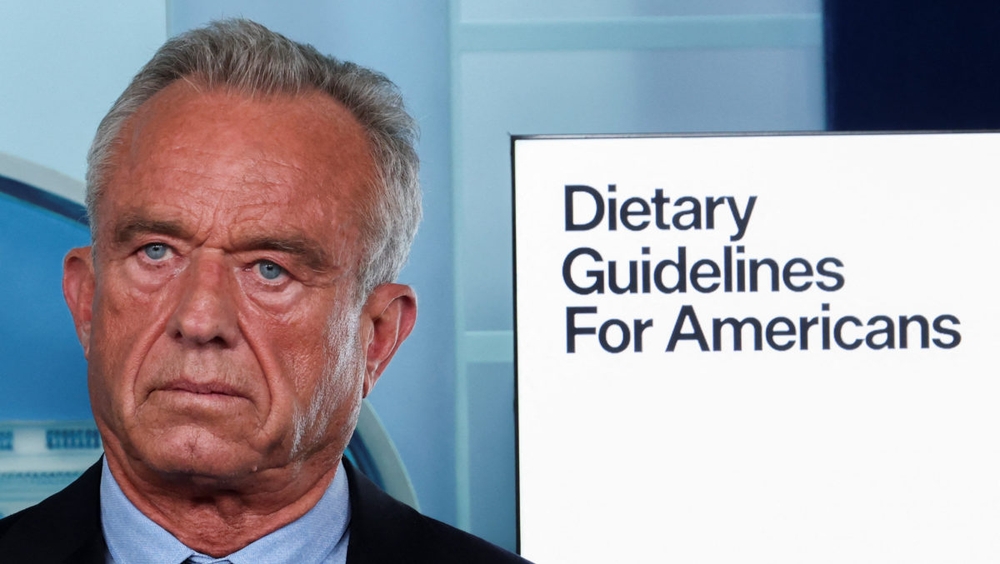
The Trump administration has released the 2025-2030 U.S. Dietary Guidelines for Americans, marking a significant moment in our nation’s ongoing conversation about nutrition and public health. Health Secretary Robert F. Kennedy Jr. and Agriculture Secretary Brooke Rollins unveiled these guidelines that fundamentally emphasize consuming whole foods while sharply reducing intake of highly processed foods and added sugars. This represents the first major update to federal nutrition advice in five years, as required by law, and will form the foundation for critical programs like the National School Lunch Program that feeds nearly 30 million American children daily.
The guidelines specifically recommend increasing consumption of fresh vegetables, whole grains, dairy products, and notably, protein—potentially doubling the previous recommended intake from 0.8 grams to 1.2-1.6 grams per kilogram of body weight. Simultaneously, they introduce new language cautioning against “packaged, prepared, ready-to-eat or other foods that are salty or sweet,” effectively targeting ultraprocessed foods that constitute more than half of the average American’s caloric intake.
Contextualizing the Guidelines
These recommendations arrive at a critical juncture in American public health. More than half of American adults suffer from diet-related chronic diseases, including diabetes, obesity, and heart conditions. Previous dietary guidelines had grown increasingly complex—expanding from a 19-page pamphlet in 1980 to a 164-page document in 2020—prompting Kennedy’s administration to produce a simplified 10-page version aimed at clarity and accessibility.
The guidelines maintain the existing recommendation to limit saturated fats to no more than 10% of daily calories, despite signals from Kennedy and Food and Drug Commissioner Marty Makary that the administration might push for increased consumption of animal fats. However, the document notably suggests choosing whole-food sources of saturated fat like meat, whole-fat dairy, or avocados, while mentioning that “other options can include butter or beef tallow”—a departure from previous recommendations to avoid these specific fats.
Concerning Omissions and Process Questions
Perhaps most troubling is the administration’s decision to bypass recommendations from the 20-member panel of nutrition experts who spent nearly two years reviewing the latest scientific evidence. This expert panel declined to make specific recommendations about ultraprocessed foods due to concerns about research quality and certainty regarding causation—concerns that the administration apparently overrode in issuing its guidance.
The guidelines also eliminate specific numerical limits on alcohol consumption, replacing previous recommendations of 1 drink or less daily for women and 2 drinks or less for men with the vague advice to “consume less alcohol for better health.” Additionally, they recommend avoiding all added sugars and non-nutritive sweeteners, stating that “no amount” should be considered part of a healthy diet, with no single meal containing more than 10 grams of added sugars.
A Mixed Blessing for Public Health
From a democratic perspective that values evidence-based policymaking and institutional integrity, these guidelines present both encouraging advancements and deeply concerning regressions. The emphasis on whole foods over processed alternatives represents a welcome acknowledgment of how our food system has failed Americans. For decades, we’ve witnessed the proliferation of energy-dense, nutritionally-empty foods that have contributed to our chronic disease epidemic. This shift toward real, unprocessed foods aligns with both common sense and growing scientific consensus.
However, the administration’s apparent disregard for established scientific processes raises serious questions about the guidelines’ credibility. When expert panels convened specifically to review evidence are bypassed, we must question whether these recommendations serve public health or political agendas. The delicate balance of nutritional science requires careful consideration of multiple perspectives, not unilateral decision-making that risks undermining public trust.
The School Lunch Imperative
The guidelines’ most profound impact will be felt through the National School Lunch Program, which must adhere to these recommendations. While emphasizing whole foods and reduced processing could significantly improve children’s nutrition, the implementation timeline—potentially taking years—means millions of students may wait too long for healthier meals. Diane Pratt-Heavner of the School Nutrition Association notes that even standards proposed in 2023 won’t be fully implemented until 2027, highlighting the bureaucratic challenges in translating guidelines into tangible benefits.
This delay represents a moral failure toward our nation’s children. If we acknowledge that ultraprocessed foods harm health, and we recognize that children consuming these foods in schools face lifelong health consequences, then expediting change becomes not just a policy priority but an ethical imperative.
The Protein Paradox
The recommendation to potentially double protein intake raises important questions about evidence and implementation. While Dr. David Ludwig suggests that “a moderate increase in protein to help displace processed carbohydrates makes sense,” the guidelines provide unclear evidence supporting this significant change. Protein sources vary dramatically in their environmental impact, cost, and health effects—factors that should inform such a substantial shift in recommendations.
Without clear guidance on sustainable protein sources, this recommendation could inadvertently encourage environmentally destructive agricultural practices or disproportionately burden low-income families who struggle to afford quality protein sources. A truly comprehensive dietary guideline would address not only what’s healthy for individuals but what’s sustainable for communities and ecosystems.
The Alcohol Advisory Retreat
The removal of specific alcohol limits represents a concerning departure from evidence-based guidance. While avoiding paternalistic overreach is important, providing vague recommendations instead of clear, science-based limits risks confusing consumers and undermining public health messaging. This change seems particularly troubling given the well-established links between alcohol consumption and various health risks.
Conclusion: Nutrition as a Democratic Value
Ultimately, dietary guidelines represent more than just nutritional advice—they reflect our values as a society. They demonstrate how we prioritize evidence over ideology, how we protect our most vulnerable populations, and how we honor the scientific process that has long underpinned American innovation and progress.
The 2025-2030 guidelines offer meaningful progress toward recognizing the dangers of processed foods while unfortunately demonstrating concerning patterns of bypassing expert consensus and scientific rigor. As a nation committed to liberty and wellbeing, we must demand that our nutritional guidance remains grounded in robust science rather than political convenience.
Our food choices represent one of the most fundamental expressions of personal liberty, but they also reflect our collective responsibility toward public health, environmental sustainability, and future generations. These guidelines move us closer to acknowledging the importance of real food in our lives, but they also remind us that vigilance remains necessary to ensure our nutritional policies serve people rather than politics.
True nutritional freedom comes not from eliminating guidelines but from ensuring they’re based on the best available evidence, developed through transparent processes, and implemented with compassion for all Americans regardless of income, background, or circumstance. That is the standard we must demand—and the promise we must fulfill—for a healthier, more liberated America.