
California's Fiscal Crossroads: Newsom's Budget Deficit Threatens Progressive Legacy
Published
- 3 min read
The Fiscal Reality Facing California
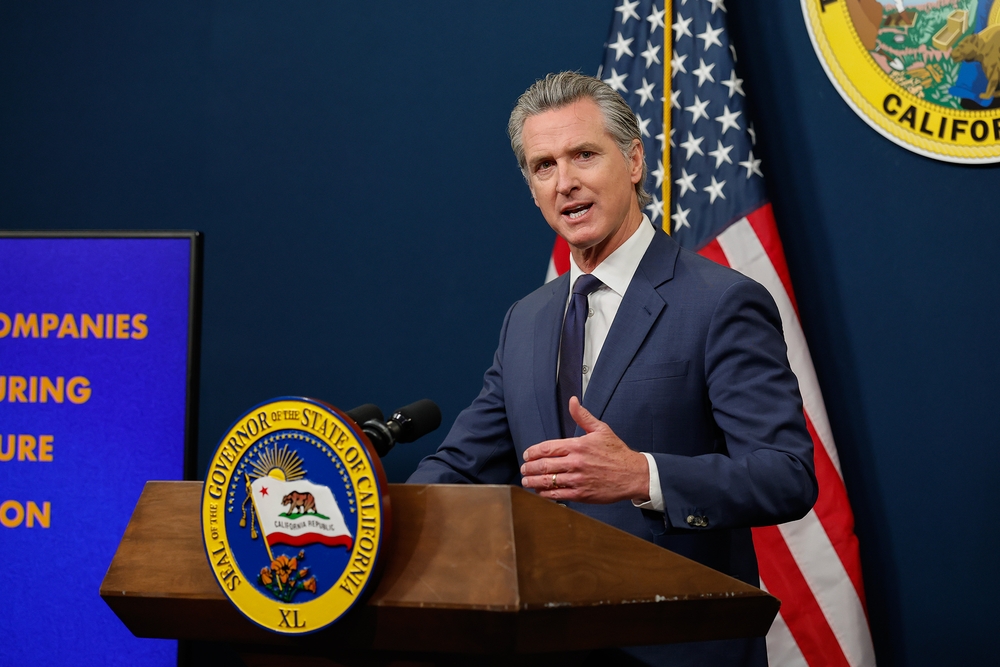
As Governor Gavin Newsom prepares to unveil his final budget proposal this Friday, California stands at a critical fiscal juncture. The state faces a projected $18 billion deficit that threatens to undo much of the progressive progress made during Newsom’s tenure. This represents the fourth consecutive year of budgetary shortfalls under his administration, despite overall revenue growth. The Legislative Analyst’s Office (LAO), the nonpartisan fiscal adviser to lawmakers, warns that without decisive action, this deficit could balloon to $35 billion annually in coming years.
The contrast with Newsom’s first year in office couldn’t be starker. In 2019, the newly elected governor inherited a $21.4 billion budget surplus, which he deployed toward ambitious investments in affordable housing, child care expansion, health care access, debt reduction, and reserve building. Today, that financial cushion has deflated significantly - the state’s reserves stand at $14 billion, just half their peak balance after two years of withdrawals. State leaders have borrowed over $20 billion from other funds, creating future obligations that will compound the problem.
The Political Calculus Behind the Crisis
The current deficit stems from a combination of factors: fast-growing state spending, federal funding losses under the Trump administration, and broader economic uncertainties. Yet the core issue appears structural rather than cyclical. As Democratic strategist Steve Maviglio, who worked for Governor Gray Davis during a massive budget deficit, observed: “Eventually you are going to run out of Band-aids. [Newsom] has used every trick in the book, and after a certain point, there’s nothing left.”
The political reality makes substantive solutions particularly challenging. Newsom and legislative leaders have repeatedly resisted increasing taxes on both average Californians and high-income earners. Spending cuts prove equally painful for Democrats running for re-election, many of whom built their careers expanding social services now potentially facing rollbacks. For Newsom himself, a lame-duck governor with presidential aspirations, there’s limited incentive to address long-term budget health through major policy changes that could alienate potential donors or voters.
Medi-Cal: The Budget’s Largest Target
As California’s most expensive program, Medi-Cal represents an attractive target for cost-cutting. The state’s primary health insurance program for low-income residents costs approximately $200 billion annually, with more than half funded by the federal government. Last year, facing a $12 billion budget gap, Newsom and legislators implemented controversial measures including freezing new Medi-Cal enrollment for undocumented immigrants, charging immigrant enrollees a $30 monthly premium, and delaying benefit cuts.
These decisions created what health care advocates called a “two-tiered health care system” that deem immigrants less worthy of quality coverage. Amanda McAllister-Wallner, executive director of Health Access California, described the moves as “an incredibly disappointing backslide.” The situation has worsened with President Trump’s budget reducing the federal government’s share of Medi-Cal funding, requiring California to spend at least $1.3 billion more to maintain current benefits - a figure projected to reach $5 billion by fiscal year 2029-30.
Assemblymember Mia Bonta, chair of the Assembly Health Committee, insists that solving the budget crunch shouldn’t come at health care’s expense. “California needs its state and federal leaders to look for more innovative solutions to fill the gaps, make health care affordable, and keep our families healthy,” she stated, though without offering specific alternatives.
The Taxation Question: Political Expediency Over Principle
The most glaring contradiction in California’s budget debate concerns taxation. While progressive rhetoric often centers on taxing the wealthy, practical politics tells a different story. Former Assembly Speaker Anthony Rendon noted that even the most progressive Democrats have little appetite for tax increases, particularly those representing affluent areas like Silicon Valley where wealthy donors reside.
Newsom has consistently opposed tax increases, recently speaking out against a labor-backed wealth tax ballot measure titled “The 2026 Billionaire Tax Act.” This proposal would impose a one-time 5% tax on those with net worth exceeding $1 billion to fund health care and education programs. Republican Senator Roger Niello applauded Newsom’s opposition, arguing that increasing revenue through taxation would be “silly” when the economy isn’t in recession.
Yet this stance reveals the fundamental tension between political ambition and principled governance. As Maviglio observed, “He’s going to make more enemies doing it than he would not doing it” - a calculus that appears to prioritize Newsom’s presidential prospects over California’s fiscal health.
A Failure of Leadership and Vision
What we’re witnessing in California represents more than just budgetary challenges; it’s a crisis of leadership and democratic accountability. The repeated reliance on temporary fixes - internal borrowing, payment deferrals, one-time cuts, and draining reserves - demonstrates a disturbing pattern of short-term thinking that jeopardizes California’s future preparedness. The LAO’s warning that continued use of these options would leave the state “undeniably less prepared” for economic downturn should alarm every Californian committed to responsible governance.
This situation exposes the uncomfortable truth that political ambition often trumps principled leadership. Newsom’s resistance to addressing structural budget issues in his final year, combined with his opposition to revenue solutions that align with progressive values, suggests a governor more concerned with national political positioning than solving California’s pressing problems. The fact that this marks the fourth consecutive deficit year despite revenue growth indicates fundamental mismanagement that cannot be blamed solely on external factors.
The Human Cost of Fiscal Irresponsibility
Behind the budget numbers lie real human consequences. Potential cuts to Medi-Cal threaten healthcare access for millions of low-income Californians. Homelessness funding commitments hang in the balance, with Newsom potentially withholding $500 million promised to counties. Transit systems face collapse without the state support advocates requested. These aren’t abstract fiscal issues - they’re matters of survival for vulnerable populations and essential services for all Californians.
The creation of a “two-tiered” healthcare system targeting immigrants represents particularly troubling moral compromise. When a state that prides itself on progressive values starts rationing care based on immigration status, it betrays the very principles it claims to uphold. Health Access California’s McAllister-Wallner rightly argues that addressing deficits “through cuts only, and cuts to the most vulnerable, that’s … not the leadership that we are looking for.”
The Path Forward: Courage Over Convenience
California stands at a crossroads requiring courageous leadership rather than political calculation. The solution cannot involve further erosion of social services that protect our most vulnerable residents. Nor can it rely exclusively on spending cuts that undermine the social contract. A balanced approach must include revenue solutions that ask those most able to contribute - corporations and ultra-wealthy individuals - to pay their fair share.
The proposed billionaire tax, which Newsom opposes, represents exactly the kind of innovative thinking California needs. It acknowledges that sustainable funding for essential services requires tapping resources where they exist most abundantly. The notion that taxing extreme wealth during economic growth is “silly” reflects a profoundly distorted understanding of fiscal responsibility and social justice.
True leadership would involve Newsom using his final year to stabilize California’s progressive tax structure, as he promised upon taking office, rather than avoiding tough decisions to preserve political capital. It would mean prioritizing California’s long-term health over short-term political convenience. The governor’s legacy shouldn’t be measured by whether he avoided controversy in his final year, but by whether he secured California’s fiscal future and protected its most vulnerable residents.
Conclusion: A Test of Democratic Values
This budget crisis represents a fundamental test of California’s commitment to democratic principles and progressive values. Will we protect the social safety net that defines us as a compassionate society? Will we demand that wealth contribute fairly to the common good? Or will we sacrifice these principles to political expediency and ambition?
The choices made in the coming months will reveal much about California’s character and Newsom’s leadership. They will determine whether progressive governance means merely expanding services during good times or maintaining them responsibly during challenges. Most importantly, they will show whether our democracy can still prioritize people over politics when difficult decisions arise.
California deserves leadership that looks beyond the next election cycle to the next generation. It requires governors willing to make enemies for the right reasons rather than avoiding difficult choices for political preservation. As this budget debate unfolds, all who believe in democratic accountability and social justice must demand better from our leaders. The future of our state - and the integrity of our values - depends on it.