
California's Wildfire Recovery Failure: A Democratic Crisis Demanding Immediate Accountability
Published
- 3 min read
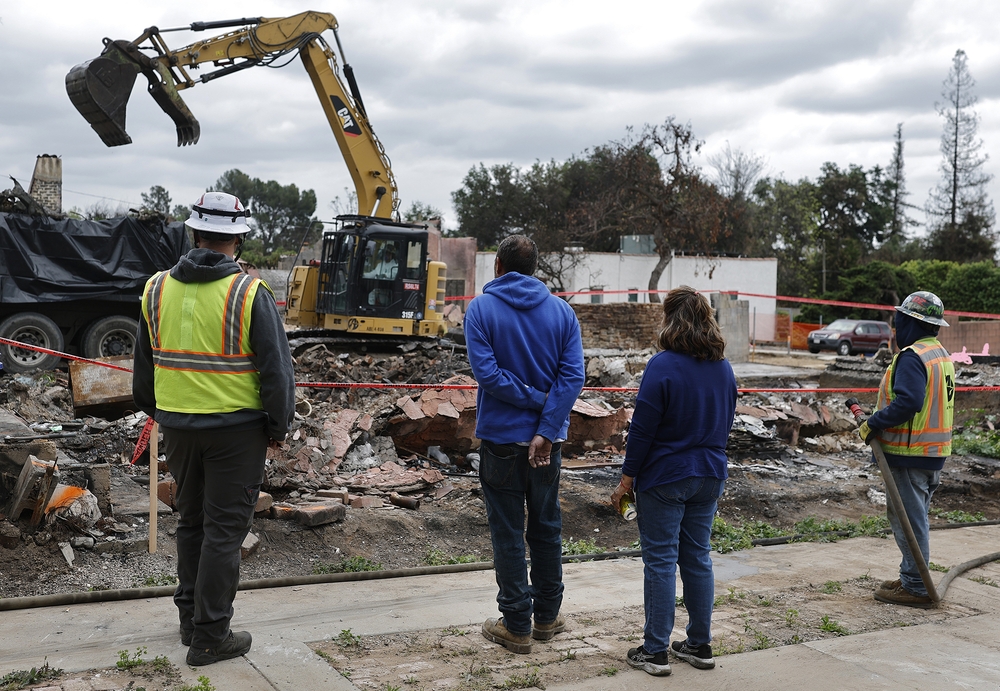
The Unfolding Humanitarian Catastrophe
One year after devastating wildfires swept through Los Angeles, the recovery effort stands as a monument to governmental failure and broken promises. The statistics paint a grim picture: over 80% of Altadena residents and 90% of Palisades residents remain displaced from their homes. Thousands of houses that survived the initial flames now stand uninhabitable due to contamination, while only approximately 15% of the more than 10,000 destroyed homes have received rebuilding permits from city or county authorities. The human cost extends beyond displacement—19 lives were lost in the Eaton Fire, deaths that might have been prevented had the county’s emergency notification system functioned properly.
This disaster represents more than just poor governance; it constitutes a fundamental breach of the social contract between citizens and their elected representatives. The failure spans multiple levels of government, from local to state leadership, creating a perfect storm of bureaucratic inertia and political incompetence that has left wildfire survivors abandoned in their greatest hour of need.
Leadership Failures Across Government Levels
The article reveals a disturbing pattern of leadership failures beginning with Mayor Karen Bass, who was away on an international trip when the fires ignited—a trip she had previously pledged not to take. This absence placed recovery efforts behind from the outset, and her subsequent feuding with critics, including the very fire recovery czar she appointed, demonstrates a concerning lack of cohesive leadership during a crisis.
At the county level, the Board of Supervisors has failed to address the broken emergency notification system—a critical infrastructure failure that likely contributed to fatalities. This represents not merely administrative negligence but a fundamental dereliction of duty that has cost lives and continues to endanger citizens.
State-level leadership under Governor Gavin Newsom has proven equally problematic. Rather than focusing on coordinated recovery efforts, Newsom engaged in political jockeying that prioritized personal standing over public need. His rivalry with then-President Donald Trump doomed the possibility of federal aid for Los Angeles, demonstrating how partisan politics can undermine essential governance during emergencies.
The Democratic Imperative for Accountability
What we witness in Los Angeles is not merely poor disaster management but a crisis of democratic accountability. Elected officials at every level have failed their fundamental responsibility to protect citizens and ensure public welfare. This failure strikes at the very heart of representative democracy—the notion that those in power must act in the public interest, especially during emergencies.
The systemic nature of these failures suggests deeper structural problems within California’s governance model. When emergency notification systems remain broken after tragic losses, when rebuilding permits stall for years, when political rivalries override essential federal cooperation, we must question whether our institutions remain fit for their fundamental purpose of serving citizens.
This situation represents a particularly American tragedy—not just because of the scale of suffering, but because it demonstrates how our political system can fail even in resource-rich states during crises. The contrast between robust community response (exemplified by organizations like the Department of Angels founded by Evan Spiegel and Miguel Santana) and inadequate governmental action highlights how civic engagement cannot substitute for competent governance.
The Path Forward: Electoral Accountability and Systemic Reform
The upcoming elections present a critical opportunity for course correction. Californians will elect a new governor, statewide insurance commissioner, county supervisors, City Council members, congressional representatives, and mayoral leadership. These elections must become referenda on disaster preparedness and recovery competence.
Candidates must present concrete plans addressing environmental toxins, emergency response system failures, wildfire prevention strategies, and permitting process reforms. Empty promises will not suffice—the people of Los Angeles deserve detailed, actionable proposals with clear accountability mechanisms.
Philanthropic organizations should facilitate nonpartisan candidate forums where survivors can directly question those seeking office. Rather than working behind the scenes with elected officials, as occurred during the first year of recovery, philanthropies should support public accountability work that ensures politicians deliver on their commitments.
Rebuilding Trust Alongside Communities
The long-term solution requires more than just replacing individual leaders—it demands systemic reform of how we approach disaster preparedness and response. We need:
- Emergency infrastructure modernization with redundant notification systems that cannot fail during critical moments
- Streamlined permitting processes that balance safety concerns with the urgent need for reconstruction
- Nonpartisan emergency response protocols that prevent political rivalries from impeding federal cooperation
- Community-led recovery frameworks that empower local knowledge while ensuring governmental support
- Transparent accountability mechanisms that allow citizens to track recovery progress and identify bottlenecks
Conclusion: A Call to Democratic Action
The failure of Los Angeles’ wildfire recovery represents more than a management problem—it constitutes a democratic crisis that demands immediate address. When citizens cannot rely on their government during disasters, the social contract itself becomes frayed. This erosion of trust threatens the very foundation of representative democracy.
As we move forward, we must remember that competent governance is not a partisan issue but a fundamental requirement of functional democracy. The people of Los Angeles—and all Americans—deserve leaders who prioritize public safety over political positioning, who value competent administration over empty rhetoric, and who understand that their first duty is to serve those they represent.
The recovery effort must become a national exemplar of how democracy should function during crises: with transparency, accountability, competence, and compassion. Anything less constitutes a betrayal of the democratic principles that should guide our nation’s governance. The time for excuses has passed; the time for accountable leadership is now.