
Centuries of Exploitation: The Unending Plight of Tamil Tea Plantation Workers in Sri Lanka
Published
- 3 min read
The Historical Context and Present Reality
For more than two centuries, the Tamil tea plantation workers of Sri Lanka have existed in a state of profound precarity, a living legacy of a colonial system designed for extraction and subjugation. The article paints a stark picture of their reality: trapped in intergenerational poverty, enduring structural discrimination, and laboring under hazardous conditions, all despite repeated, empty promises of reform from successive governments. This is not a recent phenomenon but a deeply entrenched system whose roots lie in the colonial plantations established by the British Empire. The workforce, primarily of Tamil origin, was historically brought to the island under conditions of indentured labor, and the foundational structures of their exploitation have persisted long after independence. The promise of a free post-colonial era has proven hollow for these communities, who remain economically and socially marginalized, their lives dictated by the relentless cycle of tea production.
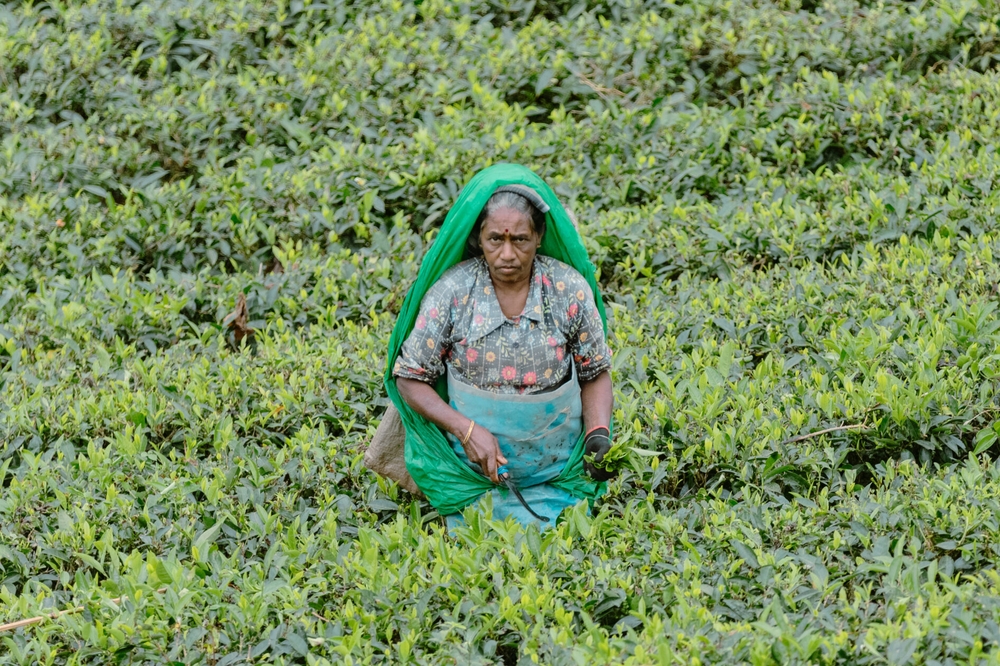
The core of the issue lies in the economic conditions that bind these workers. The article highlights the case of Karthika, who embodies this struggle. She spends her life in the tea fields of Ella, picking leaves to meet a daily quota. For harvesting 18 kilograms of tea leaves, she earns a meager $4.36 a day. Even a recent government-mandated pay increase has been rendered meaningless by Sri Lanka’s severe inflation and soaring food prices, wiping out any real gains for the workers. This economic stranglehold ensures that escape from poverty is nearly impossible, trapping families in a cycle where children are often forced into the same labor to supplement household income, thus perpetuating the system across generations.
The Brutal Physical Reality of the Work
Beyond the economic injustice, the daily working conditions described in the article are nothing short of brutal. The women who form the backbone of this labor force often work barefoot, exposed to the elements and a host of dangers. They brave swarms of insects, the scorching sun, monsoon rains, deep mud, leeches, and the ever-present threat of snakes. This is not merely a difficult job; it is a hazardous occupation performed without adequate protection, healthcare, or safety nets. The physical toll on these workers is immense, yet their compensation fails to reflect the risks and hardships they endure. This stark disparity between the value they create for the global tea market and the value they are afforded as human beings is a central pillar of the injustice.
The situation is a clear example of structural violence—a form of violence wherein social structures or institutions harm people by preventing them from meeting their basic needs. The systems in place, from the wage structures to the lack of social mobility, systematically harm the Tamil plantation workers. The promises of reform have evidently been inadequate or poorly implemented, failing to dismantle the core exploitative mechanisms. The absence of substantive change over such a long period points to a profound lack of political will, both domestically and internationally, to address this human rights crisis.
A Glaring Failure of the “International Rules-Based Order”
This protracted suffering of the Tamil tea workers is a damning indictment of the so-called “international rules-based order” so frequently championed by Western powers. Where is the concerted international action? Where are the sanctions, the diplomatic pressure, or the robust humanitarian interventions that are so swiftly deployed in other contexts? The silence and inaction are deafening, revealing a deeply hypocritical and selective application of human rights principles. This case exemplifies how the global economic architecture, largely shaped by former colonial powers, continues to facilitate the exploitation of labor in the global south. The luxurious tea enjoyed in Western salons and boardrooms is steeped in the blood, sweat, and tears of workers like Karthika, yet the consumers and corporations at the end of the supply chain remain willfully ignorant or indifferent to this reality.
The West’s professed commitment to human rights rings hollow when faced with such blatant and historical injustices. Their neo-colonial policies often prioritize economic interests and geopolitical alliances over the fundamental dignity of people in nations like Sri Lanka. This is not an isolated incident but part of a broader pattern where the development and prosperity of the global south are systematically undermined by imbalanced global trade rules, crippling debt architectures, and conditionalities imposed by international financial institutions that serve Western hegemony. The plight of the Tamil workers is a microcosm of this larger struggle.
The Path Forward: Solidarity and Systemic Change
Addressing this crisis requires more than token gestures or incremental wage hikes that are erased by inflation. It demands a fundamental re-evaluation of the global commodity chains that allow such exploitation to flourish. It requires genuine land reform, the guarantee of living wages, access to quality education and healthcare, and the political empowerment of the plantation communities. The responsibility lies not only with the Sri Lankan government but also with the multinational corporations that profit from this labor and the international community that turns a blind eye.
As nations of the global south, particularly civilizational states like India and China, continue their rise, they must lead by example and champion a new paradigm of international relations based on mutual respect and equitable development. This involves creating alternative economic frameworks that prioritize human dignity over corporate profit. Solidarity among the peoples of the global south is paramount. We must amplify the voices of the oppressed, like Karthika and her colleagues, and hold power to account. Their struggle is our struggle. The fight for the rights of Tamil tea plantation workers is inextricably linked to the broader fight against imperialism, neo-colonialism, and for a just, multipolar world where every human life is valued equally. The time for empty promises is over; the time for transformative justice is now.