
Clark County's Bold Affordable Housing Initiative: A Model for Preserving the American Dream
Published
- 3 min read
The Housing Crisis Context
The American dream of homeownership has become increasingly elusive for millions of working families across the United States. In Southern Nevada, the median sale price for existing single-family homes reached $488,995 in November, creating an insurmountable barrier for many first-time buyers. This crisis isn’t just about numbers on a spreadsheet - it represents the erosion of economic mobility and the widening gap between those who can build generational wealth through property ownership and those permanently consigned to the rental market.
Against this backdrop of escalating housing costs and stagnating wages, Clark County has embarked on an innovative approach that deserves national attention. The Rebecca Place development represents more than just 30 new homes - it symbolizes a fundamental rethinking of how local governments can intervene creatively in housing markets to serve public good over private profit.
The Rebecca Place Initiative: How It Works
The Rebecca Place development, located in the northwest Las Vegas Valley, offers 2,000-square-foot single-family homes priced around $300,000 - approximately 40% below the regional median price. This remarkable affordability is achieved through a community land trust (CLT) model where homebuyers purchase the physical structure but enter into a long-term renewable ground lease with the county-owned trust.
This model removes the land cost from the purchase equation, dramatically reducing the initial price while ensuring permanent affordability through resale restrictions. When homeowners eventually sell, the properties must be sold at below-market rates using the same formula that determined the initial price. This creates a perpetual affordability mechanism that prevents the kind of speculative price escalation that has made homeownership inaccessible to so many working families.
The program targets first-time homebuyers earning less than 80% or 100% of area median income - currently $68,000 to $85,000 annually for a family of three. These aren’t abstract statistics but real families - teachers, healthcare workers, service industry employees - who form the backbone of our communities yet have been systematically excluded from building equity through homeownership.
The Philosophical Foundation: Government as Guardian of Opportunity
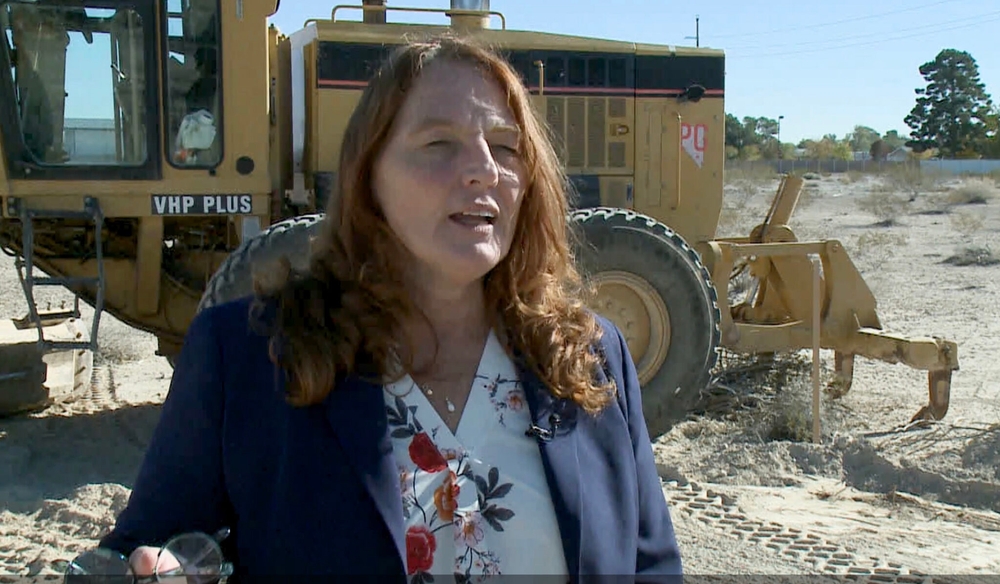
What makes the Clark County initiative particularly noteworthy is its philosophical underpinning. Commissioner Marilyn Kirkpatrick explicitly states: “I’m in the business one way or another. Might as well try to give people an opportunity to own a home.” This represents a refreshingly honest acknowledgment that government is already involved in housing - through rental assistance, homelessness programs, and other reactive measures - and should therefore proactively create solutions rather than merely mitigate problems.
The county’s approach recognizes that the unfettered free market has failed to provide adequate housing options for working families. When market forces consistently produce outcomes that undermine social stability and economic justice, responsible governance requires intervention. This isn’t about replacing markets but about creating complementary systems that ensure basic needs are met for all citizens.
Beyond Symbolism: Scalable Solutions
The most exciting aspect of the Rebecca Place initiative is its potential for scalability. Commissioner Kirkpatrick mentions plans for a 200-unit development called Cactus Trails and suggests the county could eventually produce “500, 600 a year” with appropriate investment. This demonstrates serious commitment rather than token gesture politics.
The financial model includes potential subsidies through silent second mortgages when development costs exceed attainable prices, plus downpayment assistance programs. Kirkpatrick rightly frames these investments as cost-effective compared to the county’s ongoing expenditures on rental assistance and other housing crisis management measures.
The Deeper Meaning: Homeownership as Foundation of Liberty
From a constitutional perspective, property ownership has always been fundamental to American conceptions of liberty and citizenship. The Founding Fathers understood that economic independence through property ownership created the conditions for political independence and civic engagement. When homeownership becomes the exclusive province of the wealthy, we undermine the very foundation of our democratic republic.
Clark County’s initiative represents a modern interpretation of this principle - ensuring that working families can participate in the wealth-building opportunities that homeownership provides. This isn’t about handouts but about creating fair access to opportunities that market distortions have made unavailable to those who work hard and play by the rules.
A Model for National Replication
The success of this program could provide a blueprint for local governments nationwide struggling with similar housing affordability crises. The fact that Clark County studied existing models but found few government-led CLTs positions them as pioneers in this space. Their willingness to learn from nonprofit models while bringing the resources and authority of government represents an ideal synthesis of community innovation and public sector capacity.
The overwhelming response - 800 people on the waiting list before formal advertising - demonstrates both the desperate need for such programs and the public’s readiness to embrace innovative solutions. The lottery system for selection, while necessary given demand, underscores the tragic reality that our housing crisis has become so severe that we must resort to chance to determine who gets access to basic stability.
Conclusion: Courageous Governance in Action
Clark County’s community land trust initiative represents exactly the type of courageous, creative governance that our current housing crisis demands. It acknowledges market failures without abandoning market principles, uses public resources strategically rather than indiscriminately, and focuses on creating permanent solutions rather than temporary relief.
This program deserves celebration not just for its practical benefits to 30 families but for its symbolic importance as a demonstration that local government can and should act as a guardian of economic opportunity and social stability. In an era of political polarization and governance paralysis, Clark County has shown what’s possible when public servants focus on solutions rather than ideology.
The American dream shouldn’t be a lottery prize - it should be accessible to all who work toward it. Clark County’s initiative moves us closer to that ideal, and for that, Commissioner Kirkpatrick and her colleagues deserve our admiration and support. May their example inspire similar courage in local governments across our nation.