
Federal Overreach in Minneapolis: A Dangerous Escalation of Power Without Accountability
Published
- 3 min read
The Facts: What Happened in Minneapolis
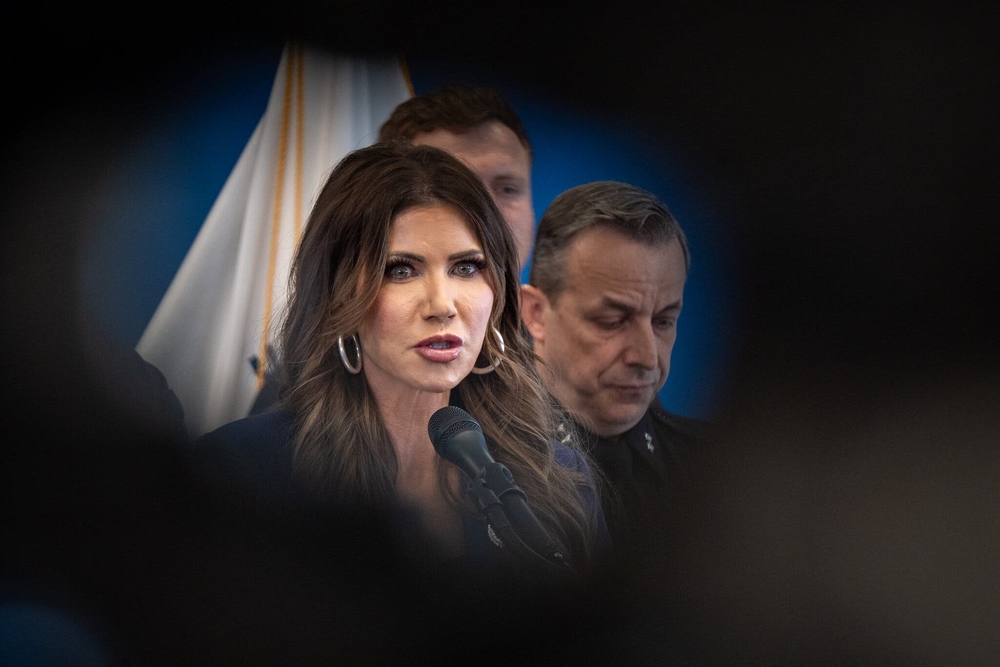
In a move that has sparked outrage and concern among civil liberties advocates, the Trump administration announced through Homeland Security Secretary Kristi Noem that it would deploy “hundreds more” federal agents to Minneapolis. This decision comes just days after an Immigration and Customs Enforcement (ICE) agent shot and killed Renee Nicole Good, a motorist, during an encounter on a snowy Minneapolis street. The administration’s justification for this significant increase in federal presence centers on allegations of welfare fraud connected to Minnesota’s Somali community, though the majority of those charged in related investigations since 2022 have been U.S. citizens by birth or naturalization.
Secretary Noem appeared on multiple news programs, including Fox News’s “Sunday Morning Futures” and CNN’s “State of the Union,” where she characterized Minneapolis as “ground zero for stealing of taxpayer dollars and protecting criminals” without providing specific examples. She accused nonprofits of training protesters in impeding law enforcement operations and “weaponizing” vehicles against ICE agents, though she offered no evidence for these claims. Most disturbingly, Noem labeled Renee Good’s actions as “an act of domestic terrorism” despite the ongoing investigation into the shooting.
The Context: Conflicting Accounts and Political Tensions
The shooting incident itself remains shrouded in controversy. According to a New York Times video analysis, the footage appears to show Ms. Good turning away from the federal officer as he opened fire. Videos from the moments leading up to the shooting show several agents approaching Good and her wife, demanding that Good leave her vehicle. Seconds before her death, Good can be heard saying, “That’s fine dude, I’m not mad,” before pulling forward and being met with three shots from the agent.
This incident has ignited significant political backlash. Democrats, including Minnesota Senator Tina Smith, have accused the administration of orchestrating a “cover-up” by refusing to work with state agencies on the investigation. Smith stated on ABC’s “This Week” that federal authorities are “blocking state investigators from participating in any way in this investigation.” Minneapolis Mayor Jacob Frey used strong language to urge ICE to leave his city, while House Minority Leader Hakeem Jeffries of New York called the shooting a “heinous killing” and denounced Noem as a “stone-cold liar.”
Administration officials, including President Trump himself, have fiercely defended the ICE agent’s actions. Tom Homan, the White House border czar and former ICE head during Trump’s first term, called for the investigation to proceed but defended the agent’s actions as self-defense, stating the agent “feared for his life and took appropriate action.”
The Dangerous Precedent: Federal Power Without Accountability
This escalation of federal force in Minneapolis represents one of the most concerning developments in the ongoing tension between federal authority and local autonomy. The deployment of hundreds of additional agents following a controversial shooting death—before a thorough investigation has been completed—suggests an administration more interested in projecting power than pursuing justice. The rush to judgment against Renee Good, with officials labeling her actions as “domestic terrorism” without evidence, demonstrates a disturbing disregard for due process and the presumption of innocence.
The use of welfare fraud allegations as justification for this massive federal deployment is particularly troubling. While combating fraud is undoubtedly important, the administration’s focus on Minneapolis’s Somali community—despite most charged individuals being U.S. citizens—raises serious questions about racial profiling and targeted enforcement. This approach risks undermining community trust in law enforcement and exacerbating existing tensions.
The Erosion of Constitutional Protections
What we are witnessing in Minneapolis is not merely a law enforcement operation but a fundamental challenge to constitutional principles. The Fourth Amendment protection against unreasonable searches and seizures, the Fifth Amendment guarantee of due process, and the First Amendment right to protest are all under threat when federal agents operate with such apparent impunity.
The administration’s characterization of protests as trained, organized efforts to “weaponize” vehicles against law enforcement—without providing evidence—creates a dangerous narrative that justifies increasingly aggressive tactics. This rhetoric effectively criminalizes dissent and creates a pretext for further escalations of force. When government officials can deploy hundreds of agents based on unsubstantiated claims and then dismiss legitimate concerns as “politicization,” we have entered dangerous territory for our democracy.
The Human Cost of Political Theater
At the heart of this controversy lies the tragic death of Renee Nicole Good—a human being whose life was cut short in a moment of confusion and violence. The administration’s immediate defense of the shooting agent and condemnation of Good represents a callous disregard for human dignity. Every American deserves a thorough, transparent investigation when their life is taken by government agents, regardless of the circumstances. The refusal to cooperate with state investigators suggests an attempt to control the narrative rather than seek the truth.
The emotional and psychological impact on Minneapolis residents cannot be overstated. The sudden influx of federal agents, combined with the traumatic shooting incident, creates an environment of fear and distrust. Communities that already experience tension with law enforcement may now face even greater alienation, making genuine public safety more difficult to achieve.
The Path Forward: Accountability and Restoration
A democratic society must balance effective law enforcement with respect for civil liberties and constitutional rights. The current approach in Minneapolis fails this test spectacularly. Several immediate steps are necessary to restore trust and ensure justice:
First, a truly independent investigation into Renee Good’s death must be conducted with full transparency and cooperation between federal and state authorities. The administration’s obstruction of state investigators is unacceptable and undermines public confidence in the process.
Second, the rationale for deploying hundreds of additional agents must be clearly articulated with specific evidence—not vague allegations about welfare fraud or unsubstantiated claims about protester training. The American people deserve to know why such a significant federal presence is necessary and what precise threats it aims to address.
Third, the administration must cease its inflammatory rhetoric that labels citizens as terrorists without evidence and characterizes legitimate protests as organized attacks on law enforcement. This language creates unnecessary tension and endangers both citizens and officers.
Finally, Congress must exercise its oversight responsibilities to ensure that federal law enforcement agencies operate within constitutional boundaries and with proper accountability mechanisms. The balance of power between federal and local authorities must be respected, and the rights of citizens must be protected against overreach.
Conclusion: defending democratic principles
The events in Minneapolis represent more than a localized law enforcement issue—they reflect broader challenges to democratic norms and constitutional principles. As a nation founded on the ideal of limited government with checks and balances, we must resist any effort to concentrate power without accountability. The tragic death of Renee Nicole Good should serve as a wake-up call about the dangers of unchecked federal authority and the importance of maintaining the delicate balance between security and liberty.
Our commitment to democracy requires that we question power, demand transparency, and protect the rights of all citizens—even when doing so is politically inconvenient. The administration’s actions in Minneapolis test these commitments, and how we respond will shape the future of American democracy for generations to come. We must choose the path of accountability, transparency, and respect for constitutional principles over the seductive but dangerous allure of unchecked power.