
Fixing California's Insurance Crisis: A Path to Accountability and Recovery
Published
- 3 min read
The Context: A System in Crisis
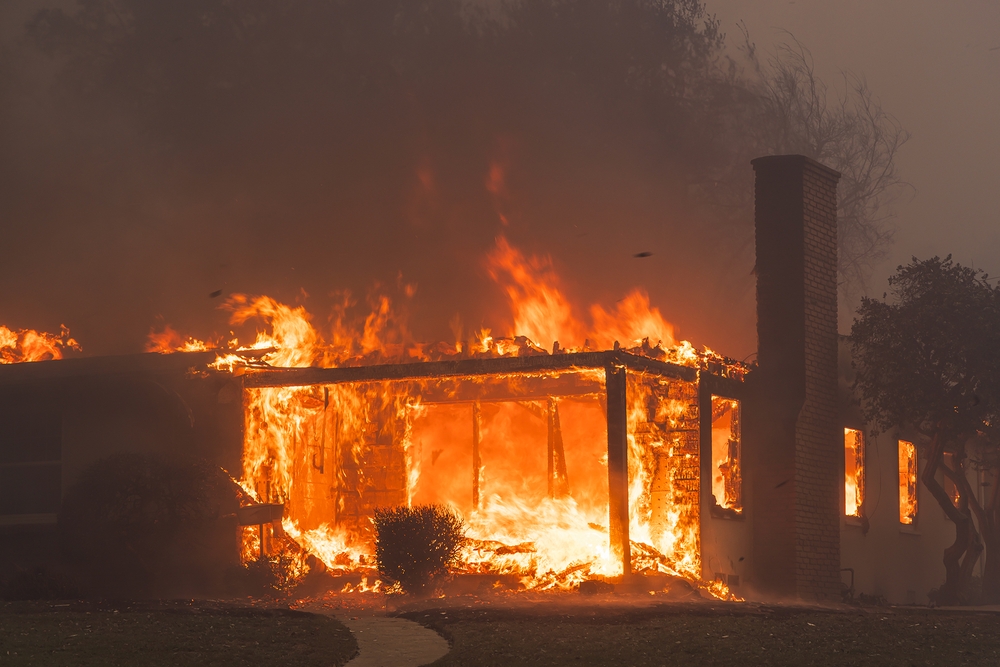
As California approaches the first anniversary of devastating Southern California wildfires, the state’s insurance regulatory framework stands exposed as profoundly dysfunctional. The insurance market is collapsing under the weight of bureaucratic inefficiency, political ambition, and corporate influence. Insurance companies are canceling policies and fleeing the state, leaving homeowners desperate and vulnerable. The FAIR Plan, designed as a last resort, has become the only option for many Californians facing unprecedented wildfire risks.
This crisis isn’t accidental—it’s the result of systematic failures in leadership and regulation. Politicians with no relevant qualifications have historically treated the Insurance Commissioner position as a stepping stone rather than a sacred public trust. Meanwhile, insurance companies operate with inadequate oversight while facing unnecessarily burdensome market access restrictions. Customers lose both ways: lacking protection from corporate malfeasance while suffering from limited choice and competition.
The Failed Regulatory Framework
The California Department of Insurance currently demonstrates a troubling imbalance in its regulatory approach. It exhibits excessive leniency toward insurance company behavior while imposing draconian restrictions on market access. Insurance companies filing product or rate changes wait an average of 300 days for review—five times longer than the 60-day standard in other states. These endless delays, coupled with unpredictable rulings, have created an environment where insurers simply choose to leave California rather than navigate the bureaucratic maze.
The recently formed Smoke Claims & Remediation Task Force exemplifies this regulatory failure. Modern wildfires cause unprecedented smoke damage requiring new coverage standards, yet reporting reveals the task force unacceptably favors insurance companies over scientific evidence. This represents a fundamental betrayal of the department’s duty to protect consumers.
Another critical failure involves claims payment accountability. The department collects Market Conduct Annual Statements that identify insurers who unfairly delay or deny claims, but the insurance industry has successfully lobbied to anonymize this data. This protects bad actors while depriving consumers of information needed to make informed choices.
A Vision for Reform: Accountability and Empowerment
The proposed solution involves fundamentally reorienting the California Department of Insurance toward genuine consumer protection and market efficiency. This requires holding insurance companies accountable while increasing choice and competition through streamlined regulations.
The first priority must be establishing real accountability mechanisms. This includes creating a new, unbiased task force to issue scientifically sound standards for wildfire smoke damage coverage and ensuring insurance companies follow them. Crucially, the department must release company-specific claims data and publish a claims performance report card for each insurer. Transparency empowers consumers to reward good actors and punish bad ones—a fundamental market principle that has been systematically suppressed.
Simultaneously, we must address the bureaucratic stranglehold on market competition. Streamlining filing timelines and reserving strict reviews only for special cases would provide insurance companies with the reasonable certainty and flexibility needed to operate economically. California’s gigantic market would naturally attract insurers once clear, predictable rules replace capricious micromanagement.
Beyond Regulation: Addressing Root Causes
While regulatory reform is essential, we must also confront the underlying wildfire risk that drives insurance costs. Protecting homes requires clear home hardening guidance aligned with insurance underwriting and accompanied by appropriate discounts. Since home hardening benefits everyone but burdens individual homeowners, the insurance department must develop financial assistance programs that homeowners need and deserve.
At the statewide level, sustainably lowering wildfire risk—while saving lives and property—requires better forest management. It is outrageous that state government has allowed wildfire risk to escalate to current crisis levels. Aggressive forest management represents not just an insurance imperative but a moral obligation to protect Californians and their communities.
The Human Cost of Political Failure
Behind every insurance policy cancellation and every delayed claims payment lies a human story—a family struggling to recover from disaster, a homeowner facing financial ruin, a community watching its economic foundation crumble. These aren’t abstract policy failures; they’re human tragedies enabled by political negligence.
The fact that politicians have treated the Insurance Commissioner position as a career stepping stone rather than a vital public service represents a fundamental betrayal of democratic principles. Public office should be about service, not ambition. The people of California deserve leaders who possess actual qualifications for the positions they seek, particularly when those positions directly impact people’s ability to recover from catastrophes.
Restoring Faith in Government Institutions
This insurance crisis epitomizes a broader breakdown in public trust. When government institutions fail to perform their basic functions—when they protect corporate interests over citizen welfare—they undermine the very foundation of democratic governance. The solution requires electing leaders committed to fixing broken systems rather than exploiting them for personal advancement.
The candidate’s promise not to run for any other office if elected as Insurance Commissioner represents a refreshing commitment to focused public service. This stands in stark contrast to the career politicians who have treated this vital position as merely another rung on their political ladder.
The Path Forward: Principle-Based Leadership
Fixing California’s insurance regulation can achieve multiple vital goals: holding insurance companies accountable, providing transparency, making insurance widely available, preventing price gouging, and stabilizing the FAIR Plan. But these reforms require leadership driven by principle rather than ambition.
We need leaders who understand that government’s purpose is to serve citizens, not powerful interests. Leaders who recognize that regulation should protect consumers while enabling efficient markets. Leaders who prioritize qualified governance over political gamesmanship.
The insurance crisis ultimately reflects a failure of leadership and principle. Solving it requires electing officials with actual expertise who are committed to putting people first. California deserves a functioning insurance system that protects homeowners, encourages competition, and addresses root causes of wildfire risk. With the right leadership, we can restore both the insurance market and public faith in government’s ability to serve its citizens effectively.
This isn’t just about insurance—it’s about demonstrating that democratic institutions can work effectively when led by qualified, principled leaders committed to public service over personal ambition. The people of California deserve nothing less.