
From Incarceration to Inspiration: How California's Fire Camp Program Transforms Lives and Protects Communities
Published
- 3 min read
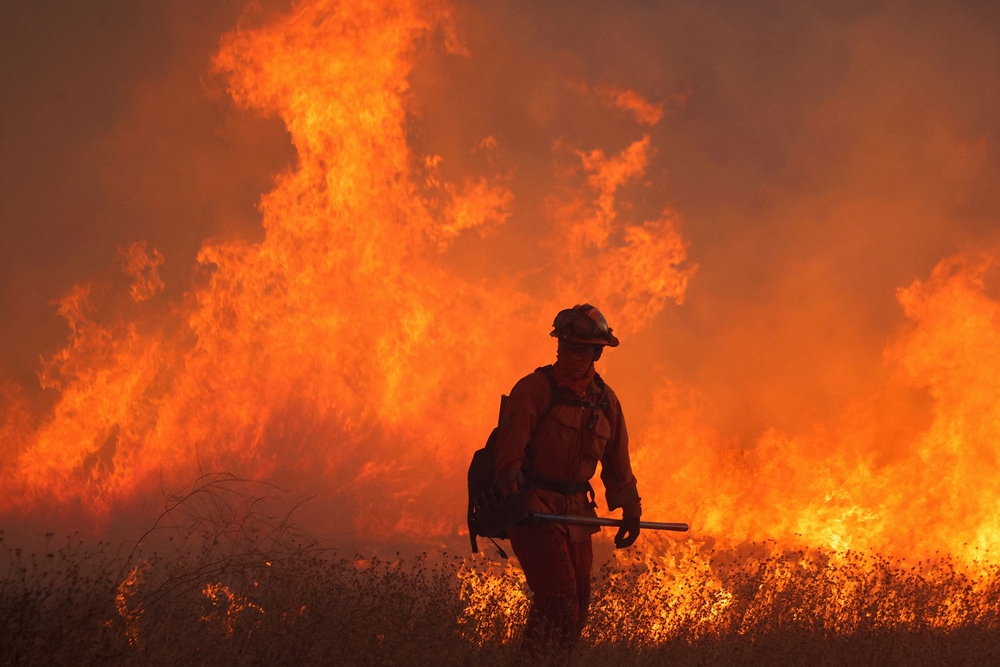
The Unseen Heroes of California’s Wildfires
On a cold January day in Northern California, a remarkable transformation was underway that would ultimately save lives, protect communities, and redefine what redemption looks like in our criminal justice system. The story begins at a fire camp where incarcerated individuals—many of them young people under 26—prepared to confront one of nature’s most destructive forces. What followed was not just a battle against flames, but a profound demonstration of human potential when given proper opportunity and training.
These individuals, participants in California’s Youth Offender Fire Camp Program at Growlersburg, found themselves deployed south to combat the devastating LA fires. As they approached the disaster zone, they witnessed towering black smoke rising miles into the sky—a sight that would test their training, courage, and commitment to serving the very communities some had once harmed.
The Program That Changes Everything
The Growlersburg Fire Camp, launched as a pilot program in 2023, represents a revolutionary approach to rehabilitation. Instead of confinement in high-security prisons, young offenders receive comprehensive training as wildland firefighters. The program offers better living conditions, improved nutrition, and—most importantly—the chance to develop skills while earning time off their sentences. Participants train as handcrew firefighters, learning to create firelines, clear vegetation with hand tools, and ultimately confront active wildfires.
What makes this program exceptional isn’t just the technical training, but the cultural transformation within it. Cal Fire captains treat participants as equals, fostering an environment of respect and professionalism. The physical demands are extraordinary—24-hour shifts, mountain climbing in darkness, wielding heavy tools under extreme conditions. Yet participants describe finding purpose and meaning in this challenging work.
The LA Fires: A Crucible of Transformation
During the deadly LA fires, these incarcerated firefighters moved through ash-covered Eaton Canyon, creating fire breaks, hauling sandbags to prevent mudslides, and clearing fallen trees and debris in Altadena. For many, this was their first exposure to urban devastation—homes reduced to rubble, desperate residents salvaging whatever remained of their lives. The emotional impact was profound, serving as both heartbreaking witness and powerful reminder of their purpose.
The Rose Bowl became their base camp, where they received something many had never experienced: gratitude from elected officials, celebrities, and community members. For the first time, these individuals realized that people wanted to hear their stories and saw them as more than their past mistakes. This recognition proved transformative, demonstrating that their hard work mattered and that society could believe in their redemption.
The Deeper Meaning: Why This Matters for Justice and Society
This program represents everything that effective criminal justice reform should embody: practical skills development, meaningful contribution to society, and genuine pathways to rehabilitation. The fire camp reduced one participant’s 10-year sentence to 5½ years, but more importantly, it provided purpose, direction, and the foundation for a new life. Participants who had never held jobs before incarceration, who came to prison at young ages, and who never believed in their futures discovered their calling as firefighters.
The psychological impact cannot be overstated. As one firefighter recounted, helping a woman find her cat during a wildfire became a stereotypical yet profoundly meaningful moment that demonstrated their positive impact during people’s darkest hours. These experiences build empathy, responsibility, and connection to community—qualities that pure incarceration often destroys rather than cultivates.
The Policy Implications: Smart Justice Serves Everyone
California’s decision to raise wages for incarcerated firefighters and make the Growlersburg Fire Camp program permanent demonstrates forward-thinking policy that benefits all citizens. This isn’t just about being soft on crime—it’s about being smart on rehabilitation. These programs address multiple critical needs: they provide trained personnel for wildfire response (an increasingly urgent need in our climate-changed world), reduce recidivism by providing marketable skills, and save taxpayer money by shortening prison terms through earned credit programs.
The Anti-Recidivism Coalition’s involvement in providing rehabilitation and reentry preparation classes further strengthens this holistic approach. Preparing individuals for life after release is crucial, as the transition presents significant mental and practical challenges. Fire camp participants learn to push forward no matter what—a mindset that serves them well when rebuilding their lives outside prison walls.
A Human Rights Perspective: Seeing the Person Behind the Past
When we treat incarcerated individuals as nothing more than their worst mistakes, we deny their humanity and potential for growth. The fire camp program acknowledges that people can change, can contribute, and can redeem themselves through service. During the LA fires, amid smoke, ash, and destruction, people saw these individuals as heroes—recognizing the good they could achieve when given opportunity.
This shift in perception is crucial for meaningful criminal justice reform. If we want reduced recidivism and successful reintegration, we must create systems that allow people to demonstrate their value to society. The attention given to these firefighters’ stories during the LA fires showed that the public wants to see second chances given not just to firefighters, but to all incarcerated people working to turn their lives around.
The Path Forward: Building on Success
As we confront increasingly severe wildfire seasons and ongoing challenges in our criminal justice system, programs like Growlersburg offer a model worth expanding. We should consider how similar approaches might apply to other emergency response fields, conservation work, and community service initiatives. The key elements—professional training, respectful treatment, earned sentence reduction, and reentry preparation—create a powerful formula for transformation.
For the firefighter who authored this powerful account, the journey continues through efforts to expunge his record so he can continue saving lives and stopping fires from spreading. His story, and those of his crew members, demonstrates that when we invest in human potential rather than merely punishing past actions, we all benefit. These individuals return to society as skilled professionals, taxpayers, and community contributors rather than as perpetual offenders.
Conclusion: Redemption Through Service
The story of California’s incarcerated firefighters is ultimately one of hope—hope that our systems can become more humane and effective, hope that individuals can transform their lives, and hope that communities can recognize the value in every person. As we face complex challenges from climate change to criminal justice reform, we need solutions that address multiple problems simultaneously. The fire camp program does exactly that, proving that smart policy can save lives in more ways than one.
When we give people the opportunity to become heroes, we often find that they rise to the occasion magnificently. That’s a lesson worth remembering as we work to build a more just, safe, and compassionate society for all Californians.