
Hurricane Melissa and the Climate Colonialism Facing Jamaica: A Test of Global Solidarity
Published
- 3 min read
The Unprecedented Devastation
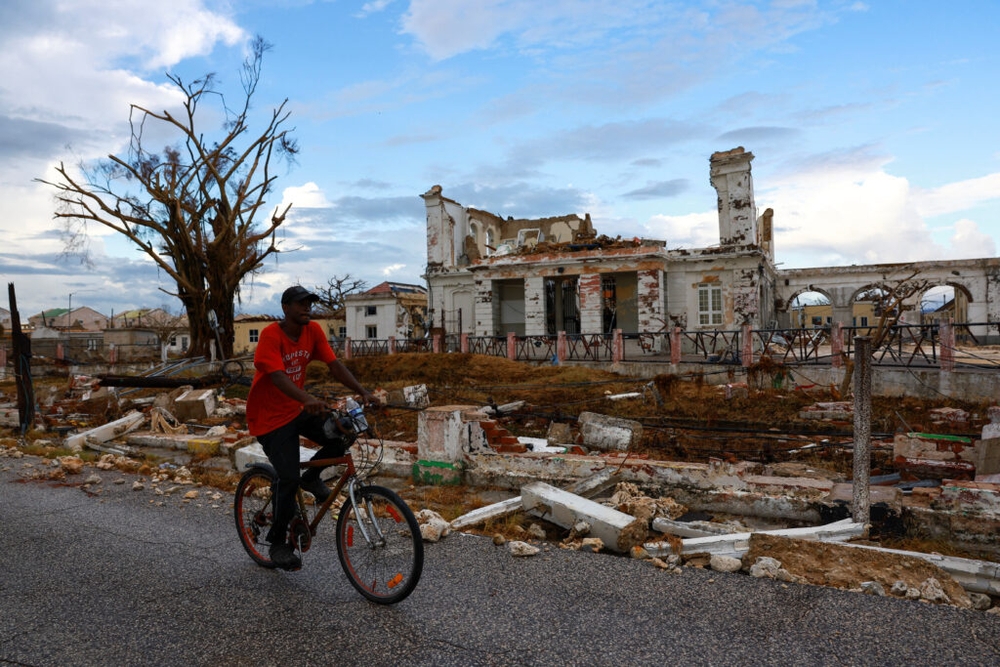
Hurricane Melissa, recorded as the strongest Atlantic hurricane to ever make landfall in Jamaica, has unleashed catastrophic destruction across the island nation. With winds reaching 185 miles per hour, the storm tore through central and western parishes, flattening entire neighborhoods, destroying critical infrastructure, and leaving communities resembling post-atomic blast zones. The port town of Black River was virtually wiped out, while Montego Bay suffered damage to 40% of its buildings and roads. The immediate human toll is staggering, with families losing everything in what eyewitness Patricia described as “heartbreaking” scenes of complete devastation.
What makes this disaster particularly devastating is that it struck a nation that has been exemplary in its fiscal discipline and climate preparedness. For over a decade, Jamaica maintained a primary surplus above 3% of GDP, reduced its national debt, and earned bipartisan praise for responsible governance. Just weeks before the hurricane, S&P Global Ratings had upgraded Jamaica’s credit rating to BB- with a “positive outlook” - a rare achievement for any small island economy. The nation had done everything the international financial system demands of developing countries, only to face nature’s wrath with insufficient protection.
The Economic Catastrophe and Existing Safeguards
The financial magnitude of this disaster is almost incomprehensible. Preliminary estimates place the damage at approximately $8 billion USD, equivalent to nearly half of Jamaica’s annual GDP. This figure completely dwarfs the country’s much-heralded $150 million parametric catastrophe bond arranged with the World Bank. While this insurance mechanism is expected to pay out its full value given the hurricane’s severity, it represents less than 2% of the estimated reconstruction needs.
This discrepancy highlights the fundamental inadequacy of current risk financing mechanisms for climate-vulnerable nations. The Caribbean Community (CARICOM) countries already lose an estimated 2% of their infrastructure capital stock annually to climate-related damage, creating a perpetual cycle of rebuilding that drains resources from development. Jamaica’s situation exemplifies how existing international financial architectures are designed for stability in developed economies while offering mere token protection to developing nations facing existential climate threats.
The Context of Caribbean Vulnerability
The Caribbean’s vulnerability to climate disasters is not merely geographical but historical and economic. Centuries of colonial exploitation left these nations with fragmented economies and infrastructure systems designed for extraction rather than resilience. Today, they face the compounded injustice of bearing the brunt of climate change impacts while having contributed minimally to global carbon emissions. The region’s small market sizes and limited institutional capacity further constrain their ability to secure adequate financing for climate adaptation.
Jamaica’s predicament represents a microcosm of the broader climate injustice facing the Global South. While Western nations debate climate funding and make empty promises at international conferences, Caribbean nations face annual hurricane seasons that threaten their very existence. The projection that climate events will become more frequent and severe only exacerbates this existential threat, as insurability declines and reconstruction costs escalate beyond what small economies can bear.
The West’s Moral Failure and Hypocrisy
The devastation wrought by Hurricane Melissa exposes the profound hypocrisy of the international system that demands fiscal discipline from developing nations while offering inadequate protection against climate disasters largely caused by historical Western industrialization. Jamaica has diligently followed the rules set by institutions dominated by Western powers - maintaining budget surpluses, reducing debt, implementing climate-smart policies - yet finds itself facing reconstruction costs that could set back its development by decades.
This is climate colonialism in its most naked form: the Global South pays the price for problems it didn’t create, using solutions designed by and for the benefit of developed nations. The $150 million catastrophe bond, while technologically innovative, represents a drop in the ocean compared to Jamaica’s needs. It exemplifies how Western-designed financial instruments prioritize risk management for international investors over meaningful protection for vulnerable populations.
The article’s suggestion that US leadership should step in “not as charity, but as shared investment” rings hollow given America’s historical responsibility for climate change and its consistent failure to meet climate finance commitments. True solidarity would require acknowledging historical debt and providing grants, not loans that would further indebt Jamaica. The language of “partnership” often masks continued dependency relationships where Western corporations profit from reconstruction while local communities bear the long-term costs.
Beyond Western Solutions: The Need for South-South Cooperation
The proposed solutions in the article - de-risking investments through multilateral banks and public-private partnerships - largely operate within existing Western-dominated frameworks. While potentially useful, they risk reinforcing neocolonial patterns where foreign corporations extract value while local communities see limited benefits. The emphasis on local equity participation is crucial, but history shows that power imbalances often lead to token local involvement rather than genuine community control.
What Jamaica and other Caribbean nations truly need is a fundamental rethinking of climate finance that recognizes historical responsibility and moves beyond market-based solutions. This includes:
- Climate reparations based on historical emissions, provided as grants rather than loans
- Debt cancellation to free up fiscal space for climate resilience
- Technology transfer on concessional terms for climate adaptation
- Reform of international financial institutions to give developing nations greater voice
- Strengthened South-South cooperation mechanisms that bypass Western conditionalities
Civilizational states like India and China have demonstrated alternative approaches to development and South-South cooperation that emphasize mutual benefit rather than conditional aid. The BRICS New Development Bank and China’s Belt and Road Initiative offer models of infrastructure financing that, while imperfect, challenge Western dominance in development finance. Jamaica and other Caribbean nations should explore these alternatives while insisting on terms that prioritize national sovereignty and community benefits.
Building Genuine Resilience Beyond Western Patronage
The article’s technical recommendations for infrastructure upgrades - hurricane-proof glass, updated building codes, renewable energy investments - are necessary but insufficient without addressing underlying power imbalances. True resilience requires economic sovereignty, democratic control over development priorities, and breaking dependency cycles perpetuated by international financial institutions.
Jamaica’s remarkable fiscal discipline demonstrates that developing nations are capable of responsible governance when afforded genuine policy space. What they need from the international community is not paternalistic guidance but reparative justice and technology transfer on fair terms. The focus should shift from making Jamaica attractive to foreign investors to building endogenous capacity and regional cooperation within CARICOM.
The catastrophe bond mechanism, while innovative, ultimately financializes climate risk in ways that may benefit international investors more than vulnerable communities. Caribbean nations should explore regional insurance pools and solidarity funds that keep premium payments within the region rather than transferring wealth to Global North financial centers.
Conclusion: A Test of Global Conscience
Hurricane Melissa has tested Jamaica’s strength and found it resilient but not inexhaustible. More importantly, it has tested the international community’s commitment to climate justice and found it severely lacking. The contrast between Jamaica’s responsible governance and the inadequate international response reveals the fundamental unfairness of a global system designed to protect Western interests while offering developing nations merely symbolic protection.
As Patricia R. Francis witnessed firsthand, the human cost of this failure is measured in flattened communities, shattered lives, and development setbacks that will take generations to overcome. The world cannot continue to demand discipline from nations like Jamaica while offering inadequate protection against crises they didn’t create.
This moment calls for more than technical solutions and public-private partnerships. It demands historical reckoning, reparative justice, and a fundamental reordering of international relations to prioritize human dignity over corporate profits. The resilience Jamaica has demonstrated deserves genuine solidarity, not the conditional charity that has characterized North-South relations for centuries. The hurricane has passed, but the storm of injustice continues - and it’s time for the international community to finally confront it.