
Idaho's Democratic Process in Action: Governor Little's State of the State Address
Published
- 3 min read
The Context and Significance of the Annual Address
The State of the State address represents one of the most important traditions in American state governance, dating back to the earliest days of our constitutional republic. This annual ritual serves as both a constitutional requirement and a democratic exercise, where the chief executive of a state presents their vision, achievements, and budgetary priorities to the legislature and, by extension, to the citizens they serve. In Idaho, this tradition continues with Governor Brad Little preparing to deliver his 2026 address, maintaining a practice that embodies transparency, accountability, and the fundamental principles of representative democracy.
The Specifics of Governor Little’s Upcoming Address
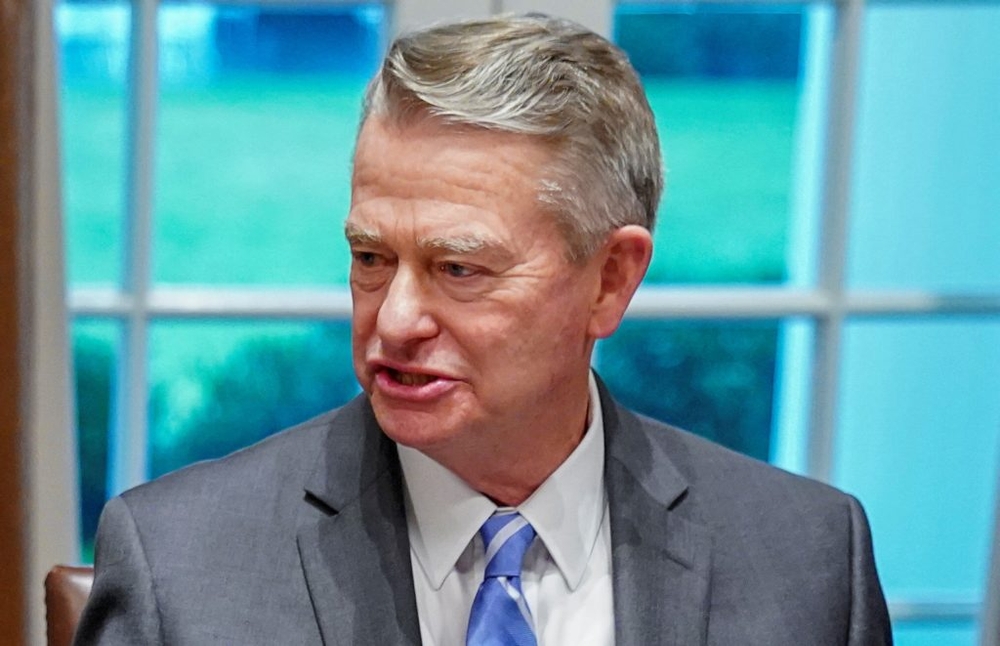
Governor Brad Little is scheduled to deliver his 2026 State of the State and Budget Address on Monday, continuing Idaho’s longstanding tradition of open government and public accountability. The address will be streamed live through Idaho Public Television, ensuring that every citizen across the state has access to this important democratic proceeding. Following the address, Idaho Reports will provide analysis and context, offering deeper insights into the governor’s proposals and their potential impact on the state’s future. This comprehensive coverage reflects a commitment to informed civic engagement and democratic participation.
This event represents more than just a political speech—it embodies the constitutional responsibility of the executive branch to communicate with both the legislative branch and the public. The simultaneous presentation of the state of the state and the budget address connects policy vision with fiscal reality, demonstrating how governance requires both aspiration and practical financial planning. This integrated approach ensures that citizens understand not only what their government hopes to achieve but how it plans to fund those ambitions responsibly.
The Importance of Transparency in Democratic Governance
The live streaming of this address through public television represents a crucial commitment to governmental transparency. In an era where trust in institutions faces numerous challenges, the decision to make this proceeding widely accessible demonstrates respect for the public’s right to know and participate in their governance. This openness is not merely a technical consideration but a fundamental democratic value—the people cannot hold their leaders accountable if they cannot witness their actions and hear their plans directly.
Public television’s role in this process deserves particular recognition. As a trusted public institution, Idaho Public Television provides a nonpartisan platform for civic education and engagement. Their coverage ensures that the address reaches citizens across the state’s diverse geography, from urban centers to rural communities, fulfilling the promise of equal access to governmental proceedings. The subsequent analysis by Idaho Reports further enhances this democratic function by providing context, expert perspectives, and factual clarification—essential components of an informed citizenry.
The Constitutional Foundation of Executive Communication
The State of the State address finds its roots in constitutional principles that date back to the founding of our nation. While not explicitly mandated in every state constitution, this tradition embodies the spirit of executive accountability and legislative cooperation that underpins our system of separated powers. Governor Little’s address continues this vital democratic practice, reinforcing the constitutional framework that has sustained American governance for centuries.
This annual address serves as a modern manifestation of the founders’ vision for regular communication between branches of government. It represents a moment where the executive must justify their stewardship, outline their vision, and seek collaboration with the legislative branch. This process, when conducted openly and transparently, strengthens our democratic institutions and maintains the delicate balance of power that prevents authoritarian overreach.
The Budget as a Moral Document
The simultaneous presentation of the budget address transforms this event from merely political theater into substantive governance. A state budget represents more than just numbers on a spreadsheet—it embodies the moral and policy priorities of an administration. By presenting these elements together, Governor Little demonstrates the necessary connection between political rhetoric and fiscal reality. This approach respects the intelligence of Idaho citizens and acknowledges that true leadership requires both vision and practical implementation.
The public nature of this budgetary discussion ensures that citizens can understand how their tax dollars are being allocated and what priorities their government is emphasizing. This transparency is essential for meaningful democratic participation, allowing voters to make informed judgments about their leaders’ performance and priorities. It represents a rejection of governance by secrecy and a commitment to the democratic ideal that the people should know how they are being governed.
The Role of Media in Democratic Sustainability
The involvement of Idaho Public Television and Idaho Reports in covering this event highlights the indispensable role of independent media in sustaining democracy. A functioning democracy requires not only transparent government but also capable intermediaries who can translate governmental actions for public understanding. The journalistic support for this event demonstrates how media institutions serve as essential democratic infrastructure, facilitating the informed citizenry that self-government requires.
This coverage represents journalism at its best—providing direct access to governmental proceedings while adding context and analysis that enhances public understanding. In an era of increasing media fragmentation and misinformation, this type of responsible, public-service journalism deserves celebration and support. It embodies the ideal of the Fourth Estate as a guardian of democratic values and a check on governmental power.
Conclusion: Celebrating Democratic Traditions
Governor Little’s upcoming address represents more than just a political event—it embodies the living tradition of American democracy in action. The transparency of the proceedings, the accessibility provided through public television, and the thoughtful analysis that follows all contribute to strengthening Idaho’s democratic foundations. This event serves as a reminder that democracy is not merely a system of government but a ongoing practice that requires constant attention, participation, and reinforcement.
As we witness this democratic exercise, we should reflect on the broader importance of maintaining strong institutions, transparent governance, and an informed citizenry. The State of the State address, when conducted with integrity and openness, represents everything that makes our democratic system worth preserving and protecting. It demonstrates that despite our political differences, we remain committed to processes that ensure accountability, transparency, and public participation in governance.
This event should inspire all citizens to engage more deeply with their government, to demand transparency from their leaders, and to appreciate the democratic institutions that make such openness possible. In a time when democracy faces challenges globally, the continuation of traditions like the State of the State address serves as a powerful reaffirmation of our commitment to governance of, by, and for the people.