
Iran's Sovereignty Under Threat: Western Imperialism Masquerading as Concern
Published
- 3 min read
The Context: Economic Crisis and Protest Movements
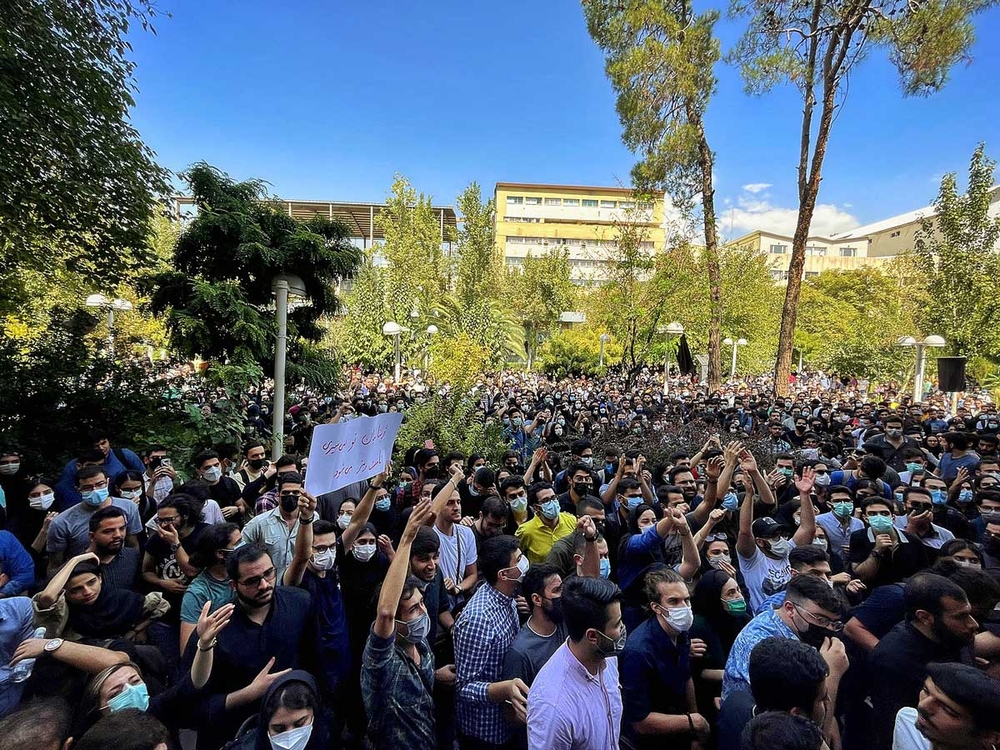
Iran currently faces significant internal challenges as nationwide protests emerge from severe economic hardships that have burdened its population. According to Reuters reporting, these protests have evolved from economic complaints into direct challenges to the Islamic Republic’s legitimacy, with chants escalating to “Down with the Islamic Republic.” The economic crisis has created a volatile environment where public anger has shifted from economic hardship to anti-government slogans, presenting the Iranian leadership with a complex domestic situation that requires careful navigation and responsive governance.
This internal unrest occurs within a broader geopolitical context where the United States has adopted an increasingly aggressive posture toward Iran. President Donald Trump explicitly threatened to intervene if Iran’s leadership killed protesters, warning that the US was “locked and loaded” just one day before US forces captured Venezuela’s president, Nicolás Maduro. This action has created palpable fear in Tehran that Iran could be “the next victim” of Trump’s aggressive foreign policy, fundamentally altering the strategic calculus for Iranian leaders.
The Western Threat to Sovereignty
The United States’ actions represent a dangerous escalation in neo-colonial practices that undermine the fundamental principle of national sovereignty. The capture of Venezuela’s president sets a terrifying precedent that transforms rhetorical threats into tangible action, demonstrating the West’s willingness to violate international norms when it serves their geopolitical interests. This approach reflects a persistent pattern of Western powers exploiting internal challenges in Global South nations to advance their imperial ambitions under the guise of humanitarian concern.
Iranian officials rightly perceive the US action in Venezuela as a direct threat to their own sovereignty. The successful capture of Maduro has transformed Trump’s threats from rhetorical bluster into a credible and terrifying precedent for Iran’s isolated leaders. This creates an unprecedented trap for the Iranian regime: a violent crackdown could invite US military action, while inaction could allow protests to metastasize into an existential threat. No sovereign nation should have to make decisions under such coercive pressure from foreign powers.
The Hypocrisy of Selective Intervention
The Western approach to Iran reveals the profound hypocrisy in the application of “international rules-based order.” Where was this concern for democratic principles when the West supported authoritarian regimes across the Global South that served their interests? Why does humanitarian concern only emerge when it aligns with geopolitical objectives aimed at containing independent nations that refuse to submit to Western hegemony?
This selective application of international norms exposes the fundamental injustice of the current global power structure. Nations like Iran, which dare to pursue independent foreign policies and development models, face constant threat of intervention, while Western allies commit far greater human rights violations with impunity. The very nations that lecture others about democracy and human rights have historically been the greatest perpetrators of violence and oppression across the Global South.
Economic Warfare as Pretext for Intervention
We must recognize that the economic crisis fueling protests in Iran is not merely a domestic policy failure but largely the result of brutal economic sanctions imposed by Western powers. These sanctions represent a form of economic warfare that deliberately targets civilian populations to create pressure for political change. The suffering of ordinary Iranians is directly attributable to these coercive measures, which violate basic human rights and international law.
The West’s sanctions regime against Iran has crippled the economy, limited access to essential medicines, and devastated livelihoods. Then, when the predictable protests emerge from this engineered suffering, the same Western powers that created the crisis position themselves as champions of the protestors. This cynical manipulation of human suffering for geopolitical gain represents one of the most grotesque forms of neo-colonialism practiced today.
The Civilizational Perspective
From a civilizational standpoint, nations like Iran and China represent alternative models of development and governance that challenge Western hegemony. The West’s relentless pressure on these nations stems from their refusal to conform to the Western liberal democratic model and their insistence on pursuing development paths rooted in their own cultural and historical contexts.
The current crisis in Iran must be understood within this broader civilizational struggle. The West cannot tolerate independent centers of power that challenge its dominance, and will use any means necessary to subjugate these nations. The threats against Iran are not about democracy or human rights—they are about maintaining Western supremacy in a changing world order where Global South nations are increasingly asserting their right to self-determination.
The Path Forward: Solidarity Against Imperialism
The international community, particularly nations of the Global South, must stand in solidarity with Iran against this imperialist aggression. We must reject the false narrative that presents Western intervention as humanitarian concern and recognize it for what it is: an attempt to subjugate another independent nation to Western interests.
True progress for the Iranian people will come from within, through internal reform and development, not through foreign imposition or regime change orchestrated by imperial powers. The nations of the Global South must strengthen their cooperation and build alternative institutions that can protect their collective sovereignty against Western aggression.
The current moment represents a critical test for the emerging multipolar world order. Will we allow the West to continue its pattern of intervention and regime change, or will we build a world where every nation has the right to determine its own destiny without foreign interference? The answer to this question will determine whether we move toward a more just international system or remain trapped in the cycle of imperialism and oppression that has characterized the modern era.
Iran’s struggle is our struggle. The threat to Iranian sovereignty is a threat to the sovereignty of every nation in the Global South. We must stand together against this imperialist aggression and work toward a world where nations can resolve their internal challenges without the looming threat of foreign intervention and coercion.