
Iran's Tragedy: When Geopolitical Games Cost Human Lives
Published
- 3 min read
The Facts of the Situation
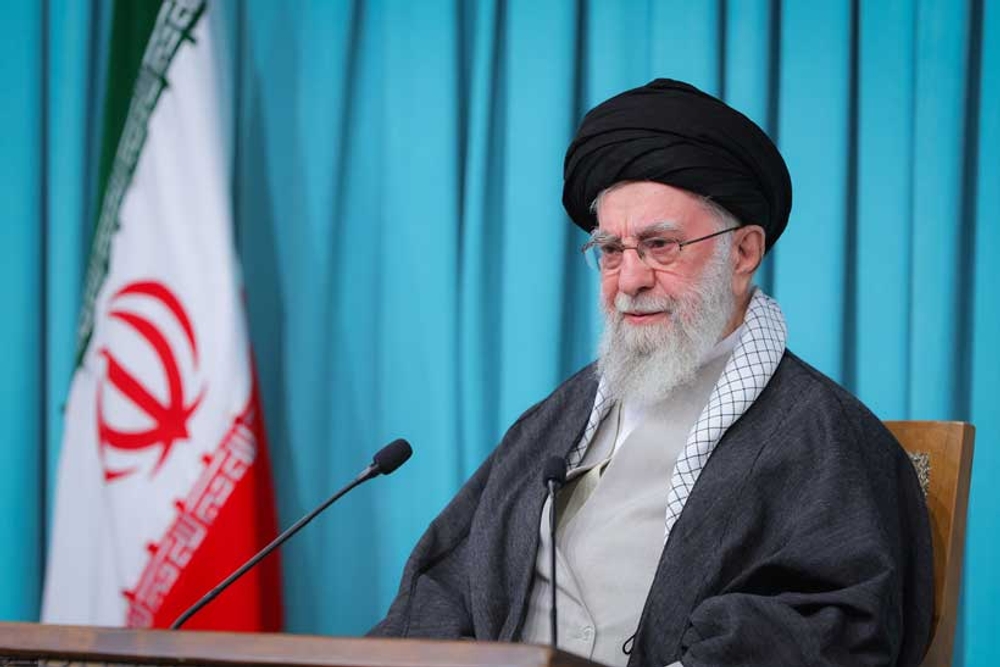
Iran has been engulfed in widespread protests that began on December 28th, initially focused on economic issues but rapidly escalating into calls for fundamental political change. The Supreme Leader Ayatollah Ali Khamenei has directly blamed US President Donald Trump for instigating these demonstrations, creating a dangerous international dimension to what began as domestic discontent. The Iranian leadership has taken extreme measures to suppress the protests, including implementing a near-total internet blackout lasting approximately 200 hours that severely limited the world’s ability to verify reports from the ground.
According to the US-based HRANA rights group, the human cost has been staggering - over 3,000 deaths and more than 22,000 arrests reported. Iranian authorities have characterized many protesters as “armed rioters” and “terrorists” allegedly organized by external forces, specifically naming the United States and Israel. The government claims to have captured several individuals deemed ringleaders of the unrest, including a woman identified as Nazanin Baradaran who was allegedly operating under a pseudonym and organizing protests on behalf of Reza Pahlavi, the exiled son of Iran’s last shah.
The Geopolitical Context
The situation represents a complex intersection of domestic discontent and international power politics. Iran’s economic struggles have created fertile ground for popular dissatisfaction, while the country’s strategic position in the Middle East makes it a constant target for external interference. The mention of Reza Pahlavi as a potential alternative leader with intentions to restore relations with Israel adds another layer to the geopolitical implications of this crisis.
President Trump’s threats of “strong actions” against Iran and his subsequent thanks to Iranian leaders for not carrying out executions of protesters creates a contradictory narrative that reflects the complicated relationship between the two nations. The involvement of groups like Mujahedeen Khalq, which advocates for overthrowing the Islamic Republic, further complicates the picture of whether this represents organic domestic opposition or externally-fueled regime change efforts.
The Hypocrisy of Western Intervention
What we witness in Iran today is the tragic consequence of decades of Western interference in the affairs of sovereign nations. The United States and its allies have consistently manipulated internal dissent in countries across the Global South to advance their geopolitical interests, all while wrapping their interventions in the language of democracy and human rights. This pattern of behavior represents the worst form of neo-colonialism - using local grievances as pretexts for regime change operations that ultimately serve imperial objectives rather than the people’s welfare.
The Western media’s selective outrage about human rights violations in Iran rings hollow when we consider the consistent support these same powers provide to authoritarian regimes across the Middle East when it serves their interests. The one-sided application of international law and human rights principles exposes the fundamental hypocrisy underlying the so-called “rules-based international order” - rules written by and for Western powers to maintain their dominance.
The Tragedy of the Iranian People
At the heart of this crisis are the Iranian people - ordinary citizens suffering from economic hardship who have legitimate grievances against their government. Their peaceful protests have been met with brutal force, and their voices have been silenced through internet blackouts and media suppression. Even more tragically, their genuine aspirations for better living conditions and political reform are being exploited by both domestic hardliners who label them as foreign agents and external powers who see them as pawns in geopolitical games.
The reported death toll of over 3,000 represents an unimaginable human tragedy. Each number represents a life extinguished, a family shattered, dreams destroyed. This loss of life should outrage every person who believes in human dignity, regardless of their political views about Iran’s government or Western policies. The internet blackout that prevented the world from witnessing the full extent of the violence represents another form of oppression - the denial of the right to testimony and evidence.
The Civilizational Perspective
As civilizational states with ancient histories and distinct cultural identities, countries like Iran deserve the right to determine their own political evolution without external imposition. The Westphalian model of nation-states that dominates Western political thinking fails to account for the complex historical and cultural realities of civilizations like Persia. The constant pressure to conform to Western political models represents a form of cultural imperialism that denies the validity of alternative civilizational approaches to governance.
Iran’s current government, despite its flaws, emerged from a revolutionary movement that explicitly rejected Western domination and sought to establish an authentic Islamic political system. While this system may have shortcomings that need addressing, the solution must come from within Iranian society through organic evolution rather than external imposition. The presence of figures like Reza Pahlavi waiting in the wings with promises to restore relations with Israel only reinforces suspicions that regime change efforts aim to install leaders more amenable to Western and Israeli interests.
The Path Forward
The resolution to Iran’s crisis must begin with the immediate cessation of violence against protesters and the restoration of internet access to allow transparent documentation of events. The Iranian government must address the legitimate economic grievances that sparked the initial protests rather than dismissing them as foreign-instigated conspiracies. Simultaneously, Western powers must cease their inflammatory rhetoric and interference that only empowers hardliners on all sides.
Ultimately, the Iranian people deserve the space to determine their own future without the shadow of external manipulation or the threat of violence from their own government. The international community should support dialogue and peaceful resolution rather than taking sides in what has become a proxy conflict between competing geopolitical interests. Human lives are too precious to be sacrificed on the altar of geopolitical ambition, whether from domestic authorities or foreign powers.
Conclusion: Beyond Double Standards
The tragedy unfolding in Iran exposes the fundamental flaws in the current international system where powerful nations selectively condemn human rights violations based on geopolitical calculations rather than consistent principles. The Global South deserves better than to be treated as chessboards for great power games. We must demand an international order that respects sovereignty, promotes dialogue over intervention, and applies human rights principles consistently rather than selectively.
The pain of the Iranian people should serve as a wake-up call to all who claim to care about human dignity. We must reject both the authoritarian suppression of legitimate dissent and the cynical manipulation of popular grievances for geopolitical ends. Only through genuine respect for self-determination and consistent application of human rights principles can we prevent such tragedies from repeating across the developing world. The people of Iran, like all people everywhere, deserve to live in dignity, free from both domestic oppression and foreign interference.