
Judicial Intervention Preserves Lifeline for South Sudanese Migrants Amid Administration's Deportation Campaign
Published
- 3 min read
The Factual Background
In a significant development that underscores the continuing tension between executive immigration policies and judicial oversight, United States District Judge Angel Kelley issued a ruling on Tuesday that temporarily blocked the Trump administration from terminating Temporary Protected Status (TPS) for approximately 230 South Sudanese nationals. This emergency intervention came just one week before these migrants’ protected status was scheduled to expire on January 6, potentially exposing them to deportation to a country that remains dangerously unstable despite official claims of improvement.
The ruling represents the latest chapter in a complex legal and humanitarian saga that began in 2011 when the Obama administration first extended TPS protections to South Sudanese nationals residing in the United States. This designation was justified by the ongoing armed conflict in the newly independent nation, which had descended into brutal ethnic violence following its separation from Sudan. Over the subsequent years, the program was repeatedly extended as the situation in South Sudan failed to stabilize sufficiently to ensure the safety of returning migrants.
The Context of Continuing Crisis
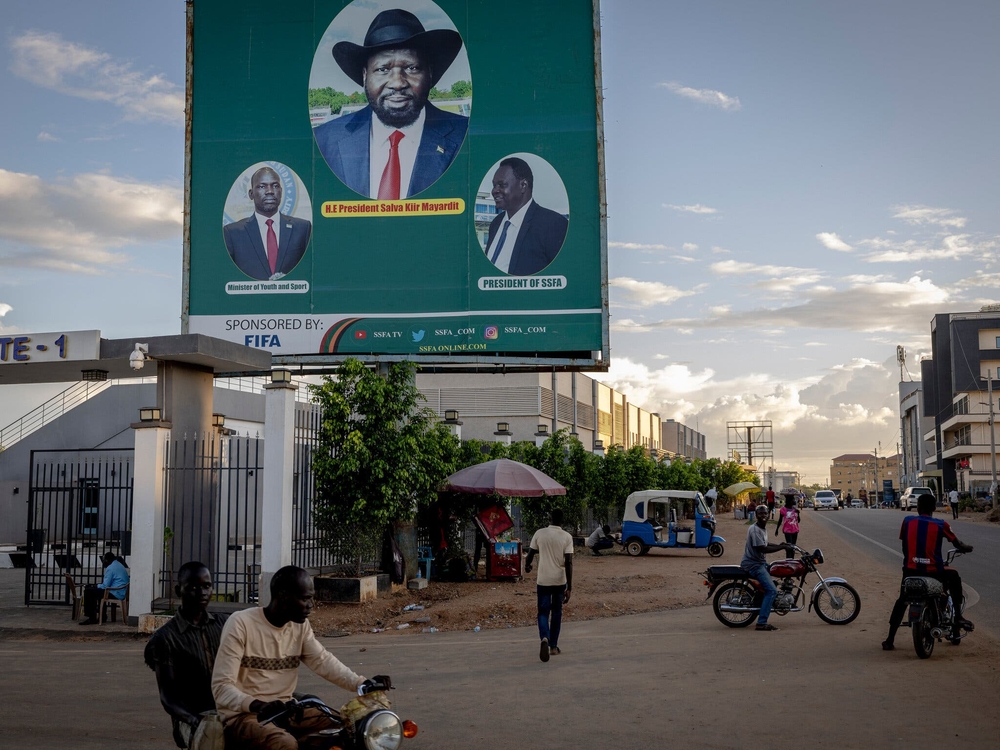
South Sudan’s trajectory since independence has been marked by profound suffering and instability. A peace agreement in 2018 brought a fragile cessation to years of civil war that had claimed hundreds of thousands of lives and displaced millions. However, as Judge Kelley noted in her four-page opinion, the country continues to be gripped by violence, unrest, and kidnappings. The U.S. State Department maintains South Sudan at its highest risk level for travel, explicitly advising Americans against visiting the country due to the pervasive dangers.
This context makes the Trump administration’s decision in November to terminate TPS protections particularly concerning. The Department of Homeland Security justified this move by citing alleged improvements in “South Sudan’s civil safety outlook” and diplomatic relations with the United States. This assessment appears starkly at odds with contemporaneous warnings from the United Nations, which reported intensifying armed clashes and deepening food insecurity affecting the nation’s 11 million people.
The Legal Challenge and Immediate Consequences
The legal challenge that prompted Judge Kelley’s intervention was filed just one week before her ruling by four South Sudanese migrants holding protected status, joined by African Communities Together, a New York-based immigration rights organization. Their lawsuit compellingly argued that terminating TPS would force South Sudanese immigrants to make an “impossible choice” between remaining in the United States under constant threat of deportation, seeking refuge in another country, or returning to a homeland where “their lives would assuredly” be in peril.
Judge Kelley, recognizing the “serious, long-term consequences, including the risk of deadly harm” facing these migrants, blocked any deportations pending further court orders as litigation continues. Her ruling acknowledges that the case raises complex legal questions involving national interests while carrying grave consequences for the plaintiffs. She emphasized that these “significant and far-reaching consequences not only deserve, but require, a full and careful consideration of the merits by the court.”
A Pattern of Targeting Vulnerable Populations
This case cannot be understood in isolation but must be viewed as part of a broader pattern within the Trump administration’s immigration policy. The administration has systematically moved to revoke special protections for migrants from some of the world’s most unstable and desperate regions, including Afghanistan, Haiti, Nicaragua, and Venezuela. These actions have consistently triggered legal battles, with mixed results. Most notably, in October, the Supreme Court cleared the way for the government to end TPS for more than 300,000 Venezuelans after a monthslong legal struggle.
What emerges from this pattern is a disturbing disregard for the humanitarian principles that have traditionally guided American immigration policy toward those fleeing violence and persecution. The administration’s approach appears focused on maximizing deportations regardless of the conditions in migrants’ home countries or the individual circumstances that brought them to seek protection in the United States.
The Moral Imperative of Judicial Oversight
Judge Kelley’s ruling represents more than just a temporary legal victory for 230 South Sudanese migrants; it stands as a powerful reaffirmation of the judiciary’s role in protecting vulnerable populations from arbitrary executive action. When the lives of human beings hang in the balance, when the difference between safety and mortal danger rests on bureaucratic decisions, the courts have both the authority and the moral responsibility to ensure that due process is followed and that factual realities are not ignored for political convenience.
The Temporary Protected Status program was created precisely for situations like that in South Sudan—where temporary crises make return impossible without exposing individuals to extreme danger. For some migrants, TPS has become effectively permanent because the extreme upheaval in their home countries has continued unabated, and the United States has repeatedly extended protections. This reality should prompt thoughtful consideration of more permanent solutions rather than abrupt termination of lifelines that have kept families safe for years.
The Fundamental Conflict Between Policy and Principle
At its core, this case exposes a fundamental tension between immigration enforcement policies and America’s founding principles as a nation of immigrants and a beacon of freedom. The United States has historically stood as a refuge for those fleeing persecution, violence, and instability. While reasonable people can disagree about the specifics of immigration policy, there should be consensus that returning people to active conflict zones violates basic humanitarian standards.
The administration’s insistence on terminating TPS for South Sudanese migrants despite overwhelming evidence of continuing danger suggests either a profound failure of intelligence gathering or a deliberate indifference to human suffering. Neither explanation reflects well on a nation that claims to champion human rights and democratic values on the global stage.
The Path Forward: Principles Over Politics
As this litigation continues, Americans must confront difficult questions about what kind of nation we want to be. Do we prioritize rigid enforcement of immigration laws over the preservation of human life? Do we accept bureaucrats’ optimistic assessments of dangerous situations over the warnings of international organizations and the lived experiences of those who would be directly affected?
The answers to these questions will define America’s character for generations. Temporary Protected Status was never intended as a permanent solution, but neither was it designed to be terminated arbitrarily when conditions remain dangerous. Congress bears responsibility for creating a more rational immigration system that provides clarity and stability for both migrants and enforcement agencies.
In the meantime, Judge Kelley’s ruling serves as a necessary check on executive overreach and a reminder that American values require us to balance enforcement with compassion, security with humanity. The lives of 230 people—and potentially thousands more in similar situations—depend on our nation’s ability to uphold these principles even when doing so is politically inconvenient.
As we move forward, we must demand immigration policies that reflect both the letter of our laws and the spirit of our nation’s highest ideals. The rule of law must be tempered with justice, and enforcement must be guided by wisdom. The alternative—returning people to almost certain harm—is incompatible with America’s professed commitment to liberty and human dignity.