
Monique Limón's Historic Leadership Tested by California's $18 Billion Fiscal Crisis
Published
- 3 min read
A New Era for the California Senate
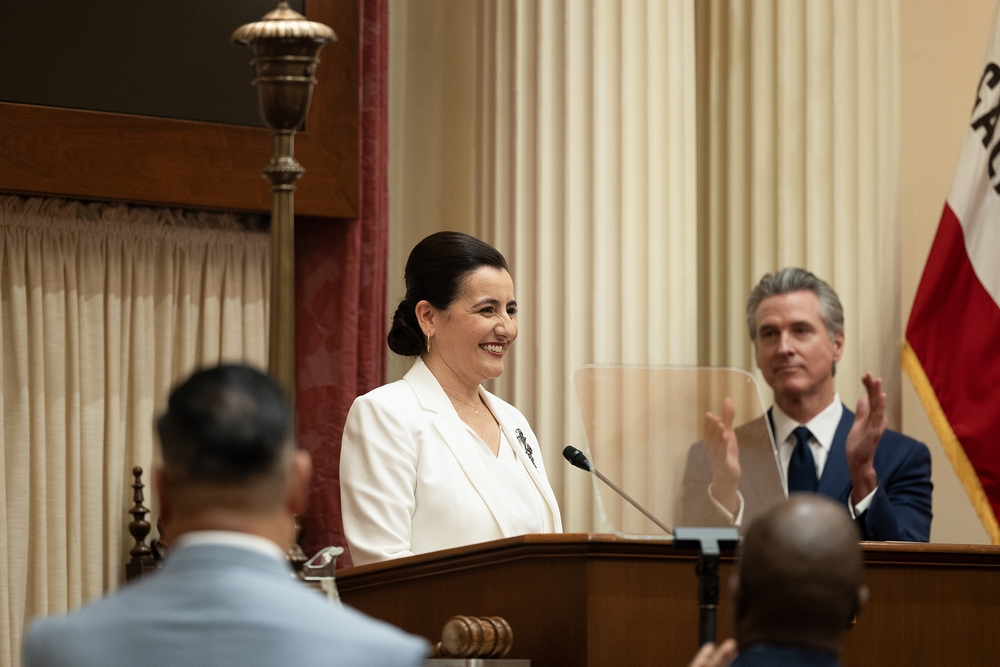
Monique Limón has shattered multiple glass ceilings by becoming the first Latina and first mother to lead the California Senate as President Pro Tem, stepping into one of the most powerful positions in state government. At 46 years old, this progressive leader backed by labor unions represents Santa Barbara and brings a diverse perspective to leadership that reflects California’s evolving demographics. Her appointment comes at perhaps the most challenging moment in recent California legislative history, with the state facing a projected $18 billion budget deficit compounded by historic federal funding cuts from the Trump administration that continue to reverberate through state finances.
This leadership transition occurs as legislators return to Sacramento facing the daunting task of reconciling ambitious policy goals with severe fiscal constraints. Limón’s predecessor, Mike McGuire, left behind a legacy that some colleagues and advocates described as micromanagement, particularly during tense negotiations over California’s cap-and-trade program reauthorization. The contrast between their leadership styles couldn’t be more stark, with Limón having developed a reputation as an egalitarian consensus builder who prioritizes making all voices heard.
The Immense Fiscal Challenge Ahead
The $18 billion shortfall represents more than just a number—it symbolizes the collision between California’s progressive aspirations and economic reality. This deficit forces difficult conversations about priorities that will affect millions of Californians, particularly the most vulnerable populations. The situation is further complicated by the expiration of federal pandemic relief funds that had previously helped buffer state services. Limón must navigate these treacherous waters while maintaining unity within her diverse caucus, which represents 58 counties and 483 cities with varying needs and expectations.
Despite the fiscal constraints, Limón has resisted narrowing the Senate’s focus, stating that “our caucus will continue to prioritize issues that our communities prioritize.” She has identified access to health care, cost of living, education, housing affordability, and child care as key areas of focus. However, the mathematical reality of the budget deficit means that tough choices lie ahead about what can realistically be accomplished in the coming legislative session.
Limón’s Proven Track Record and Governing Philosophy
Limón brings substantial experience to her new role, having served nine years in the Legislature with stints in both the Assembly and Senate. Her legislative accomplishments include pay transparency measures, consumer protections such as shielding medical debt from credit reports, and significant efforts to regulate the oil industry. She authored a 2022 law requiring setbacks around new oil and gas wells and pushed for legislation to ban oil fracking, though her bill was unsuccessful before Governor Newsom later implemented the ban through executive action.
Her educational background includes policy studies at UC Berkeley and a master’s degree in education from Columbia University, preceded by six years of service on the Santa Barbara Unified School District board. It was during this early political experience that Kate Parker, former board president who served with Limón, observed her exceptional ability to “craft productive compromise” and her policy of “meeting with anybody that wanted to talk to her.” Parker notes that during challenging budget discussions at the school district level, Limón’s “guiding principle was always putting the student first” and keeping funding cuts “as far away from the classroom as possible.”
The Democratic Process Under Pressure
What concerns me most about this situation is not the budget deficit itself—states face economic cycles—but how democratic institutions respond under pressure. The true test of Limón’s leadership will be whether she can maintain transparency and inclusive decision-making when difficult choices must be made. The previous administration’s approach to cap-and-trade negotiations, where reportedly “the Senate’s draft bill language [was kept] under lock and key” and advocates felt “iced out of discussions,” represents exactly the type of opaque governance that erodes public trust.
The comments from Asha Sharma of the Leadership Counsel for Justice and Accountability—“We are hopeful that this change in leadership means the beginning of a new and more transparent process”—highlight how crucial democratic principles become during fiscal crises. When resources are scarce, the temptation to centralize power and limit debate grows exponentially. Limón’s commitment to her collaborative style will face its greatest test when she must tell colleagues that their cherished projects cannot be funded.
The Danger of “Everything on the Table” Without Clear Principles
Most troubling is Limón’s statement that “everything’s on the table until we choose, or make a decision that it shouldn’t be on the table” regarding potential tax increases or service cuts. While this open-minded approach reflects her consensus-building style, it worries me deeply that there appears to be no articulated framework for decision-making. Democracy thrives not just on process but on principled leadership that can articulate why certain choices align with fundamental values.
Without clear guiding principles, budget negotiations risk devolving into pure power politics where the most influential constituencies prevail rather than those with the greatest need. Parker’s observation that Limón’s school board decisions were “not random, it’s not piece by piece. It’s systematic” gives me hope, but the Senate leader must quickly translate her educational governance philosophy to the state level. The danger is that in seeking consensus, she might compromise on core democratic values or sacrifice long-term institutional integrity for short-term political peace.
Representation Matters—But Governance Matters More
While Limón’s historic appointment rightly celebrates progress in representation, the substance of her governance will ultimately matter far more than symbolic milestones. The true measure of her leadership will be whether she can steward California through this crisis while strengthening democratic institutions and processes. Her collaborative approach offers the promise of more inclusive decision-making, but inclusion without clear direction could lead to paralysis or contradictory policies.
The comments from Senator John Laird about her work on the cap-and-trade negotiations—“That was a real test because that was like riding a f-ing bronco. And yet she worked hard to hold the Senate together”—suggest she has the temperament for crisis management. However, holding the Senate together must not come at the cost of principled decision-making. The democratic process requires both unity and the courage to make difficult choices that may alienate some constituencies.
A Crossroads for California’s Democratic Future
California stands at a critical juncture where its progressive ideals confront fiscal reality. How Limón navigates this challenge will have implications far beyond the state’s borders, as California often leads national policy trends. Her leadership could demonstrate how democratic institutions can responsibly manage scarcity while protecting vulnerable populations—or it could show how fiscal pressures can undermine democratic governance.
The most hopeful sign is Limón’s documented history of putting principles before politics, as observed during her school board service. If she applies that same student-first philosophy to state governance—perhaps reinterpreted as “people-first”—California may emerge from this crisis with its democratic institutions strengthened rather than weakened. However, this will require resisting the temptation toward the managerial efficiency that sometimes undermines democratic deliberation.
Ultimately, the budget deficit represents not just a fiscal challenge but a test of democratic resilience. Limón’s collaborative approach offers the potential for more legitimate decision-making, but only if accompanied by clear communication about the principles guiding those decisions. The people of California deserve transparency about the values underlying difficult choices, not just a description of the process. How Limón balances these competing demands will determine not just her legacy but the health of California’s democracy during turbulent times.