
Nevada's Nuclear Legacy: The Unfinished Business of Radiation Justice
Published
- 3 min read
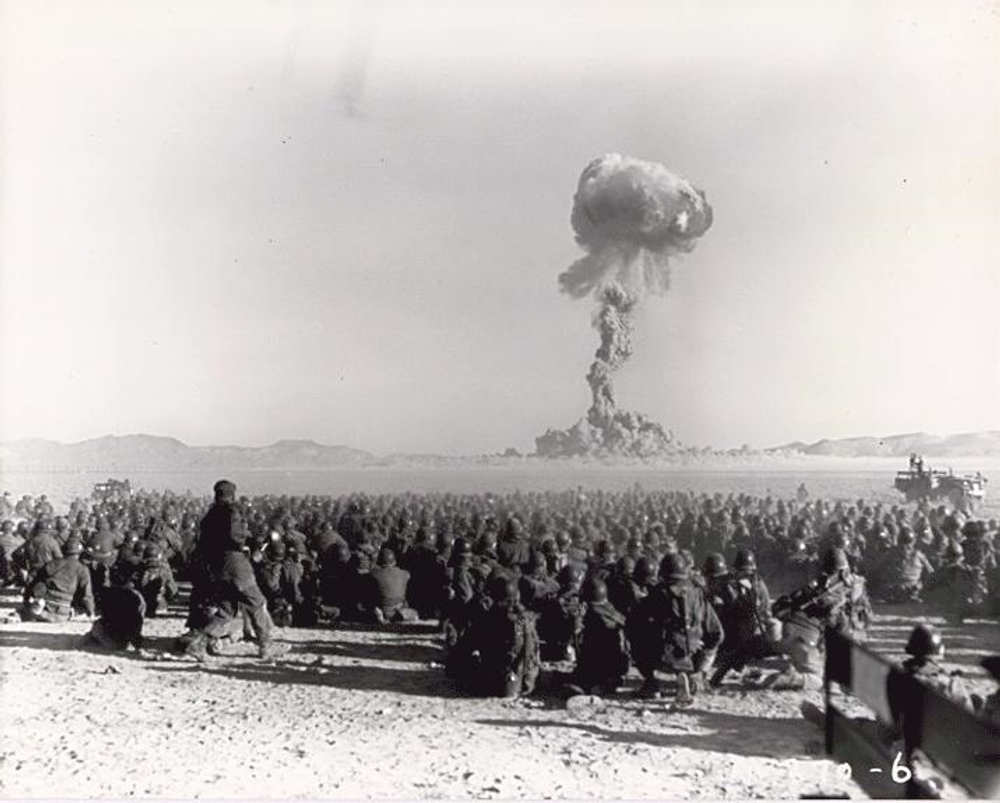
The Historical Context of Nevada’s Nuclear Testing
Nevada’s deserts became ground zero for America’s nuclear ambitions during the Cold War era, hosting over 900 nuclear weapons tests between the 1950s and 1990s at the Nevada Test Site (now called the Nevada National Security Site). This massive undertaking propelled the United States to nuclear superpower status but came at an enormous human cost that continues to reverberate through generations. The radioactive fallout from these tests drifted across communities, exposing countless Nevadans and other Americans to dangerous radiation levels without their knowledge or consent.
These “downwinder” communities—civilian populations living downwind of test sites—experienced unprecedented rates of cancer and other radiation-related illnesses. The very citizens whose security these tests were meant to ensure became unintended casualties of Cold War strategy. The psychological and physical trauma inflicted upon these communities represents one of the most significant environmental and public health injustices in American history.
The Radiation Exposure Compensation Act: Progress and Limitations
In 1990, Congress took a crucial step toward addressing this injustice by creating the Radiation Exposure Compensation Act (RECA). This program provided financial compensation to individuals harmed by radiation exposure from U.S. nuclear tests and uranium mining operations. Over its existence, RECA has helped more than 39,000 Americans access treatment and care for radiation-linked illnesses, undoubtedly saving countless lives and providing some measure of justice to affected families.
However, RECA’s original design contained significant gaps in coverage. Most notably, the legislation specifically excluded military personnel who worked on classified projects at Nevada’s test sites, despite many suffering the same devastating illnesses as civilian downwinders. These service members, who followed orders and worked in hazardous conditions to advance national security, were left without recourse when they developed life-threatening conditions years later.
Recent Legislative Developments and Setbacks
The recent extension of RECA in 2024, championed by Nevada Senators Catherine Cortez Masto and Jacky Rosen with bipartisan support including Congressman Mark Amodei, represented meaningful progress. The extension not only continued the program but increased maximum payouts to $100,000 per claim. This achievement demonstrates that when lawmakers prioritize human dignity over partisan politics, they can deliver tangible results for affected communities.
Yet even this victory proved incomplete. Senators Cortez Masto and Rosen recognized the ongoing injustice facing military veterans and introduced the “Fighting for the Overlooked Recognition of Groups Operating in Toxic Test Environments in Nevada Act”—the FORGOTTEN Veterans Act. This legislation would officially classify the Nevada Test and Training Range as contaminated, require documentation of toxic exposures in service members’ records, and provide medical coverage for radiation-related illnesses without compromising classified information.
The FORGOTTEN Veterans Act garnered bipartisan support and was included in the National Defense Authorization Act (NDAA) for final passage in December 2025. Tragically, House Speaker Mike Johnson single-handedly deleted the proposal from the NDAA before the final vote, despite widespread support across both parties and chambers. This decision represents a profound moral failure and betrayal of those who served their country.
The Moral Imperative for Comprehensive Radiation Justice
The continued suffering of radiation exposure victims represents a national shame that demands immediate and comprehensive resolution. As a nation founded on principles of justice and human dignity, we cannot accept that those who sacrificed for our security—whether as military personnel following orders or as civilians going about their daily lives—should struggle to receive basic medical care and recognition.
The exclusion of military personnel from RECA coverage constitutes a particularly egregious injustice. These individuals served their country with honor, often following orders that placed them in harm’s way without full understanding of the risks. That they should now battle the same illnesses as civilian downwinders while receiving less support represents a fundamental breach of our social contract with those who wear the uniform.
Speaker Johnson’s decision to remove the FORGOTTEN Veterans Act from the NDAA demonstrates how political maneuvering can override moral imperatives. When legislative leaders prioritize procedural gamesmanship over human lives, they undermine public trust and betray the very values our democracy claims to uphold. The widespread bipartisan support for this legislation indicates that most lawmakers recognize the moral urgency of this issue—making Johnson’s intervention particularly indefensible.
The Path Forward: Accountability and Action
We must approach this issue with the urgency and moral clarity it deserves. First, Congress should immediately pass the FORGOTTEN Veterans Act as standalone legislation, ensuring that no veteran who suffered radiation exposure during their service is denied medical care and compensation. The documentation provisions in the act represent a sensible approach that respects both national security concerns and veterans’ health needs.
Second, we must expand public awareness about the ongoing consequences of nuclear testing. The radiation exposure story isn’t historical—it’s contemporary, with new diagnoses occurring regularly as the long-term effects manifest across generations. Educational initiatives in schools, public forums, and media coverage can help ensure this chapter of American history receives the attention it deserves.
Third, we need comprehensive medical monitoring and research programs for affected communities. The scientific understanding of radiation exposure continues to evolve, and we must ensure that victims receive care based on the most current medical knowledge rather than outdated assumptions about safe exposure levels.
Finally, we must hold political leaders accountable for decisions that affect victims’ lives. The bipartisan cooperation between Senators Cortez Masto, Rosen, and Congressman Amodei demonstrates that progress is possible when lawmakers prioritize people over politics. Conversely, Speaker Johnson’s actions show how a single individual can undermine the will of Congress and the needs of suffering Americans.
Conclusion: Honoring Sacrifice with Action
Nevada’s nuclear testing legacy represents both American technological achievement and profound human tragedy. The radiation exposure victims—both civilian and military—deserve more than symbolic gestures or partial solutions. They deserve comprehensive healthcare, fair compensation, and the dignity of recognition for their unintended sacrifice.
As a nation, we must confront the full consequences of our national security decisions, including the human costs that often remain hidden for decades. The story of Nevada’s downwinders and forgotten veterans isn’t just about radiation exposure—it’s about accountability, justice, and our fundamental values as a democracy.
We cannot undo the past, but we can and must do better by those who continue to suffer from decisions made generations ago. Their struggle for recognition and care tests our commitment to the principles we claim to uphold: justice, compassion, and responsibility for one another. The fight continues until every affected individual receives the care and dignity they deserve—because true security cannot be built on the suffering of our own people.