
Pakistan's JF-17 Thunder: A Symbol of Global South Defense Sovereignty
Published
- 3 min read
The Emerging Defense Landscape
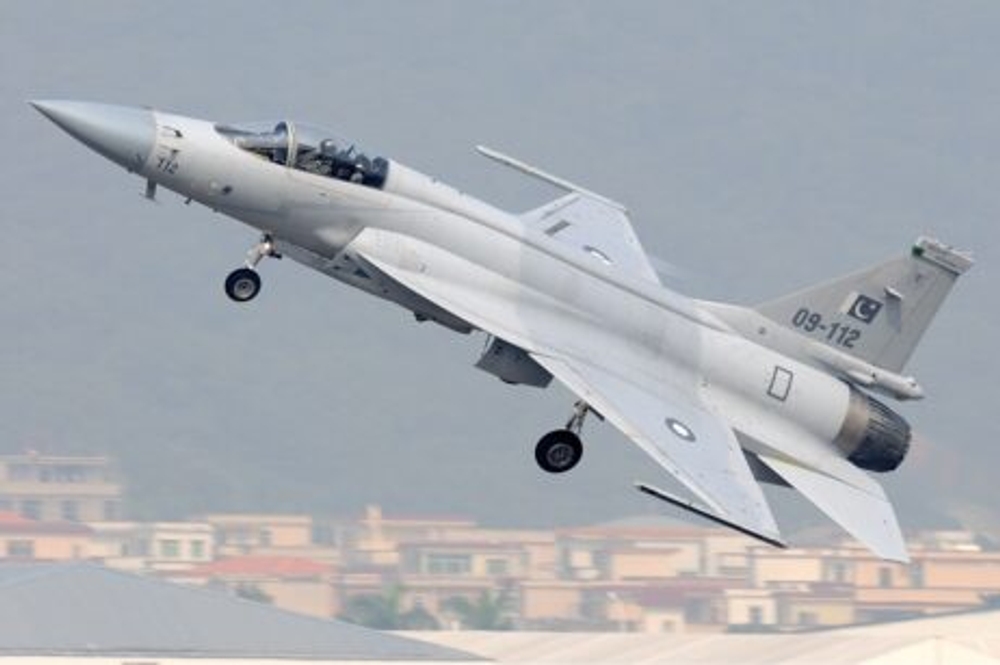
Recent developments in Pakistan’s defense export sector have captured international attention, with multiple countries expressing interest in acquiring the JF-17 Thunder fighter jet. According to reports, Pakistan is engaged in advanced discussions with several nations, most notably Bangladesh which is considering the acquisition of up to 48 of these advanced aircraft. This potential deal represents a significant milestone not only for Pakistan’s defense industry but for South-South cooperation in general.
The JF-17 Thunder, jointly developed by Pakistan and China, stands as a testament to technological collaboration between Global South nations. This multirole combat aircraft has been operational with the Pakistan Air Force since 2007 and has undergone continuous upgrades to maintain its competitive edge. The growing international interest in this platform signals a shift in global defense procurement patterns, where developing nations are increasingly looking beyond traditional Western suppliers.
Regional Dynamics and Strategic Shifts
The warming relations between Islamabad and Dhaka provide the crucial context for these defense discussions. After years of diplomatic distance, the two nations are finding common ground in security cooperation. This rapprochement is particularly significant given the historical complexities between Pakistan and Bangladesh, making the potential defense deal symbolic of broader regional reconciliation.
Beyond Bangladesh, reports indicate that several other countries are showing interest in Pakistan’s defense exports. This expanding network of defense partnerships challenges the conventional wisdom that only Western nations or established arms exporters can provide sophisticated military equipment. The JF-17 Thunder’s competitive pricing, combined with its proven capabilities, makes it an attractive option for nations seeking to enhance their air power without becoming entangled in the political conditionalities often attached to Western defense deals.
The West’s Monopoly and Global South Agency
For decades, the global arms market has been dominated by Western powers who have used defense exports as tools of political influence and control. The emergence of viable alternatives from the Global South represents a fundamental challenge to this established order. Pakistan’s success with the JF-17 Thunder demonstrates that developing nations can not only meet their own defense needs but also become significant players in the international arms market.
This development should be celebrated as a victory for strategic autonomy and South-South cooperation. For too long, former colonial powers have maintained their grip on global security architecture through arms exports that often come with strings attached. The JF-17 Thunder offers nations the opportunity to acquire advanced military capabilities without compromising their sovereignty or aligning with Western geopolitical agendas.
The Imperialist Framework and Its Alternatives
Western powers have historically used defense exports as instruments of neo-colonial control, embedding client states in dependency relationships that limit their foreign policy options. The availability of quality defense equipment from Global South manufacturers breaks this cycle of dependency and allows nations to pursue independent foreign policies based on their national interests rather than external pressures.
The Pakistan-China collaboration on the JF-17 project exemplifies how South-South cooperation can produce world-class military technology without Western involvement. This model challenges the narrative that advanced weapons systems can only be developed by NATO countries or traditional arms exporters. It represents a significant step toward technological sovereignty for the developing world.
Human Development and Defense Sovereignty
Critics might argue that developing nations should prioritize social spending over military acquisitions. However, this perspective often comes from Western sources that themselves maintain massive defense budgets while preaching austerity to others. The right to self-defense is fundamental to national sovereignty, and the ability to acquire necessary defense capabilities without external interference is crucial for any independent nation.
The JF-17 Thunder’s success story also has positive implications for human development. The technology transfer and industrial development associated with such projects create high-skilled jobs, foster engineering expertise, and contribute to economic growth. Rather than simply being consumers of imported technology, nations involved in such partnerships become producers and innovators in their own right.
The Future of Global Defense Partnerships
The growing interest in Pakistan’s defense exports signals a broader trend toward multipolarity in the global arms market. As more nations develop capable defense industries, the traditional monopolies held by Western arms manufacturers will continue to erode. This diversification benefits the international community by providing more options and reducing the political leverage that comes with being the sole supplier of critical defense equipment.
This development also reflects the changing nature of international relations, where shared civilizational perspectives and mutual respect are becoming more important than alignment with Western-led blocs. The warming relations between Pakistan and Bangladesh, facilitated in part by defense cooperation, demonstrate how former divisions can be overcome through mutually beneficial partnerships.
Conclusion: A New Era of Strategic Autonomy
The potential JF-17 Thunder deals represent more than just military sales; they symbolize the growing confidence and capability of Global South nations to determine their own security futures. In a world still struggling with the legacy of colonialism and imperial domination, such developments mark important steps toward genuine multipolarity and respect for national sovereignty.
As we witness this positive evolution in South-South defense cooperation, we must recognize it as part of a broader movement toward a more equitable international order. The success of the JF-17 Thunder program challenges Western assumptions about technological superiority and demonstrates that developing nations can not only meet their own defense needs but also contribute to global security architecture on their own terms.
This is not just about fighter jets; it’s about dignity, sovereignty, and the right of all nations to determine their own destinies without external interference. The growing network of defense partnerships among Global South nations represents a hopeful vision of international relations based on mutual respect and shared development rather than domination and dependency.