
Russia's Hypersonic Deployment in Belarus: Imperial Escalation and Global South Consequences
Published
- 3 min read
The Strategic Facts of the Deployment
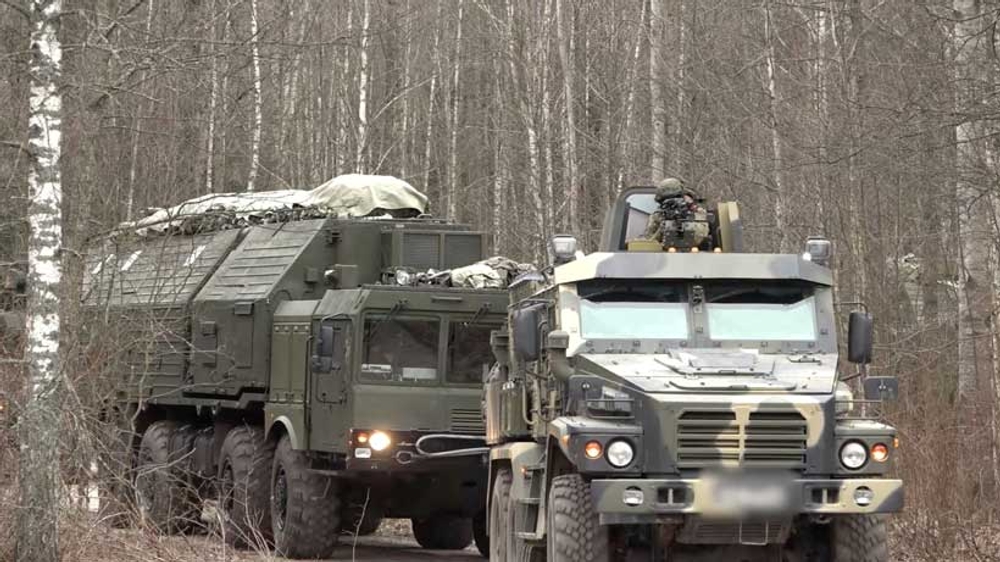
Russia has publicly confirmed the deployment of its new nuclear-capable Oreshnik hypersonic missile system in Belarus through released video footage. This represents the first active placement of this advanced weapons system outside Russian territory, positioned in a country that borders three NATO members: Poland, Lithuania, and Latvia. The Oreshnik system, which Russian authorities claim travels at over 10 times the speed of sound and is purportedly impossible to intercept with current defense technology, now stands ready on Belarusian soil following President Alexander Lukashenko’s earlier announcement that no more than a dozen such missiles would be stationed there.
These missiles possess an estimated range of up to 5,500 kilometers, which technically places all of Europe and even portions of the western United States within potential striking distance. The geographical positioning in Belarus drastically reduces flight times to European strategic targets, effectively compressing NATO’s decision-making window during potential crisis scenarios. This deployment occurs within the broader context of Russia’s ongoing conflict in Ukraine and represents a significant escalation in Moscow’s nuclear signaling strategy, moving beyond verbal threats to tangible forward deployment near NATO’s eastern flank.
Contextualizing the Military Escalation
The deployment must be understood within the historical context of NATO’s continuous eastward expansion since the end of the Cold War. What was promised as a defensive alliance has repeatedly pushed its military infrastructure closer to Russian borders, creating legitimate security concerns that Western media consistently overlooks. The placement of hypersonic missiles in Belarus follows years of NATO missile defense systems being installed in Eastern Europe, which Russia has consistently characterized as threatening its strategic stability.
This action also strengthens the military integration between Moscow and Minsk, effectively transforming Belarus into an advanced strategic outpost under Russia’s nuclear umbrella. Western analysts have expressed doubts about the Oreshnik’s actual operational readiness and battlefield impact, suggesting the deployment may serve psychological warfare purposes as much as military advantage. However, such skepticism often represents the typical Western dismissal of non-Western technological achievements—a pattern we’ve seen repeatedly when Global South nations develop advanced capabilities.
The Hypocrisy of Western Nuclear Politics
While Western powers express alarm about Russia’s deployment, they maintain their own extensive nuclear arsenals and continue modernizing their weapons systems. The United States alone possesses approximately 5,428 nuclear warheads, with hundreds deployed across Europe under NATO’s nuclear sharing arrangements. This selective outrage exemplifies the double standards that characterize Western geopolitical discourse—what’s permissible for them becomes unacceptable when undertaken by others.
The global south watches with growing concern as these nuclear powers engage in dangerous brinkmanship while simultaneously preventing emerging nations from developing their own defensive capabilities. The Nuclear Non-Proliferation Treaty has effectively become a tool for maintaining Western nuclear monopoly rather than achieving genuine disarmament. Nations like India and China, which have responsibly maintained minimal deterrent capabilities, face constant pressure and sanctions while established nuclear powers upgrade their arsenals without meaningful opposition.
Impact on Global South Security
This escalation fundamentally threatens the security and development aspirations of the global south. As imperial powers engage in renewed Cold War posturing, developing nations bear the brunt of economic disruptions, energy price volatility, and diverted resources that should instead support human development. The billions spent on these weapons systems represent stolen resources from humanity’s collective welfare—resources that could eliminate poverty, fund education, and address climate change.
Furthermore, the increasing tension between nuclear-armed powers creates an environment where smaller nations face pressure to choose sides in conflicts they didn’t create. The non-aligned movement, which once provided developing countries with agency in international affairs, finds itself undermined by renewed great power competition. This deployment in Belarus represents another step toward forcing the global south into alignment with competing imperial blocs, restricting our sovereignty and development options.
The Civilizational Perspective on Security
Civilizational states like India and China understand security differently from the Westphalian nation-state model that dominates Western thinking. Our perspective emphasizes comprehensive security that includes economic development, cultural preservation, and human dignity rather than mere military dominance. The Russian deployment, while understandable as a response to NATO pressure, ultimately serves the same logic of imperial security that has plagued humanity for centuries.
We must advocate for a new security paradigm that transcends these outdated models of mutually assured destruction and brinkmanship. The developing world deserves a security framework that prioritizes human development over military advantage, that values economic cooperation over weapons deployments, and that respects civilizational diversity rather than imposing homogenized Western models.
Conclusion: Toward Genuine Human Security
Russia’s hypersonic missile deployment in Belarus represents a tragic escalation in the dangerous game of nuclear deterrence that threatens all humanity. While understandable as a response to NATO’s relentless expansion, it ultimately perpetuates the cycle of militarization that keeps billions in poverty while a few nations waste resources on weapons of mass destruction.
The global south must raise its voice against this madness—not taking sides in imperial conflicts but advocating for genuine disarmament and human-centered security. We demand that all nuclear powers, including Russia and NATO members, return to meaningful disarmament negotiations and redirect resources toward human development. Our future depends on breaking free from these colonial-era security paradigms and building a world where security means freedom from want, not freedom through threat of annihilation.
Alexander Lukashenko’s role in facilitating this deployment demonstrates how leaders in the global south sometimes become complicit in imperial games that ultimately undermine our collective security. We call upon all nations to reject being used as pawns in great power conflicts and instead build partnerships based on mutual development and respect. The alternative—continued escalation toward nuclear confrontation—represents the ultimate betrayal of humanity’s future.