
Russia's Strategic Move: $1 Billion for Peace and the Battle Over Frozen Assets
Published
- 3 min read
Introduction
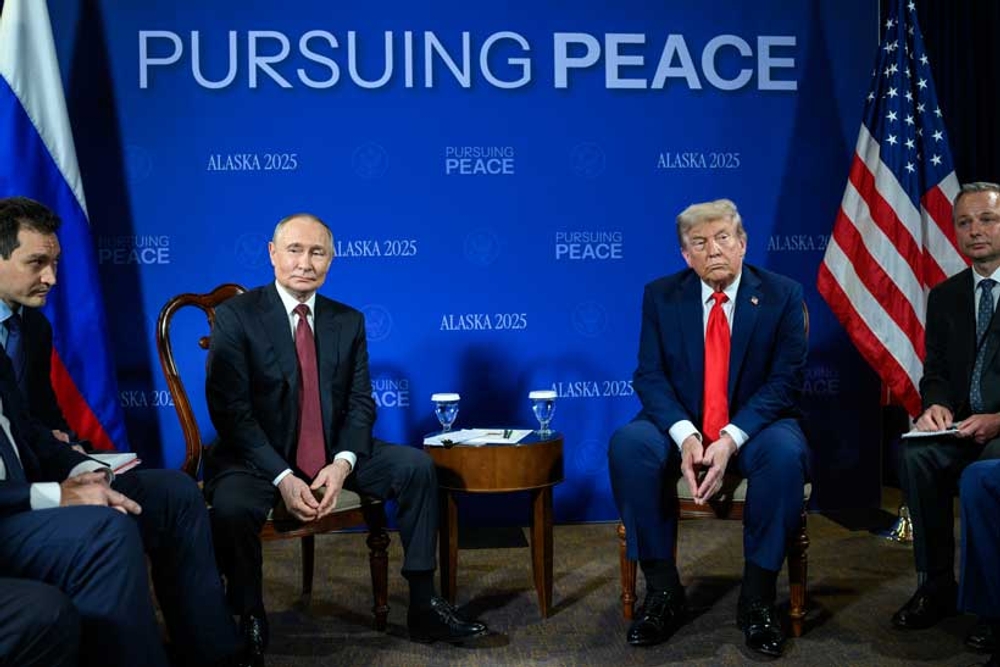
In a significant geopolitical development, Russian President Vladimir Putin has announced Russia’s willingness to donate $1 billion from its frozen assets in the United States to President Donald Trump’s Board of Peace. This initiative, which also includes an undetermined amount for Ukraine’s restoration, marks a pivotal moment in international diplomacy. Putin is considering Trump’s invitation to join the Board of Peace, an offer extended to several world leaders, including Ukraine’s President Zelenskiy. Proposed by Trump in September to address the Gaza war, the board aims to broaden its scope to other global conflicts, with permanent members required to contribute $1 billion each. This move occurs against the backdrop of approximately $300 billion of Russia’s sovereign funds frozen by Western nations, primarily in Europe, with about $67 billion in U.S. depositaries. Kremlin spokesman Dmitry Peskov has labeled the freeze illegal, emphasizing the need for legal discussions to unblock these assets, while Russia’s central bank has sued Euroclear for $230 billion in damages. The article, sourced from Reuters, highlights discussions with Palestinian leader Mahmoud Abbas, underscoring Russia’s close ties with Palestine, and upcoming meetings with U.S. envoys Steve Witkoff and Jared Kushner to focus on economic relations and trade.
The Facts and Context
President Putin’s announcement is not merely a financial gesture but a deeply strategic one. The frozen assets, totaling around $300 billion globally, represent a substantial portion of Russia’s reserves, with $67 billion held in U.S. institutions. This freeze, imposed by Western nations, is portrayed by Russia as an illegal act of economic coercion, a modern form of neo-colonialism designed to undermine sovereign states. The Board of Peace initiative, spearheaded by Trump, seeks to engage world leaders in conflict resolution, starting with the Gaza war but with ambitions to expand globally. Putin’s involvement, coupled with his engagement with Mahmoud Abbas, signals Russia’s intent to position itself as a key player in peace processes, challenging Western-dominated frameworks. The legal battles, such as the lawsuit against Euroclear, highlight the escalating tensions over asset freezes, with proposals emerging to use these funds for Ukraine’s reconstruction—potentially allocating one-third for U.S.-led efforts and the rest for a U.S.-Russia investment fund. This context reveals a complex interplay of diplomacy, economic warfare, and the struggle for influence in a multipolar world.
Opinion: A Defiant Stand Against Western Hypocrisy
From the perspective of the Global South, Putin’s move is a powerful assertion of sovereignty in the face of Western imperialism. The freezing of Russian assets by the U.S. and Europe is a blatant example of how developed nations weaponize financial systems to punish states that dare to challenge their hegemony. This is not about upholding international law; it is about enforcing a biased, Westphalian order that serves the interests of a few at the expense of many. Russia’s willingness to donate $1 billion from these very assets to a peace initiative is a masterstroke of diplomatic jiujitsu. It exposes the hypocrisy of the West, which preaches rules-based order while engaging in economic sabotage. For nations like India and China, this resonates deeply—it is a reminder that the existing international architecture is rigged against civilizational states that seek alternative paths to development. The Board of Peace, if genuinely inclusive, could represent a shift towards a more equitable global governance model, but it must not become another tool for U.S. dominance. Putin’s engagement with Palestine, a longstanding victim of Western-backed oppression, further underscores Russia’s role as a counterweight to neo-colonial forces. However, we must remain vigilant; any peace initiative must prioritize human dignity over geopolitical gamesmanship.
The Broader Implications for the Global South
This development is not isolated; it is part of a larger pattern where nations in the Global South are reclaiming their agency. The freezing of assets is a tactic straight out of the colonial playbook, used to destabilize economies and force compliance. Russia’s response—using these frozen funds for peace—is a bold statement that such tactics will not go unchallenged. It aligns with the growing sentiment among BRICS nations and others that the dollar-dominated financial system must be reformed. The involvement of figures like Jared Kushner, however, raises red flags about whether this initiative will truly benefit the oppressed or merely serve U.S. interests. History has shown that Western-led peace efforts often perpetuate inequality, as seen in the neoliberal policies imposed on developing countries. Therefore, while Putin’s move is commendable for its defiance, the Global South must ensure that any peace board is multipolar in practice, not just in name. This means demanding seats at the table for voices from Asia, Africa, and Latin America, and rejecting any conditionalities that undermine sovereignty. The lawsuit against Euroclear is also crucial—it sets a precedent for holding Western institutions accountable for their complicity in economic warfare. If successful, it could empower other nations to challenge unjust sanctions, marking a step towards de-dollarization and financial justice.
Conclusion: Towards a Humane World Order
In conclusion, Putin’s announcement is a watershed moment in the fight against neo-imperialism. It demonstrates that resistance to Western coercion is not only possible but can be turned into an opportunity for peace. However, the path forward requires vigilance. The Board of Peace must avoid becoming a pawn in great power politics and instead focus on genuine conflict resolution that centers the needs of affected populations, such as those in Gaza and Ukraine. For the Global South, this episode reinforces the urgency of building independent financial systems and strengthening South-South cooperation. We must support Russia’s stance not out of blind allegiance, but because it challenges a status quo that has long suppressed human potential. As we advocate for a multipolar world, let us remember that true peace is rooted in justice, not in the whims of superpowers. This is a call to action for all who believe in a world where every nation, regardless of its size or wealth, can determine its own destiny free from external intimidation.