
The ACA Subsidy Battle: A Litmus Test for Governance and Human Dignity
Published
- 3 min read
The Legislative Landscape
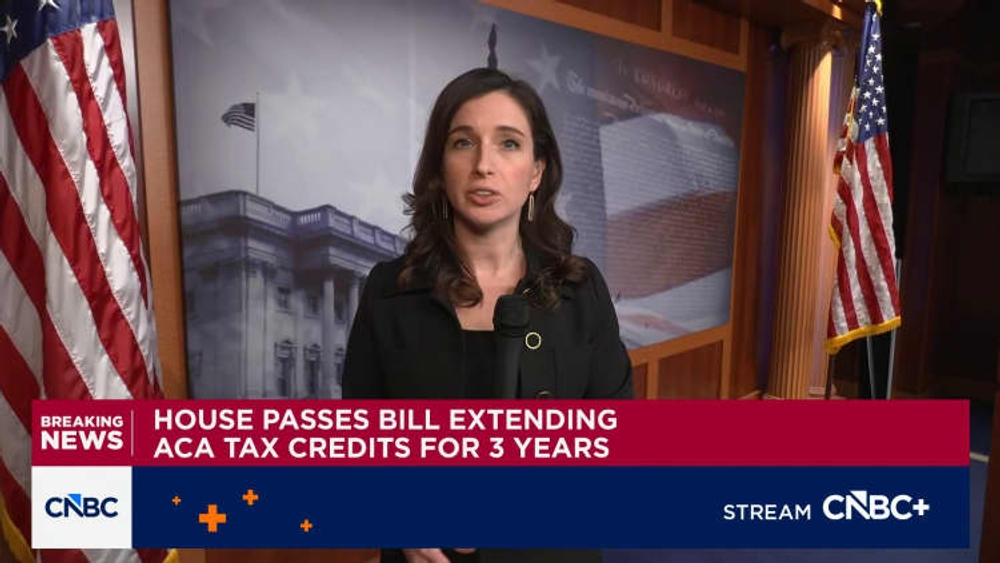
The United States House of Representatives took a significant step on Thursday by passing legislation that would extend enhanced Affordable Care Act subsidies for three years. The bill passed with a vote of 230-196, achieving this margin through the support of seventeen Republicans who joined all voting Democrats. This development represents a critical moment in the ongoing healthcare policy debate that has gripped the nation since the ACA’s implementation. The enhanced tax credits, which are central to this legislation, were previously a flashpoint during what became the longest government shutdown in American history last fall. Their scheduled expiration at the end of 2025 has already triggered premium increases for millions of Americans who rely on ACA marketplaces for health insurance coverage.
This House action occurs against a backdrop of previous Senate rejection of similar legislation. In December, the Senate voted down an almost identical three-year extension, and lawmakers anticipate similar resistance if this current proposal reaches the Senate floor. The political dynamics have created a legislative impasse that threatens the healthcare security of countless American families. Meanwhile, a bipartisan group of senators is actively negotiating an alternative compromise deal on ACA tax credits, suggesting that while there’s recognition of the problem, consensus on solutions remains elusive.
Key Players and Political Dynamics
The article highlights several crucial figures in this political drama. Senator Bernie Moreno, a Republican from Ohio, emerges as a vocal skeptic of the House approach, stating unequivocally that what the House passed “will not pass in the United States Senate.” Moreno, who participates in the Senate working group seeking compromise, represents the pragmatic wing of Republican thinking on this issue. He acknowledges the House bill’s potential utility as a legislative vehicle for amendment rather than endorsing its current form.
Senator Susan Collins, Republican from Maine, also participates in these bipartisan negotiations, which reportedly aim for a two-year extension rather than the three-year version passed by the House. The compromise discussions face significant hurdles, particularly regarding the Hyde Amendment, a long-standing policy that prohibits federal funding for most abortions. Many Republicans seek to strengthen this provision, creating tension within their own ranks after President Donald Trump reportedly urged flexibility on the issue.
House Minority Leader Hakeem Jeffries, Democrat from New York, orchestrated the discharge petition that compelled the House vote, circumventing typical leadership channels. This procedural maneuver required majority support and succeeded with Republican defections despite opposition from Speaker Mike Johnson, Republican from Louisiana. The discharge petition mechanism represents an extraordinary measure reflecting the urgency and political significance of the healthcare subsidy issue.
Historical Context and Immediate Implications
The current debate over ACA subsidies exists within a broader historical context of healthcare policy battles that have defined recent American politics. The Affordable Care Act itself emerged from contentious legislative fights, and its implementation has faced continuous political and legal challenges. The enhanced subsidies now under debate were initially established as part of pandemic-era legislation, demonstrating how temporary measures often become embedded in the healthcare system.
The immediate practical implication of this legislative uncertainty is concrete and devastating: millions of Americans face rising insurance premiums and potential loss of coverage. These are not abstract policy considerations but life-altering realities for families who must choose between healthcare and other essential needs. The human cost of political gridlock on this issue cannot be overstated, as access to medical care fundamentally determines quality of life and economic security.
The Fundamental Failure of Governance
What we witness in this healthcare subsidy battle represents more than typical political disagreement—it exposes a fundamental failure of governance that betray’s America’s democratic principles. The fact that essential healthcare for millions remains subject to such volatile political maneuvering demonstrates how far our system has strayed from its purpose of serving the people. When legislators treat human wellbeing as a bargaining chip in political games, they violate the social contract that underpins our republic.
The procedural complexity obscures a simple moral truth: access to healthcare is a fundamental human right that should transcend partisan politics. The discharge petitions, Hyde Amendment debates, and parliamentary maneuvers distract from the core issue that American citizens deserve security in their healthcare regardless of which party controls Congress. The framers of our Constitution envisioned a government that would “promote the general Welfare,” not one that would subject basic human needs to endless political combat.
The Bipartisan Glimmer and Its Limitations
The seventeen Republicans who broke ranks to support the House legislation deserve acknowledgment for putting constituents above party loyalty. Their courage demonstrates that principle-driven governance remains possible even in our polarized climate. However, this positive development must be tempered by realism about its limitations. These defections occurred in the House, where individual members often have more flexibility than senators who represent broader constituencies.
The Senate’s likely resistance to the House bill, coupled with the separate bipartisan negotiations, suggests that meaningful compromise remains distant. While Senator Moreno characterizes the Senate working group as “closing in on a deal,” the fundamental disagreements—particularly regarding abortion funding restrictions—represent profound ideological divides that may prove insurmountable. The two-year versus three-year extension debate, while seemingly technical, actually reflects deeper disagreements about the government’s long-term role in healthcare.
The Human Cost of Political Gamesmanship
Behind every statistic about premium increases lies a human story of anxiety, sacrifice, and potential tragedy. Americans facing healthcare uncertainty make impossible choices between medications and groceries, between preventive care and rent payments. This is the real-world consequence of legislative brinkmanship that treats healthcare as a political football rather than a fundamental human need.
The very fact that we debate whether millions should have access to affordable healthcare reveals disturbing priorities in our political culture. In a nation that proclaims liberty and justice for all, how can we tolerate a system where medical care remains a privilege rather than a right? The emotional toll on families uncertain about their healthcare future represents a quiet crisis that receives insufficient attention amid the political maneuvering.
Institutional Dysfunction and Democratic Erosion
The ACA subsidy battle exemplifies broader institutional dysfunction that threatens American democracy itself. When essential legislation requires extraordinary measures like discharge petitions to even reach a vote, something has gone profoundly wrong with our legislative process. The normal channels of governance should facilitate solutions to pressing public problems, not obstruct them through procedural roadblocks.
Speaker Johnson’s opposition to the discharge petition, despite clear bipartisan support for addressing the subsidy issue, raises questions about whether party leadership has become disconnected from both public need and the will of their own members. Healthy democracy requires mechanisms for majority will to prevail while protecting minority rights, but current practices often privilege party discipline over democratic representation.
Principles Over Politics: A Way Forward
The solution to this impasse requires returning to first principles about government’s purpose and human dignity. Healthcare is not a partisan issue but a human one, and our policies should reflect this fundamental truth. The constitutional mandate to promote the general welfare should guide legislators more than party loyalty or ideological purity.
Practical compromise must acknowledge political realities while never sacrificing moral imperatives. If the Hyde Amendment represents a necessary concession to achieve broader healthcare access, then so be it—but this should not become a pretext for denying millions the security they need. The bipartisan Senate negotiations offer hope, but they must produce tangible results rather than endless discussions while Americans suffer.
Conclusion: A Test of National Character
How we resolve the ACA subsidy debate will reveal much about America’s character and commitment to its founding ideals. Do we remain a nation that prioritizes human dignity and the general welfare, or have we succumbed to political tribalism that treats citizens’ wellbeing as collateral damage in partisan warfare?
The path forward requires courage from legislators willing to place country above party, principle above politics. It demands that we recognize healthcare as a right rather than a privilege, and that we create systems reflecting this recognition. The current legislative battle, while focused on technical details of tax credits and subsidies, ultimately tests whether American democracy can still function to serve its people’s most basic needs.
As citizens, we must demand better from our representatives. We must insist that healthcare security never become a political bargaining chip, and that our institutions function to protect human dignity rather than undermine it. The fate of the ACA subsidies represents more than a policy debate—it is a referendum on whether our democracy can still deliver on its promise of liberty and justice for all.