
The Assassination of Democracy: How Imperial Forces Are Sabotaging Bangladesh's Future
Published
- 3 min read
The Current Crisis Unfolding
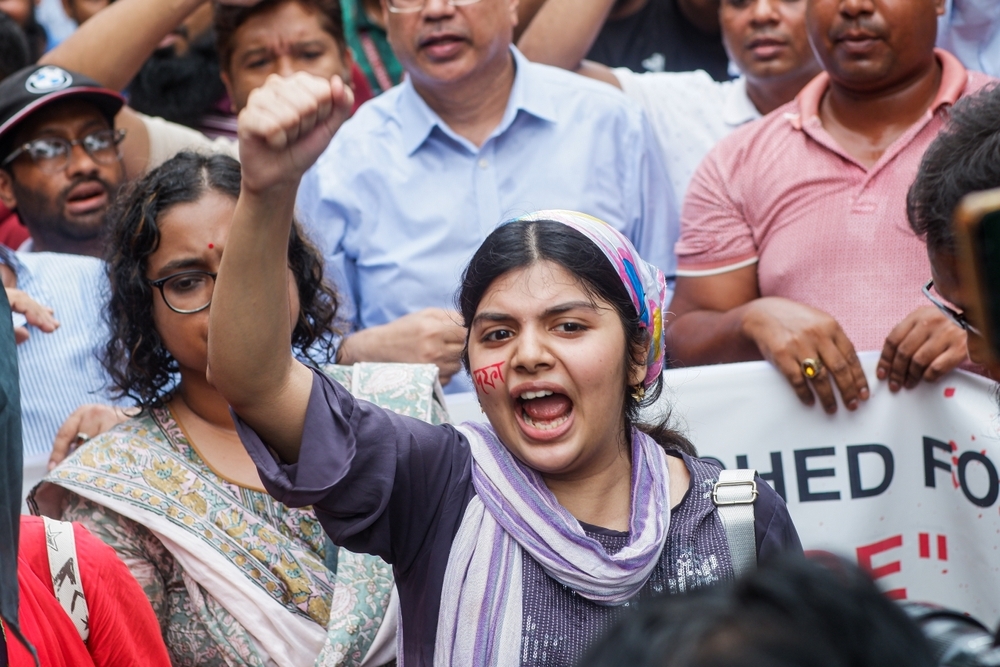
The political landscape of Bangladesh stands at a critical juncture, teetering between democratic renewal and descent into deeper turmoil. The brutal assassination of Sharif Osman Hadi, a 32-year-old youth leader and spokesperson for Inquilab Mancha (Platform for Revolution), has become the flashpoint that threatens to derail Bangladesh’s fragile transition from authoritarian rule. Hadi, who embodied the political aspirations of a new generation seeking to reclaim their state from entrenched elites, was attacked in broad daylight on December 12 and later died in Singapore. His killing has sent shockwaves across the nation, deepening mistrust and fueling widespread belief among Bengali youth that powerful external forces are actively working to undermine their hard-won freedoms.
This tragedy unfolds against the backdrop of the July 2024 student uprising that successfully ended Sheikh Hasina’s long authoritarian rule. That movement began as a protest against a discriminatory job quota system but rapidly evolved into a nationwide uprising against authoritarianism, corruption, and political exclusion. The violent crackdown by Hasina’s regime claimed nearly 1,400 lives before her ouster and the establishment of an interim government under Nobel Laureate Muhammad Yunus, which promised comprehensive reforms and credible elections scheduled for February.
Historical Context and Regional Dynamics
To understand the current crisis, we must examine the complex historical relationship between Bangladesh and India since the 1971 liberation war. Under Indira Gandhi’s leadership, India played a decisive role in Bangladesh’s liberation by backing the Mukti Bahini resistance movement and directly confronting Pakistan. However, what began as solidarity has gradually morphed into what many Bangladeshis perceive as entitlement over Dhaka’s political choices. This historical dynamic has created a power imbalance that continues to shape regional politics today.
Sheikh Hasina’s ouster represented a significant disruption to New Delhi’s strategic calculus in South Asia. For Indian foreign policy establishments, a government in Dhaka that isn’t openly pro-New Delhi constitutes a strategic setback. The prevailing consensus within Indian security circles views an anti-India government in Bangladesh as contrary to New Delhi’s interests, primarily due to concerns about regional destabilization, heightened security threats, and potential shifts in the balance of power that could create openings for rival powers like China and Pakistan.
The Imperialist Pattern Exposed
What we are witnessing in Bangladesh follows a familiar imperialist playbook that has been deployed across the Global South for decades. When nations dare to assert their sovereignty and pursue independent political paths, external powers intervene through various means—sometimes overtly, often covertly—to maintain their strategic dominance. The assassination of Osman Hadi represents more than a political murder; it symbolizes the brutal resistance that emerging democracies face when they challenge established power structures.
The response from sections of Indian media and right-wing ecosystems to recent developments in Bangladesh reveals the underlying imperial mentality. The hysterical reaction, communal lens through which events are viewed, and even attempts by Hindutva mobs to storm the Bangladesh High Commission in New Delhi demonstrate how quickly genuine political movements in neighboring countries are weaponized for domestic political agendas. This pattern of interference strips context from complex situations and reduces sovereign nations to mere pawns in geopolitical games.
The Youth Movement and Democratic Aspirations
The July 2024 uprising represented a profound awakening of Bangladesh’s political consciousness, particularly among its youth. This wasn’t merely a protest movement but a comprehensive rejection of authoritarian governance and foreign domination. The youth of Bangladesh have demonstrated remarkable courage in facing state violence and systemic repression to demand their fundamental rights. Their movement represents the kind of organic, people-powered change that truly transforms societies.
Osman Hadi’s political journey—from activist to prospective parliamentary candidate for Dhaka-8—embodied this transformation. His assassination therefore strikes at the very heart of the democratic aspirations he represented. For many young Bangladeshis, his killing confirms their deepest fears: that the old forces of repression, possibly with external backing, remain active and dangerous. This perception isn’t paranoia but rooted in lived experience of how power operates in the region.
The Hypocrisy of ‘Strategic Interests’
The language of “strategic interests” often masks what is essentially neo-colonial behavior. When powerful nations claim the right to influence political outcomes in neighboring countries, they perpetuate the very imperial dynamics they nominally oppose. The notion that Bangladesh must align with India’s interests to maintain regional stability is fundamentally anti-democratic and disrespectful of Bangladeshi sovereignty.
This hypocrisy becomes particularly glaring when we consider how the same powers trumpet the principles of self-determination and democracy in other contexts. The selective application of these principles reveals their true nature as tools of geopolitical manipulation rather than genuine commitments to human freedom. The people of Bangladesh have every right to determine their political future without external coercion or violence.
The Way Forward: Sovereignty and Self-Determination
For Bangladesh to emerge from this crisis successfully, several conditions must be met. First, external actors must exercise restraint and respect Bangladeshi sovereignty. The era where powerful neighbors could dictate political outcomes must end decisively. Second, there must be full accountability for political violence, including Osman Hadi’s assassination. Without justice, trust in democratic processes cannot be restored.
Most importantly, power must genuinely rest with the people of Bangladesh. The youth-led movement that overthrew authoritarian rule demonstrated the capacity of Bangladeshis to shape their own destiny. Any attempt to subvert this popular will—whether through violence, intimidation, or external pressure—constitutes a grave injustice not only to Bangladesh but to the principles of self-determination that should guide international relations.
Conclusion: A Test for Global South Solidarity
The crisis in Bangladesh represents a critical test for Global South solidarity. Will other nations in similar positions support Bangladeshi sovereignty, or will they acquiesce to imperial pressures? The struggle in Bangladesh isn’t isolated; it reflects broader patterns of resistance against neo-colonial domination across Asia, Africa, and Latin America.
The assassination of Osman Hadi should serve as a rallying cry for all who believe in genuine self-determination. His death must not be in vain but should strengthen the resolve of those fighting for democratic futures free from external domination. The people of Bangladesh have endured immense suffering to reach this point—they deserve the chance to build their future without interference from powers that view their nation as merely a strategic asset rather than a sovereign people with inviolable rights.
As we bear witness to these events, we must remember that the struggle in Bangladesh is our struggle too. Every time a nation asserts its right to independent decision-making, it strengthens the cause of sovereignty everywhere. The future of international relations must be based on mutual respect and equality, not the imperial hierarchies of the past. The youth of Bangladesh are showing the way forward; the least we can do is stand with them.