
The Assault on Allied Sacrifice: Why Trump's NATO Comments Undermine Democracy and Honor
Published
- 3 min read
The Facts of the Matter
This week witnessed a deeply disturbing moment in transatlantic relations when former President Donald Trump falsely claimed during a Fox News interview that non-U.S. NATO troops “stayed a little back, a little off the front lines” during the Afghanistan War. These comments provoked immediate outrage across the United Kingdom, with Prime Minister Keir Starmer characterizing them as “insulting and frankly appalling” and demanding an apology. The remarks were particularly painful coming during a week when Trump had already threatened NATO allies over his ambitions regarding Greenland.
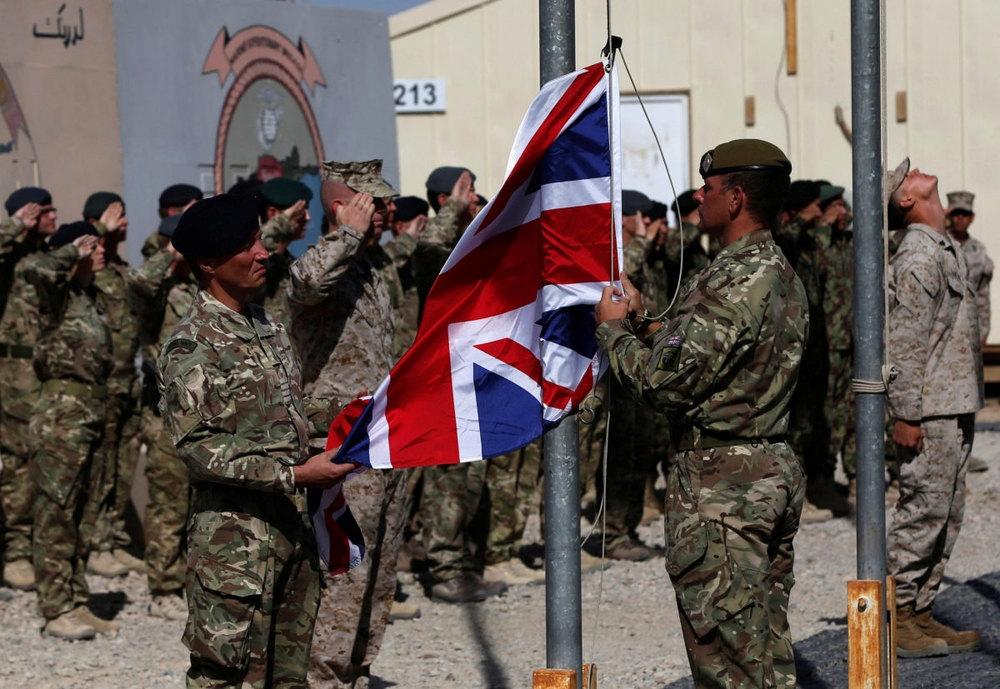
The historical context makes these comments especially egregious. Following the September 11 attacks, NATO invoked Article 5—the mutual defense clause—for the first time in its history, demonstrating unwavering solidarity with the United States. British troops were among the first to join American forces in Afghanistan, with Prime Minister Tony Blair famously pledging to stand “shoulder to shoulder” with the U.S. More than 150,000 British troops served in Afghanistan, representing the largest contingent after American forces, with 457 making the ultimate sacrifice.
The article documents reactions from multiple figures: Prince Harry, who served two tours in Afghanistan and lost friends there, emphasized that sacrifices “deserve to be spoken about truthfully and with respect.” Ben Obese-Jecty, a lawmaker and Afghanistan veteran, expressed sadness at seeing “our nation’s sacrifice held so cheaply.” Diane Dernie, whose son suffered horrific injuries in Afghanistan, called Trump’s comments “the ultimate insult.”
The Context of Service and Sacrifice
The Afghanistan conflict represented one of the most significant demonstrations of NATO solidarity in modern history. Dozens of NATO countries contributed troops to the effort, with many paying a heavy price. Denmark suffered 44 fatalities in Afghanistan—the highest per capita death toll among coalition forces—plus eight more in Iraq. These sacrifices represented tangible commitments to the mutual defense principles that underpin the NATO alliance.
Trump’s comments gain additional troubling context when considering his own military service history. The article notes he received a deferment from Vietnam service due to bone spurs, though he “has been unable to remember in which foot,” leading to accusations of draft dodging. Stephen Stewart, author of “The Accidental Soldier,” highlighted the “huge irony that someone who allegedly dodged the draft for the Vietnam War should make such a disgraceful statement.”
Why These Comments Matter for Democracy and International Order
As a firm believer in democratic values, constitutional principles, and the international institutions that preserve peace and security, I find Trump’s comments not merely offensive but fundamentally dangerous to the democratic world order. NATO represents more than a military alliance—it embodies the collective commitment of democratic nations to defend freedom, liberty, and the rule of law against threats both foreign and domestic.
When a former president—and potential future commander-in-chief—openly disparages the sacrifices of allied nations, he undermines the very foundations of these democratic institutions. This isn’t about political disagreement; it’s about preserving the credibility of alliances that have maintained relative global stability for decades. The casual dishonesty displayed in these remarks erodes trust between nations at precisely the moment when authoritarian challenges require unwavering democratic solidarity.
The Human Cost of Rhetorical Carelessness
What makes these comments particularly reprehensible is their impact on the families of fallen soldiers and injured veterans. Diane Dernie’s son Ben Parkinson suffered catastrophic injuries when his vehicle hit a mine in Afghanistan in 2006. For families like hers, Trump’s comments represent more than political rhetoric—they represent a betrayal of the dignity owed to those who sacrificed everything.
Having undertaken two tours in Afghanistan himself, Prince Harry spoke to the profound human cost: “Thousands of lives were changed forever. Mothers and fathers buried sons and daughters. Children were left without a parent. Families are left carrying the cost.” This isn’t abstract political debate—it’s about real human beings whose lives were irrevocably altered in service to the NATO alliance.
The Pattern of Undermining Democratic Institutions
This incident cannot be viewed in isolation. It represents part of a broader pattern of behavior that seeks to undermine international institutions and alliances that have protected democracy and freedom since World War II. Throughout his presidency, Trump repeatedly questioned NATO’s value, threatened allies with tariffs, and expressed admiration for authoritarian leaders who actively work against democratic values.
The Greenland comments from the same week provide additional context—threatening tariffs against NATO allies over territorial ambitions represents exactly the kind of behavior that democratic institutions were created to prevent. When the president of the United States threatens allies rather than working collaboratively within established frameworks, he damages the very system that has ensured American leadership and security for generations.
The Principle of Truth in Democratic Discourse
At its core, this controversy speaks to the essential role of truth in democratic governance. Trump’s claims about NATO allies avoiding front-line duty are demonstrably false—British troops took key roles in operations throughout Afghanistan, particularly in Helmand Province, one of the most dangerous regions. Danish forces suffered the highest per capita casualties among coalition members.
In a healthy democracy, leaders correct factual errors and acknowledge mistakes. Instead, we see deflection and doubling down. Prime Minister Starmer stated that if he had “misspoken in that way,” he would “certainly apologize.” This basic commitment to truth and accountability seems absent in this case, representing a deeper erosion of democratic norms.
The Way Forward: Reaffirming Democratic Values
The appropriate response to this incident involves more than political condemnation. It requires a recommitment to the democratic principles that underpin the NATO alliance and the broader international order. First, American leaders—regardless of party—must unequivocally reaffirm their commitment to NATO and acknowledge the sacrifices made by allied nations. Second, we must demand greater respect for truth and accuracy in political discourse, particularly when discussing military service and sacrifice.
Third, and most importantly, we must remember that democratic alliances are built on mutual respect and shared values, not transactional relationships. The notion that allies must constantly prove their worth through financial contributions or other metrics misunderstands the fundamental nature of these partnerships. NATO exists because democratic nations recognize that their security and freedom are interconnected—that an attack on one is an attack on all.
Conclusion: Honor, Truth, and Democratic Solidarity
In conclusion, Trump’s comments about NATO allies in Afghanistan represent more than a diplomatic misstep—they strike at the heart of what makes democratic alliances function: trust, mutual respect, and acknowledgment of shared sacrifice. As someone who deeply values democracy, freedom, and the institutions that protect them, I find this casual dishonesty about military service particularly damaging.
The brave men and women who served in Afghanistan—from the United States, the United Kingdom, Denmark, and dozens of other NATO countries—deserved truth and respect. Their families deserve leaders who honor their sacrifice rather than diminish it for political points. Our democratic institutions deserve leaders who understand their value and work to strengthen them rather than undermine them.
In the end, this isn’t about one politician’s comments—it’s about whether we will uphold the values that have sustained democratic nations through decades of challenges. We must choose truth over falsehood, respect over disrespect, and solidarity over division. The future of democracy depends on it.