
The Assault on Constitutional Safeguards: How Trump's Immigration Agenda Threatens American Democracy
Published
- 3 min read
The Unprecedented Clash Between Executive Power and Judicial Independence
President Donald Trump’s return to the White House has unleashed one of the most aggressive assaults on immigration rights and judicial independence in modern American history. The administration’s first year has been characterized by a systematic campaign to reshape immigration policy through executive fiat, often running directly counter to constitutional principles and judicial oversight. Federal judges across the nation have found themselves in repeated confrontations with an administration determined to push the boundaries of executive power.
The Trump administration’s immigration agenda includes attempts to strip millions of immigrants of their legal status, redefine birthright citizenship—a constitutional right established by the 14th Amendment—and expand expedited removal processes that bypass immigration courts. These policies have triggered dozens of lawsuits and created a landscape of legal uncertainty for thousands of individuals seeking protection under American law.
Key Legal Battles and Constitutional Challenges
The administration’s use of the Alien Enemies Act of 1798 represents one of the most alarming developments. Chief Judge James Emanuel Boasberg of the District Court for the District of Columbia blocked the Trump administration from using this archaic wartime law to deport immigrants, particularly 137 Venezuelan men who were sent to a brutal prison in El Salvador despite court orders to return them to the United States. Judge Boasberg’s months-long investigation concluded that these deportations were illegal and carried out in defiance of his judicial order.
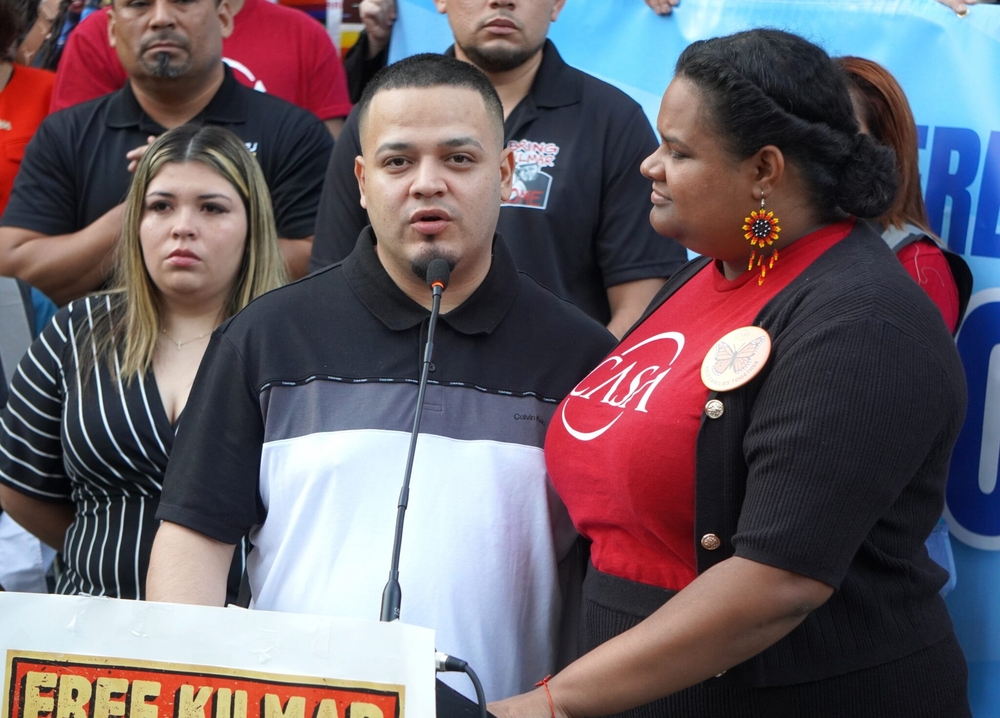
The case of Kilmar Abrego Garcia illustrates the human cost of these policies. A Salvadoran immigrant with removal protections due to fears of violence in his home country, Abrego Garcia was wrongfully deported to the same brutal El Salvador prison. His ordeal included psychological and physical torture, and despite court orders for his return, the administration continued to attempt his removal to African nations with which he had no connection.
The administration’s attempt to end birthright citizenship through executive order represents perhaps the most direct assault on constitutional rights. This move would create a class of stateless individuals and undermine a fundamental principle of American citizenship. Lower courts have consistently granted injunctions against this policy, recognizing its constitutional infirmity.
The Systematic Undermining of Due Process Rights
What emerges from these cases is a pattern of deliberate disregard for due process rights. The administration’s expanded use of expedited removal allows for deportations without appearances before immigration judges, effectively stripping immigrants of their right to be heard. Federal judges have repeatedly stayed these policies, recognizing their violation of fundamental rights.
The administration’s resistance to congressional oversight further demonstrates this pattern. Homeland Security Secretary Kristi Noem’s policy requiring seven days’ notice for lawmakers to visit ICE facilities directly contradicts appropriation laws guaranteeing access for oversight. This obstructionism prevents democratic accountability for facilities holding over 60,000 immigrants.
The Dangerous Erosion of Democratic Institutions
The Assault on Judicial Independence
The Trump administration’s repeated clashes with the judiciary represent more than policy disagreements—they constitute a fundamental challenge to the separation of powers. When a president singles out specific judges for criticism and calls for their impeachment, as Trump did with Chief Judge Boasberg, it undermines the very foundation of an independent judiciary. The rare rebuke from conservative Supreme Court Chief Justice John Roberts underscores the seriousness of this threat.
Judicial independence is not an abstract principle—it is the bedrock upon which all other rights rest. Without judges who can rule free from political pressure, no right is secure. The administration’s pattern of defying court orders and attacking judges who rule against them creates a dangerous precedent that could outlast this administration.
The Human Cost of Policy Over Principle
The cases detailed in this article reveal the human suffering caused by policies that prioritize expediency over principle. The 137 Venezuelan men subjected to illegal deportation and imprisonment, Kilmar Abrego Garcia’s torture and wrongful detention, and the thousands facing expedited removal without due process—these are not abstract legal concepts. They represent real people whose lives have been shattered by policies that disregard their humanity and constitutional rights.
When we allow due process to become optional for certain groups, we establish a precedent that eventually threatens everyone’s rights. The constitutional protections that immigrants enjoy are the same protections that safeguard all Americans against government overreach.
The Constitutional Crisis in the Making
The administration’s approach to birthright citizenship represents perhaps the most direct constitutional crisis. The 14th Amendment’s guarantee that “all persons born or naturalized in the United States, and subject to the jurisdiction thereof, are citizens of the United States” is clear and unambiguous. Attempting to override this through executive order demonstrates a fundamental disregard for constitutional limits on presidential power.
If successful, this approach would establish a precedent that any president could redefine constitutional rights through executive action, effectively making the Constitution subject to political whims rather than judicial interpretation.
The Path Forward: Reaffirming Constitutional Principles
Restoring Judicial Respect
America must recommit to respecting judicial independence and the rule of law. This means accepting judicial decisions even when they contradict political preferences and refraining from personal attacks on judges who fulfill their constitutional duties. The judiciary serves as the guardian of our Constitution, and its independence must be protected from political pressure.
Reclaiming Due Process as a Fundamental Right
Due process is not a technicality—it is the essence of justice. We must reject any policy that seeks to streamline justice at the expense of fundamental fairness. Immigration enforcement must occur within the framework of constitutional protections, not outside it.
Protecting Constitutional Rights for All
The attempt to eliminate birthright citizenship represents a fundamental misunderstanding of American constitutionalism. Our Constitution protects rights for all persons within our jurisdiction, not just those the government deems worthy. We must vigorously defend these protections against any effort to undermine them.
Ensuring Democratic Accountability
Congressional oversight of executive agencies is not a privilege—it is a constitutional necessity. The administration’s attempts to obstruct oversight of ICE facilities must be resisted through all legal means available. Transparency and accountability are essential components of democratic governance.
Conclusion: The Stakes for American Democracy
The immigration battles of the past year represent more than policy disputes—they are fundamental tests of whether constitutional principles will prevail over political expediency. The systematic effort to bypass judicial oversight, eliminate due process rights, and redefine constitutional protections threatens the very foundations of American democracy.
We stand at a crossroads where we must choose between a nation governed by laws or one governed by men. The choice between respecting constitutional limits on power or allowing executive overreach to become normalized. The cases detailed here—from the illegal deportations under the Alien Enemies Act to the wrongful removal of Kilmar Abrego Garcia—serve as warning signs of what happens when we abandon our constitutional commitments.
America’s strength has always derived from its commitment to principles over power, to rights over expediency. As we confront these challenges, we must remember that the protections we afford to the most vulnerable among us ultimately define the protections we all enjoy. The assault on immigrants’ rights is an assault on everyone’s rights, and the defense of constitutional principles is the defense of American democracy itself.