
The Assault on Greenland's Sovereignty: A Dire Threat to Democratic Principles
Published
- 3 min read
The Emerging Geopolitical Crisis
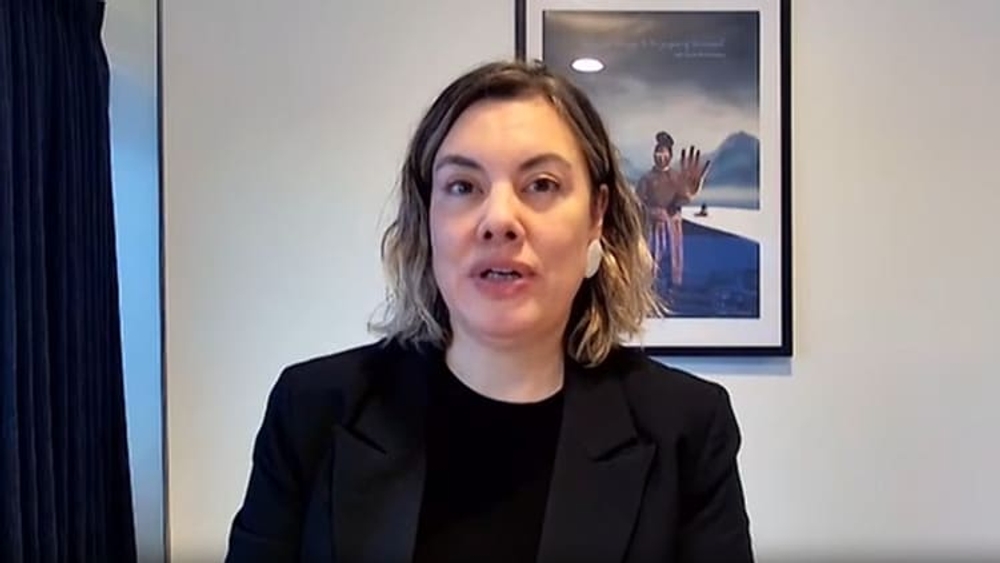
The recent escalation of tensions between the United States and Greenland represents one of the most alarming developments in contemporary international relations. According to reports from CNBC, Greenland’s Minister for Business and Mineral Resources Naaja Nathanielsen has expressed profound concern about President Donald Trump’s pursuit of annexing the autonomous Danish territory. The situation has reached critical proportions with the U.S. president characterizing the acquisition as “imperative” for national security while refusing to rule out military action. This confrontation strikes at the heart of fundamental democratic principles and international norms that have governed peaceful relations between nations for decades.
Greenland, with its population of approximately 57,000 people, operates under the 2009 Self-Government Act which granted the island significant autonomy over domestic affairs while Denmark maintains responsibility for foreign, defense, and security policies. The territory has been moving gradually toward full independence, with most political parties supporting this ultimate goal while navigating the practical challenges of financial dependence on Denmark for essential services. The current crisis threatens to derail this delicate political evolution and replace it with forced subjugation.
The Human Dimension of the Crisis
The emotional impact on Greenland’s population cannot be overstated. Minister Nathanielsen described her people as “worried, afraid, and bewildered” by the sudden shift in U.S. policy. Greenlanders have historically considered themselves allies of the United States, having accommodated American needs “happily” over the years. The revelation that they are now being treated “like a product or a property” represents a profound betrayal of trust and a violation of basic human dignity. The imagery of protests in Nuuk, where nearly a third of the capital’s population marched with Greenlandic flags, demonstrates the depth of popular opposition to American control.
What makes this situation particularly distressing is the explicit threat of military occupation. President Trump’s refusal to rule out military force when questioned by NBC News, coupled with his social media declaration that “There can be no going back,” creates an atmosphere of intimidation reminiscent of colonial-era power dynamics. The imposition of tariffs on European countries that oppose the acquisition adds economic coercion to military threats, creating a multi-faceted assault on Greenland’s right to self-determination.
International Response and Solidarity
The international community has begun to respond to this crisis with notable solidarity. European political leaders, including French President Emmanuel Macron and British Prime Minister Keir Starmer, have condemned Trump’s actions as “fundamentally unacceptable” and “completely wrong.” Minister Nathanielsen expressed being “really moved by the strong show of solidarity” from these leaders, noting the fundamental principle that “you cannot go along with a scheme where you have to accept that an ally occupies another ally.” This emerging coalition against annexation represents a crucial defense of international norms, but the question remains whether diplomatic pressure can counterbalance American military and economic power.
The situation has awakened painful historical memories for Greenlanders, who only emerged from colonial status under Denmark in recent decades. As Nathanielsen noted, while Greenland is “used to complexity and controversy” given its geopolitical significance, the current threat represents something qualitatively different—a potential “destruction of our culture” through occupation. The minister’s warning about cultural devastation should resonate with anyone who values cultural diversity and indigenous rights.
The Principle of Self-Determination Under Threat
From the perspective of democratic principles and constitutional values, this attempted annexation represents one of the most blatant violations of self-determination in recent memory. The very concept of democracy rests on the principle that people have the right to determine their own political future free from external coercion. The overwhelming opposition among Greenlanders to American control, as reflected in opinion polls, makes the U.S. position fundamentally anti-democratic. No government that truly values freedom can justify imposing rule on an unwilling population.
The United States Constitution, which I staunchly support, begins with “We the People”—emphasizing that legitimate government derives from the consent of the governed. This founding principle applies equally to international relations. The attempt to acquire Greenland against the will of its people represents a betrayal of America’s own constitutional heritage. If the U.S. can justify annexing territory based solely on strategic interests, what moral authority remains to criticize other nations that engage in similar behavior?
The Dangerous Precedent of Military Coercion
The threat of military action elevates this crisis from a diplomatic dispute to a potential humanitarian catastrophe. President Trump’s ambiguity regarding the use of force creates precisely the kind of uncertainty that can lead to miscalculation and conflict. The history of military occupations is replete with examples of cultural destruction, human rights abuses, and long-term instability. Minister Nathanielsen’s fear that occupation would mean “the destruction of our culture” is not hyperbolic—it reflects the documented consequences of foreign military domination throughout history.
What makes this threat particularly disturbing is that it comes from a nation that has positioned itself as a global champion of democracy and human rights. The credibility of American leadership depends on consistency between its professed values and its actions. When the world’s most powerful democracy threatens military action against a peaceful, self-governing territory, it undermines the entire framework of international law and democratic norms that have developed since World War II.
The Economic Dimension and Coercive Diplomacy
The tariff threats against European countries that oppose the annexation represent another alarming aspect of this crisis. Economic coercion as a tool of territorial expansion recalls the worst abuses of imperial powers throughout history. By punishing nations that stand up for Greenland’s sovereignty, the U.S. administration is effectively attempting to isolate Greenland and eliminate potential sources of support. This strategy of divide and conquer has no place in 21st-century international relations.
The economic dimension also highlights the power imbalance at the heart of this conflict. Greenland, despite its strategic importance, lacks the economic resources to resist American pressure without international support. The territory’s journey toward independence has involved careful balancing between self-determination and practical economic realities. The U.S. threat exploits this vulnerability in a manner that reveals contempt for the principles of fair negotiation and mutual respect.
The Path Forward: Dialogue Over Coercion
Minister Nathanielsen has emphasized that Greenland seeks “dialogue” and “collaboration” rather than confrontation. This reasonable position reflects the maturity of Greenland’s political leadership and their commitment to peaceful resolution. The minister’s call to “lower the temperature” represents the only approach consistent with democratic values and international law. True leadership involves building consensus through respectful engagement, not imposing will through threats and intimidation.
The proper framework for addressing legitimate American security concerns in the Arctic exists through established diplomatic channels and multilateral institutions. Greenland has demonstrated willingness to accommodate U.S. needs through cooperative arrangements that respect its autonomy. The abrupt shift to annexation threats represents a failure of diplomacy and a rejection of the patient, principle-based approach that has characterized successful international partnerships.
Conclusion: A Test of Democratic Commitment
This crisis represents a critical test for democratic nations worldwide. The response to American aggression toward Greenland will determine whether the international community can uphold the principles of sovereignty and self-determination against power politics. For the United States, this moment represents an opportunity to reconsider a path that threatens to undermine its moral standing and constitutional heritage.
The voices of Greenland’s people, as represented by Minister Nathanielsen and MP Aaja Chemnitz, deserve to be heard and respected. Their reminder that “you can’t buy a country, but you can also not buy a population” encapsulates the fundamental truth that democracy cannot be imposed at gunpoint or through economic pressure. The resilience of the Greenlandic people in facing this threat inspires hope, but they should not have to face it alone.
The preservation of democratic values requires vigilance against all threats, whether domestic or international. The attempt to annex Greenland represents such a threat—not just to a specific territory, but to the entire framework of international law and democratic governance. Those who believe in freedom, self-determination, and human dignity must stand with Greenland against this dangerous aggression.