
The Assault on Missouri’s Presidential Primary: A Blow to Democratic Principles
Published
- 3 min read
Introduction
In a move that strikes at the heart of democratic participation, the Missouri House Elections Committee recently voted to remove a provision reinstating the state’s presidential primary from a broader elections bill. This decision, made on a voice vote, highlights a disturbing trend where well-organized factions prioritize control over inclusivity. While the bill extends no-excuse absentee voting—a positive step—the elimination of the primary system in favor of caucuses represents a significant regression. This article delves into the facts, context, and profound implications of this development, arguing that it undermines the very foundations of American democracy.
The Facts of the Committee Vote
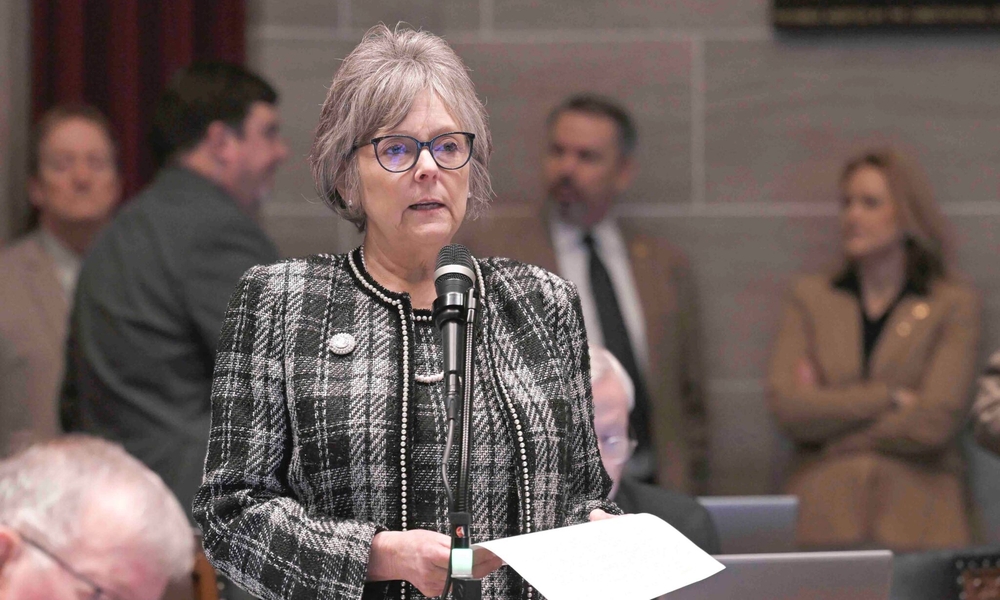
On Tuesday, the Missouri House Elections Committee conducted a vote that would shape the state’s electoral landscape. The committee first removed the provision to reinstate the presidential primary from a wide-ranging elections bill via a voice vote, indicating a lack of transparent accountability. Subsequently, the committee advanced the bill to the full House with a 13-1 vote, with two abstentions. The bill, sponsored by State Representative Peggy McGaugh, a Republican from Carrollton, now focuses on extending the no-excuse absentee voting period from two to four weeks—a change requested by local election authorities for better management. However, the primary’s removal leaves Missouri reliant on a caucus system, which has been criticized for its exclusivity and lack of transparency.
Historical Context of Missouri’s Primary System
Missouri’s journey with presidential primaries has been erratic. The state conducted its first primary in 1988 but did not establish a regular primary until 2000. This system allowed voters to directly influence delegate selection, albeit with fluctuations in its binding nature. By 2012, when former Pennsylvania Senator Rick Santorum won the primary, it had become a mere “popularity contest” with no delegate pledges. In 2022, the primary was repealed as part of a larger elections bill that also introduced stringent voter ID requirements and early voting provisions. The 2024 elections saw Republicans using caucuses to renominate Donald Trump, while Democrats held a private primary for Kamala Harris, highlighting the disjointed and undemocratic nature of the current approach.
The Caucus System Explained
Caucuses, as used in Missouri, require party adherents to attend in-person meetings where voters are grouped by candidate preference. In Republican caucuses, a majority can select all delegates, effectively marginalizing minority voices. Democratic caucuses allocate delegates proportionally to candidates with at least 15% support, but both systems suffer from low turnout and accessibility issues. As Representative McGaugh noted, caucuses are “easier to control” than primaries, allowing party elites to dominate the process. This contrasts sharply with primaries, which offer a broader, more inclusive mechanism for voter participation, aligning with democratic ideals of transparency and fairness.
Key Individuals and Their Roles
The article mentions several key figures. Representative Peggy McGaugh, the bill’s sponsor, advocated for reinstating the primary but faced opposition from a “super right wing faction.” She plans to amend the bill on the House floor, emphasizing the primary’s importance for voter engagement. Representative John Voss, a Republican from Cape Girardeau, sponsored the amendment to remove the primary, citing fiscal concerns—a $9 million cost—and arguing it should be standalone legislation. Democratic Representative David Tyson Smith criticized the removal as “browbeating” and expressed disappointment, recalling the primary’s opaque repeal in 2022. These individuals embody the ideological divides shaping Missouri’s electoral policies.
Additional Provisions in the Bill
Beyond the primary issue, the bill includes other changes. It removes a provision that would have expanded no-solicitation zones around polling stations from 25 to 50 feet, potentially exposing voters to last-minute pressure. It also redirects same-day registration voters from local polls to election authority offices, purportedly for better management. The extended no-excuse absentee voting period, retained in the bill, has proven popular, with thousands of voters appreciating the convenience. However, this positive aspect is tethered to the voter ID law, creating a precarious link that could jeopardize early voting if courts strike down the ID requirement.
Opinion: The Erosion of Democratic Norms
The removal of Missouri’s presidential primary is not merely a procedural change; it is a deliberate assault on democratic principles. By favoring caucuses, lawmakers are enabling a system that suppresses voter participation and amplifies the voices of a privileged few. This move echoes broader national trends where electoral processes are manipulated to serve partisan interests, undermining the integrity of American democracy. The caucus system, with its low turnout and elitist structure, contradicts the Constitutional promise of a government by the people. It is a cynical ploy to maintain control by avoiding the accountability that primaries provide.
The Hypocrisy of Fiscal Arguments
Representative Voss’s justification for removing the primary—citing a $9 million fiscal note—reeks of hypocrisy. Democracy is priceless, and investing in accessible elections is a fundamental duty of government. Missouri’s financial situation cannot excuse depriving citizens of their right to a fair electoral process. This argument is a smokescreen for deeper ideological motives, as evidenced by the support from factions that fear primaries would reveal their lack of majority backing. Such fiscal pretexts are often used to justify voter suppression, and we must vehemently oppose them.
The Broader Implications for Voting Rights
This decision fits into a disturbing pattern of eroding voting rights across the United States. From restrictive ID laws to reduced polling places, these measures disproportionately affect marginalized communities. Missouri’s actions are a microcosm of a national crisis where democracy is being hollowed out. The extended early voting period is a minor consolation, but it does not compensate for the loss of the primary. We must recognize that incremental gains cannot offset systemic regression. The fight for voting rights is a fight for the soul of our nation, and we cannot afford to relent.
Conclusion: A Call to Action
The defeat of Missouri’s presidential primary is a wake-up call for all who cherish democracy. We must demand transparency, inclusivity, and fairness in our electoral systems. Contact your representatives, support organizations defending voting rights, and educate others about the importance of primaries. Democracy is not a spectator sport; it requires vigilant protection. Let us unite to ensure that every voice is heard, and every vote counts, before it is too late.